
In 2026, WG3 members organised four Regional Workshops with the overarching aim of initiating dialogue between teachers and students to identify their wishes and needs, and where possible to begin co-creating new methods and tools for using landscape architecture archives and archival materials in education. This co-creation process will continue into 2027.
The Izmir workshop focused on the theme “Landscape Archive in the Education Process”, addressing the integration of urban memory and spatial data into landscape architecture research and education. Izmir’s rich, multi-layered ecological history provided a context for interdisciplinary study. Participants explored the dual perspectives of archive providers (institutions) and archive users (educators and researchers), and discussed the practical challenges of accessing archives, ethical–methodological approaches, and the experiences of local institutions.
Fieldwork was central to the event, with activities centred around three sites: The Ahmet Piriştina City Archive and Museum (APİKAM), the Olive Research Institute, and Kültürpark.
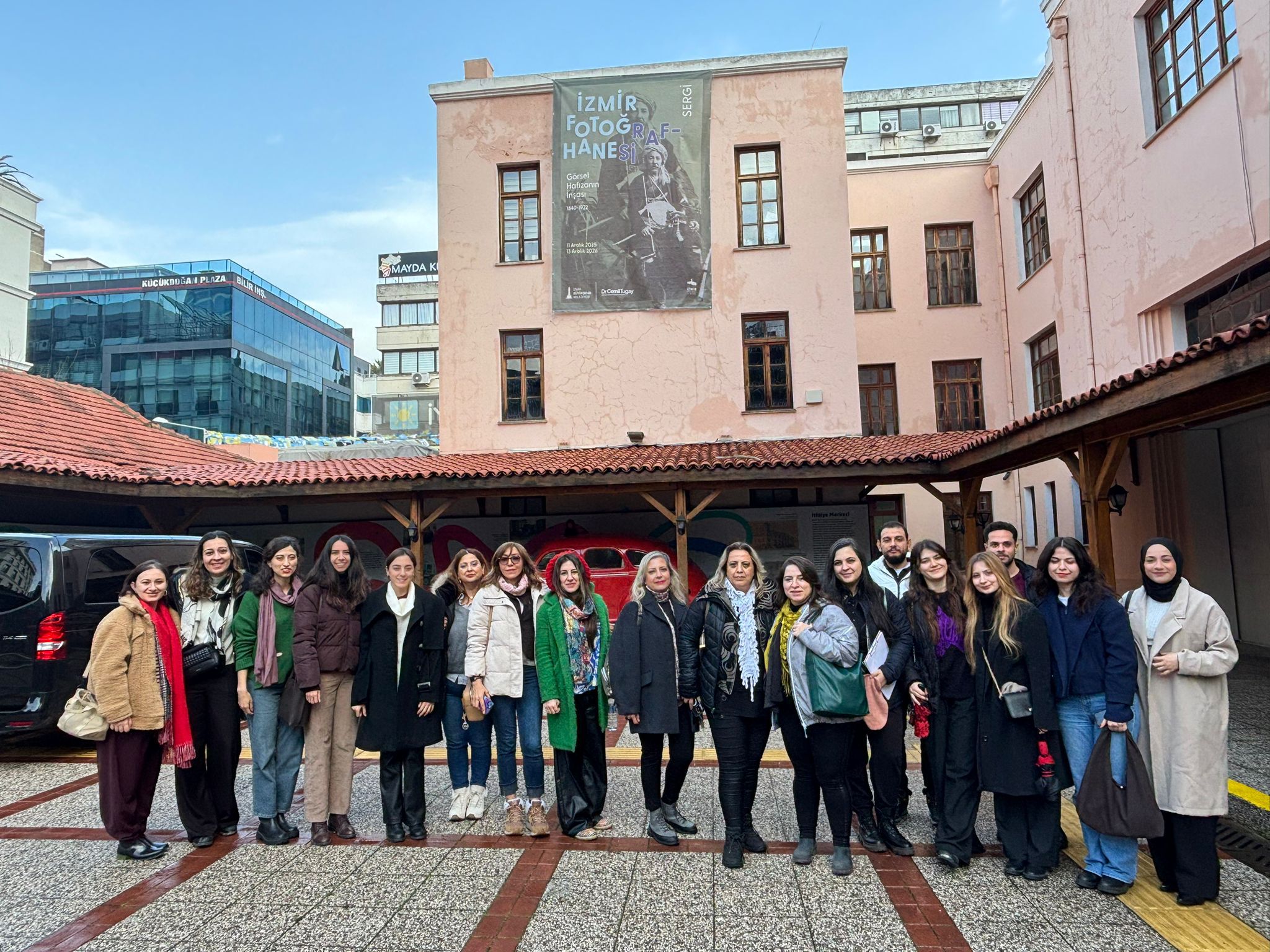
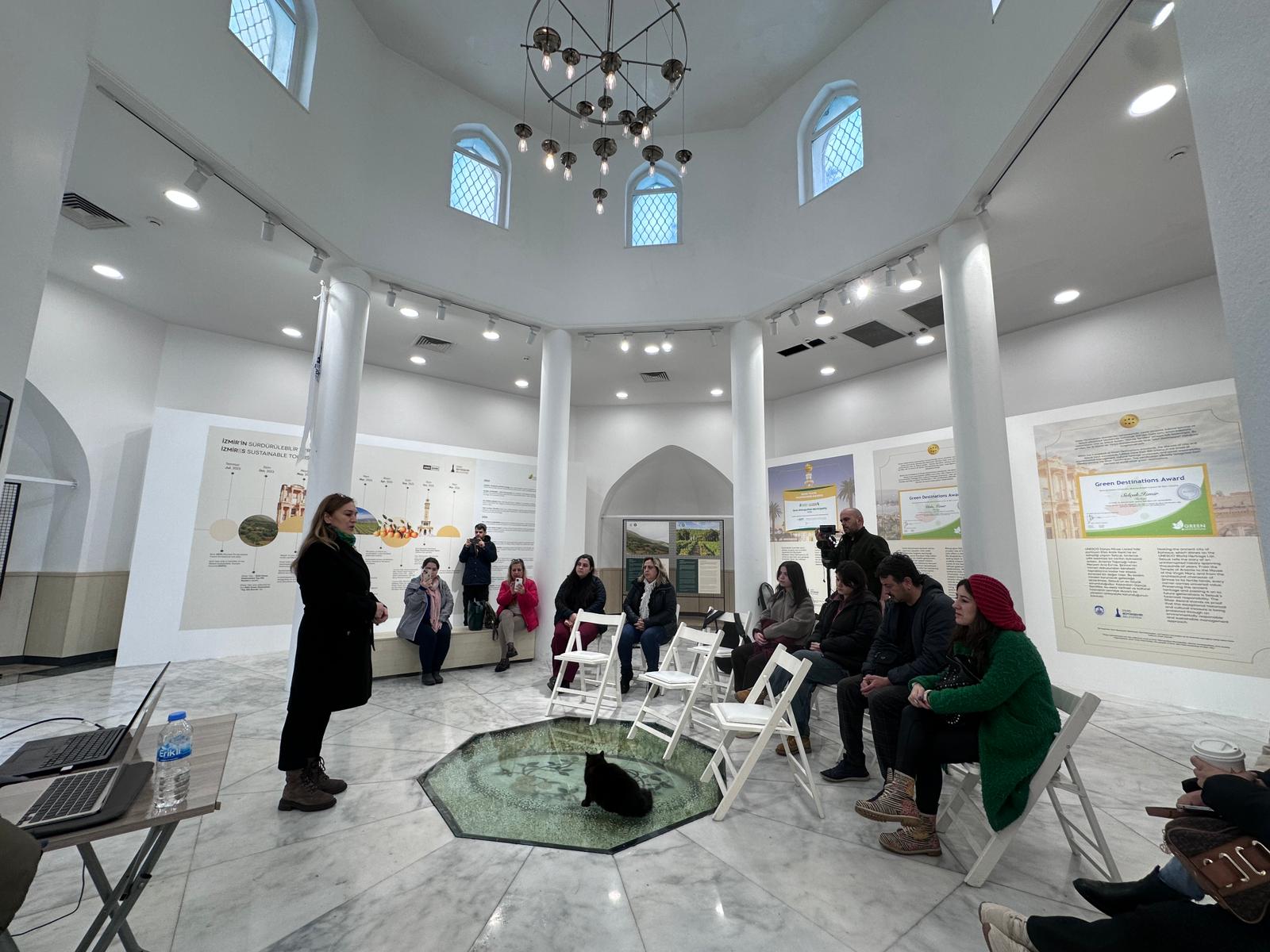
- At the Ahmet Piriştina City Archive and Museum (APİKAM) , the experience focuses on obtaining an understanding of urban memory and archiving practices, as well as observing how archives are used in practice. Participants had the opportunity to learn about the different types of studies conducted using archival materials and to explore who benefits from APİKAM and in what ways.
- The exhibition titled “İzmir Photo House – The Construction of Visual Memory, 1840–1922” exemplified APİKAM’s archival research activities. It aimed to construct an urban memory by showing how the city of İzmir has changed and transformed from the 1800s to the present through the photographs taken by various photographers.
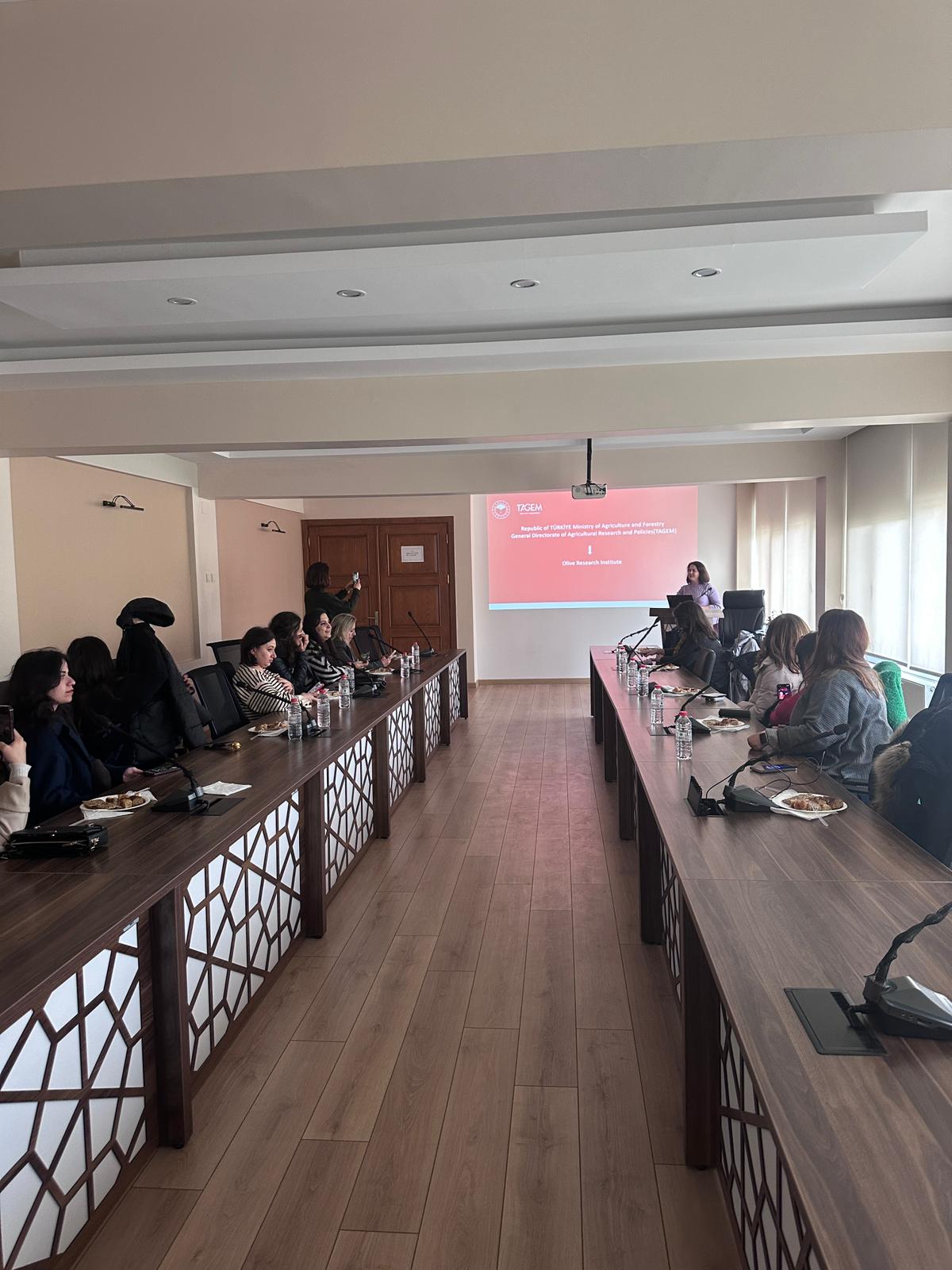
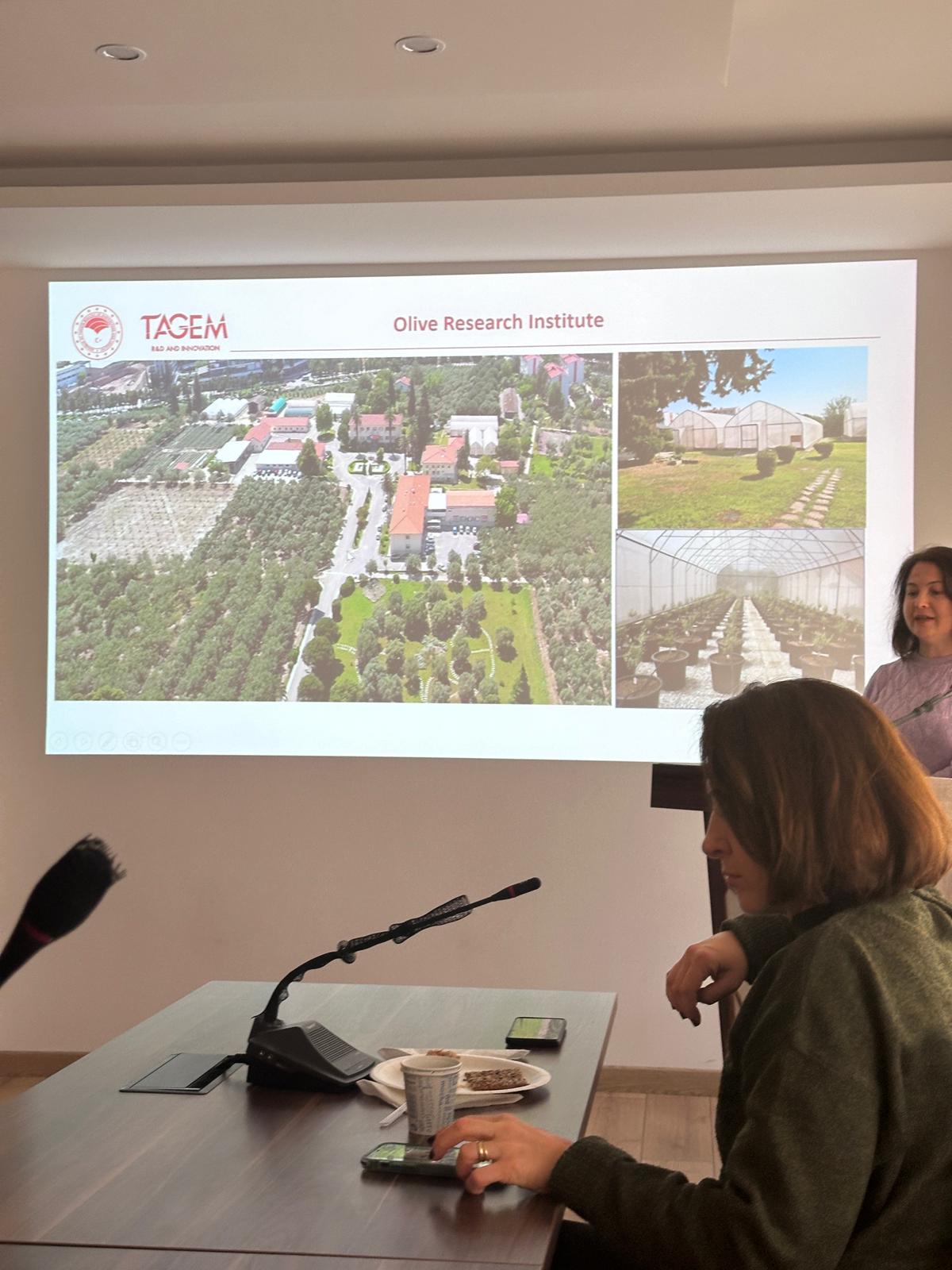
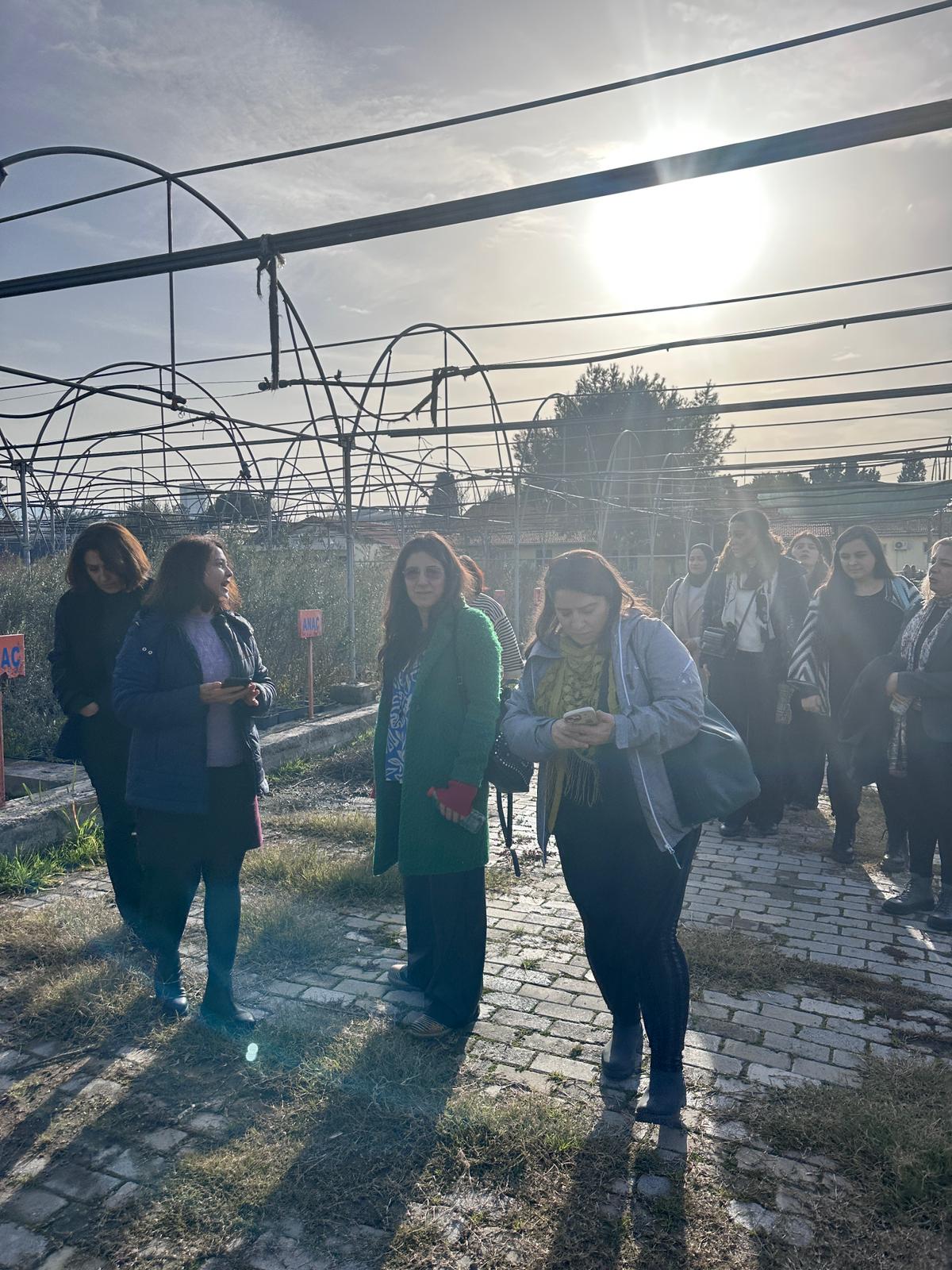
- The Olive Research Institute serves not only as a regional centre but also as Türkiye’s main hub for archives and research related to olive cultivation and varieties. Participants were introduced to studies covering a wide range of topics, including plant health, breeding, protection, cultivation techniques, food technology, agricultural economics, and soil and water resources, as well as local, regional, and national olive varieties and gene bank archives.
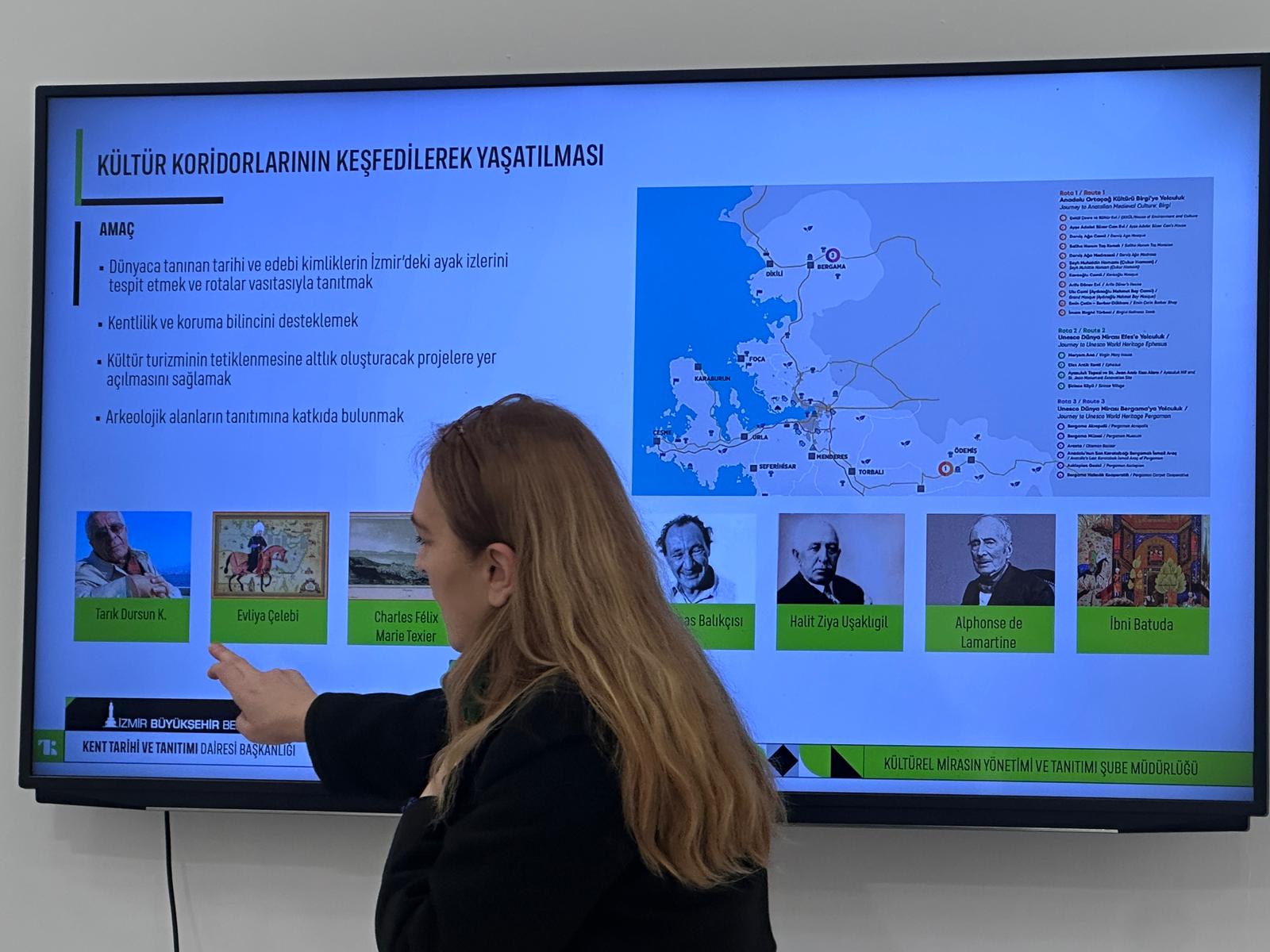
- At Kültürpark, considered the living memory of the city, participants engaged with the work of the Cultural Heritage Management and Promotion Division of the İzmir Metropolitan Municipality. This included initiatives such as the 21st Respect for History Local Conservation Awards and the exhibition KÖK, which focuses on the discovery and preservation of cultural corridors in the city of İzmir.
 Marga Suárez, head of the ETSAM Archive, © Hanna Sorsa-Sautet
 Katalin Takács