The Madrid Roadmap: Co-Designing Foundations for Landscape Architecture Archives

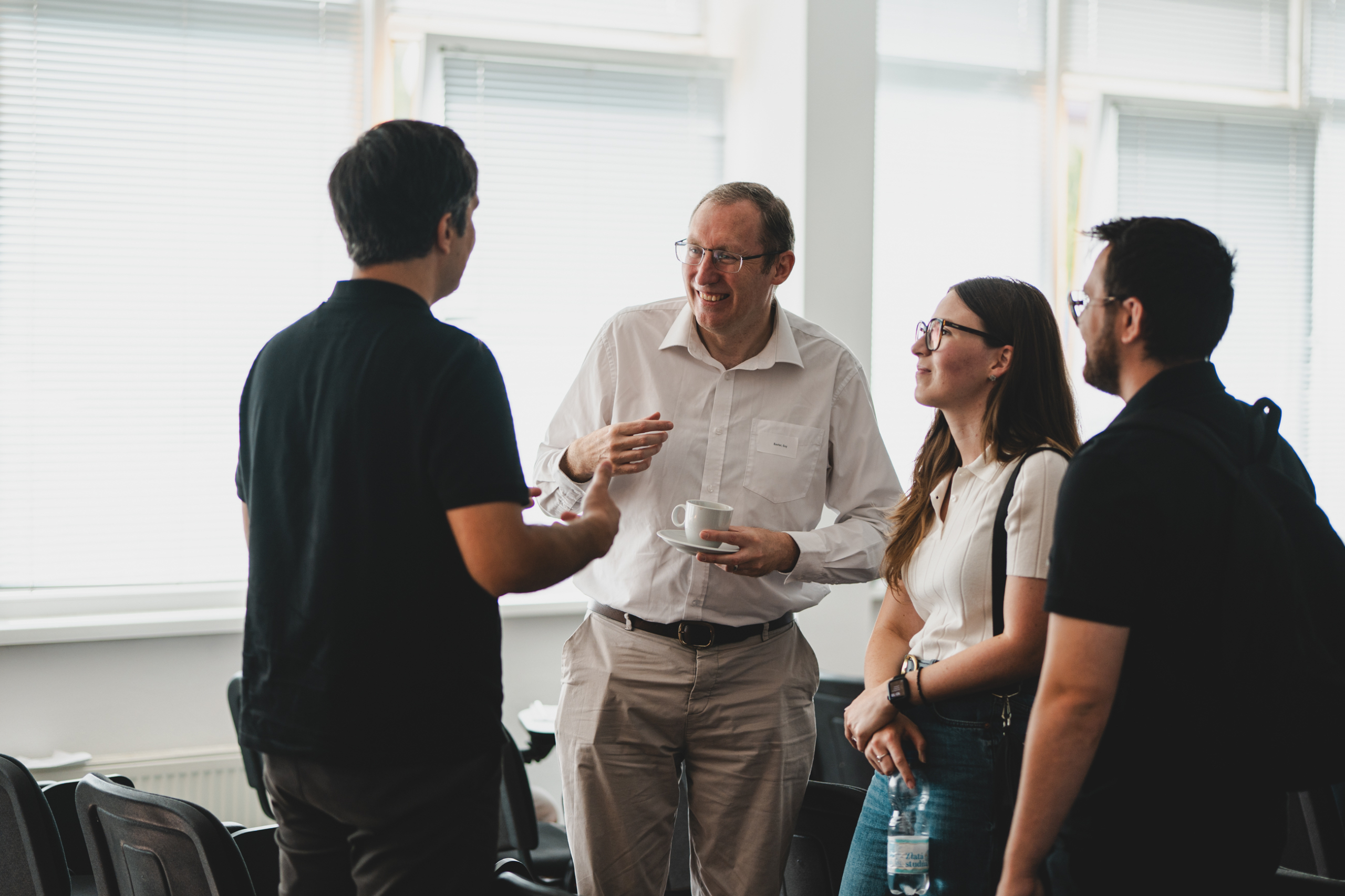
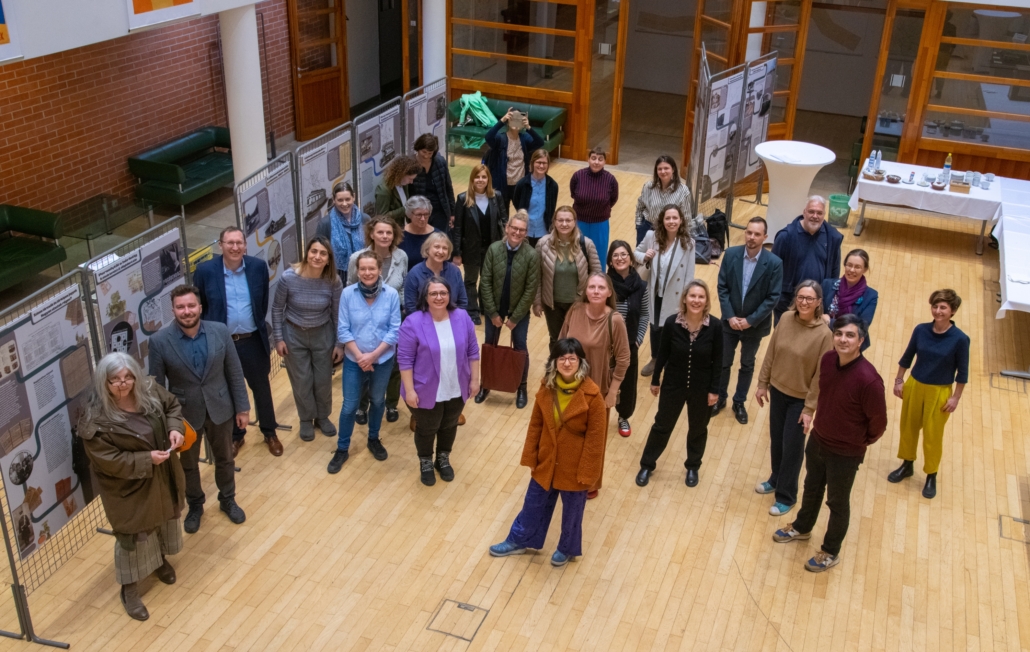
Over one and a half intensive days in Madrid, four members of WG1 met to co-design the foundations of the Madrid Roadmap, a practical guide for institutions at the earliest stages of archive development. The meeting centred on the creation of the new URJC Landscape Architecture Archive and supported the development of the Iberian Landscape Architecture Memory (ILAM) initiative, which seeks to connect Spanish and Portuguese efforts into a shared digital platform.

Programme

To structure the work, the programme was organised around four core domains that guided every meeting, visit, and workshop. This framework ensured both methodological coherence and practical relevance as it was tested against URJC’s real conditions:

  • What do we have? (collections, acquisition and scope)
  • How do we describe it? (standards, metadata and cataloguing)
  • How do we preserve and share it? (infrastructure, systems and longevity)
  • How do we partner and sustain it? (strategy, funding and networking)

A Breakthrough with the URJC Library

A decisive moment came during the meeting with URJC Library Director María Teresa García Ruiz and her team. A semi-structured interview, guided by the 4-Domain Model, confirmed both technical feasibility and a strong institutional commitment.

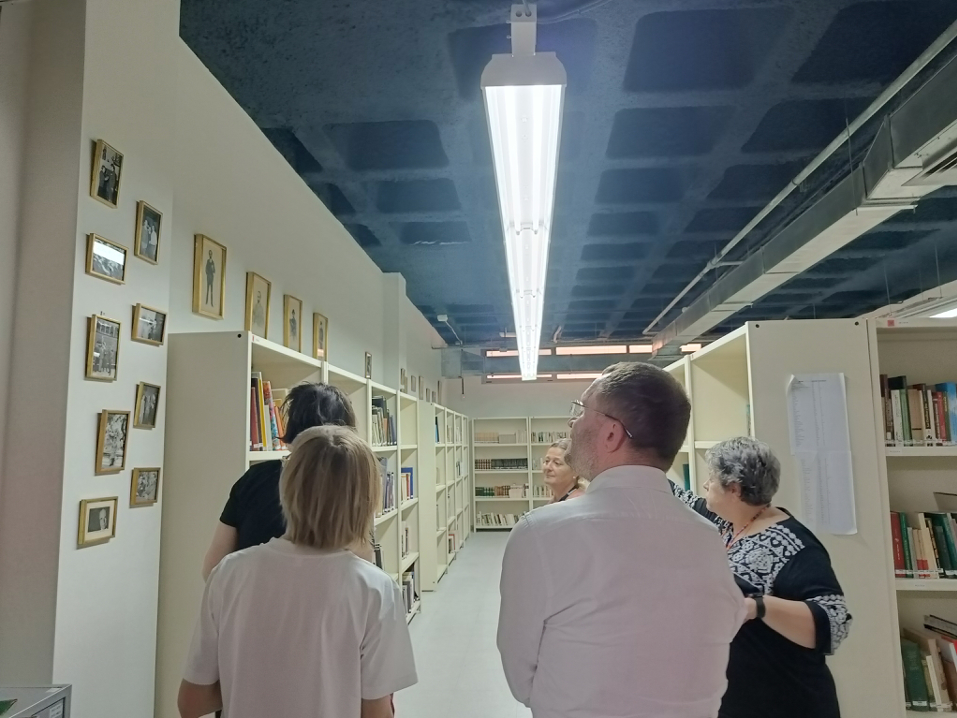
Crucially, the library offered an immediately available deposit space at the Fuenlabrada campus, securing a tangible home base for the future landscape architecture archive. Their systems (Dublin Core) are compatible with anticipated standards, and the team expressed readiness to adopt ISAD(G) and collaborate with ConnectLAA on controlled vocabularies and methodological development.

Visits, Workshop, and Professional Exchange

The second day focused on methodological exchange and hands-on co-design, hosted by the ETSAM School of Architecture and the Spanish Association of Landscape Architects (AEP).

ETSAM Archive Visit

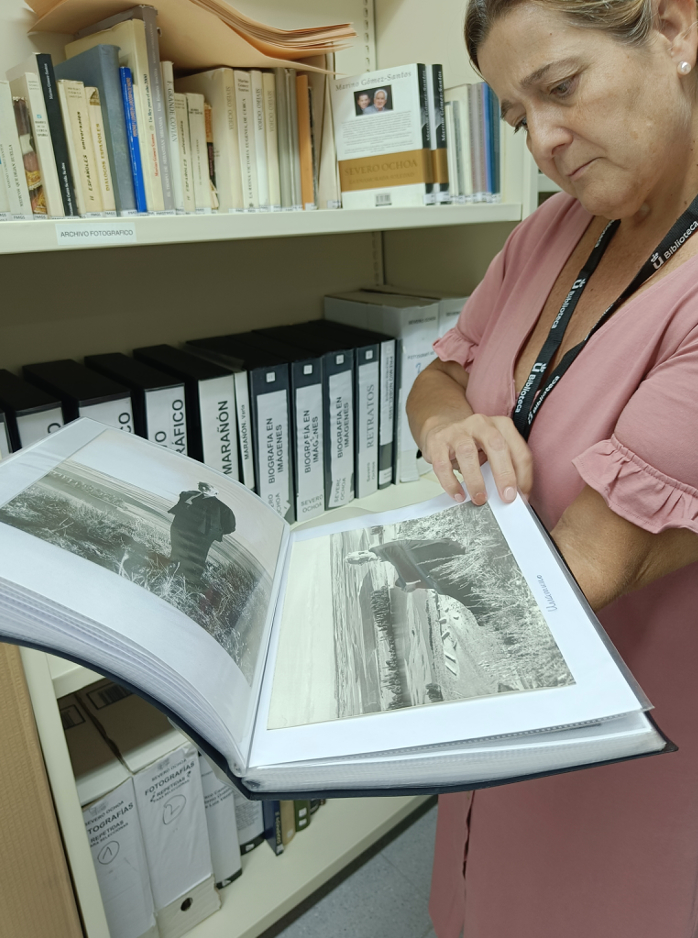
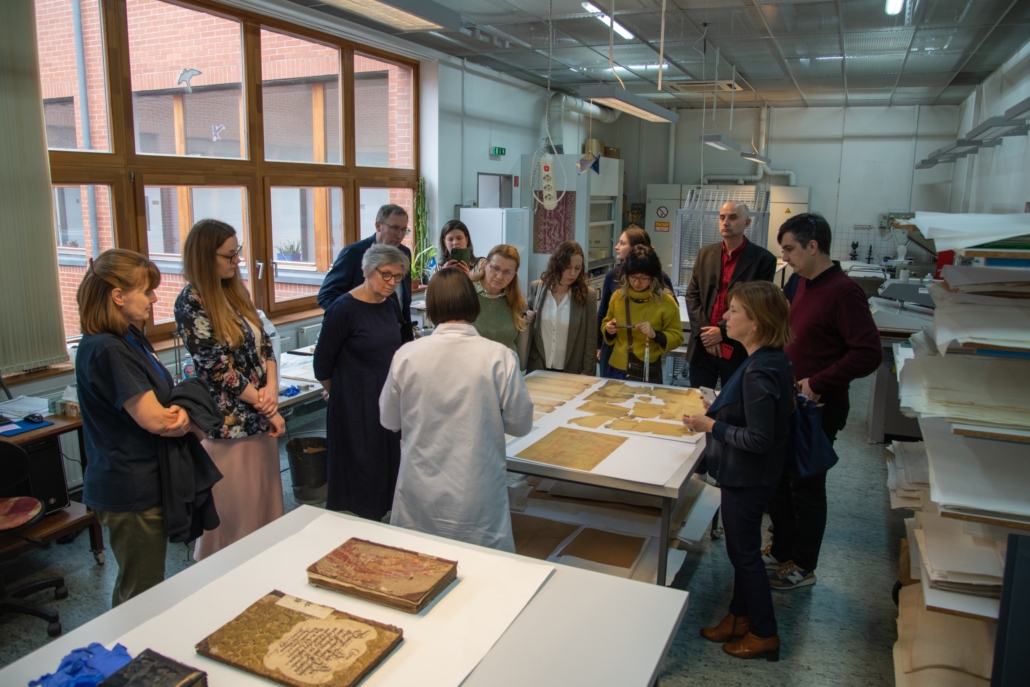
Marga Suárez, head of the Architecture Archive, presented ETSAM’s archival methodology, grounded in principles of provenance and original order. Their use of AtoM software and ICA standards offered a valuable reference model for future interoperability. A visit to the Fondo Silva Archive, the only landscape architect’s collection held, highlighted the diversity of document types involved.

Workshop

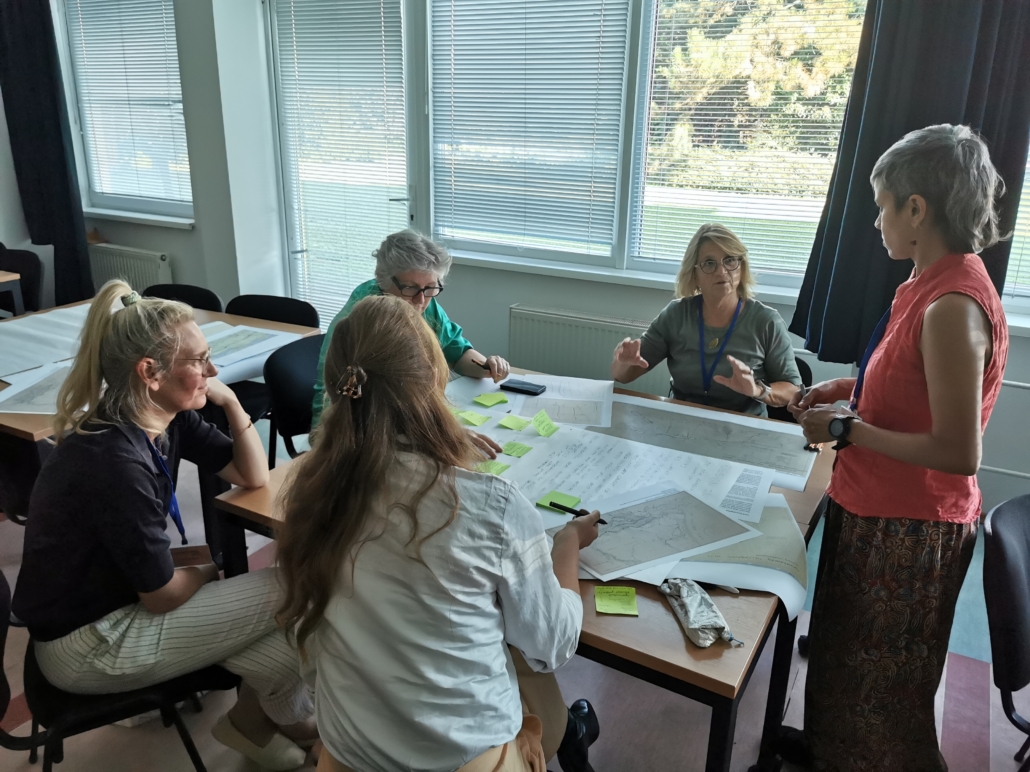
A workshop with ETSAM researchers followed, generating a first set of priorities for the Madrid Roadmap. Key outcomes included the need for acquisition strategies and defined budgets (Collections), and for deeper levels of description and complete finding aids (Metadata & Cataloguing). The workshop panels form the core working material to be refined in the upcoming WG1 meeting.

Case Study Presentation

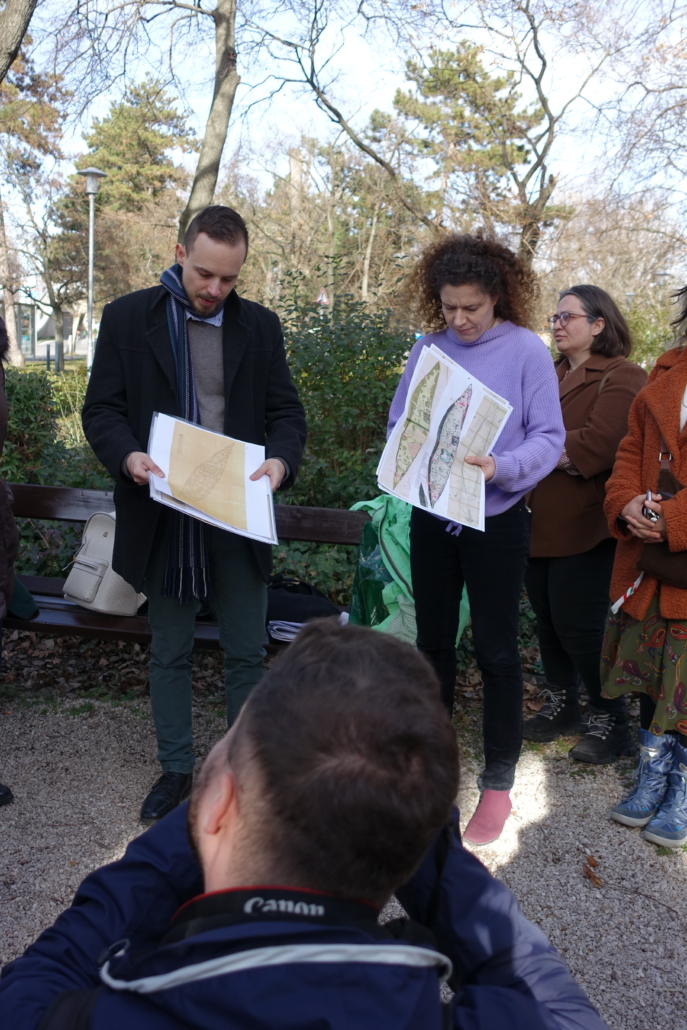
Professor Carmen Marín presented the Madrid Parks and Gardens Historical Archive Project, which consolidates previously fragmented municipal collections now hosted at Retiro Park. Her work demonstrates how small teams can successfully structure and archive from dispersed historical materials.

Dialogue with the Spanish Association of Landscape Architects AEP

The concluding roundtable with the AEP resulted in concrete commitments, including offering their historical collection as a pilot and initiating broader national support.

Conclusion: A Shift from Planning to Action

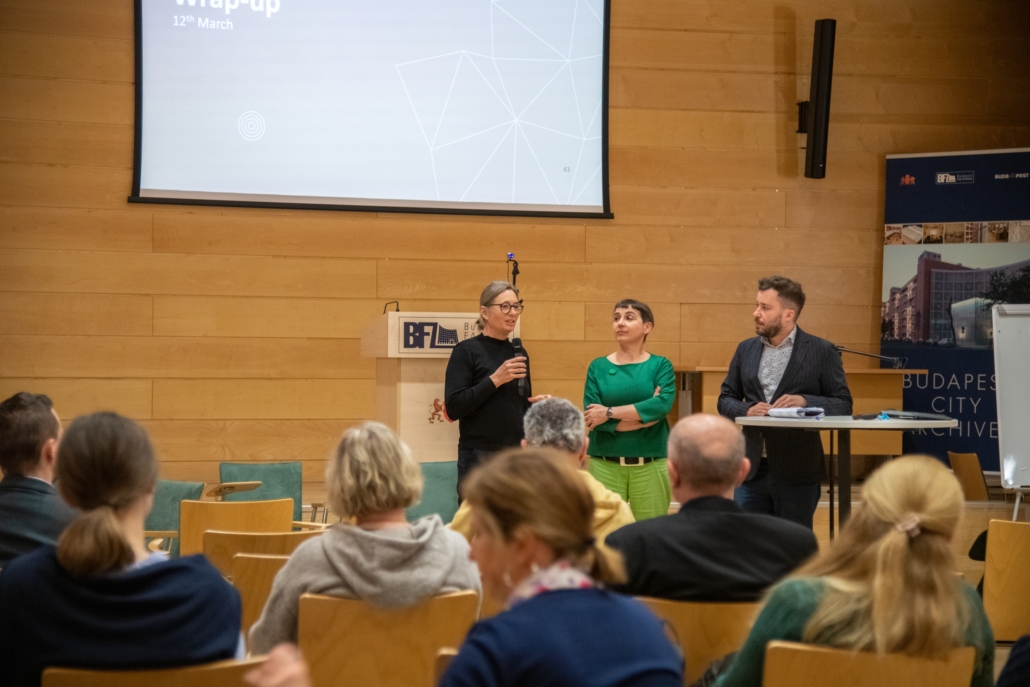
The Madrid meeting marked a transition from planning to coordinated implementation. Engagement with key stakeholders confirmed that in Spain, we are not starting from zero: the space, systems, collections, and institutional allies are already in place to launch the first Landscape Architecture Archive at URJC.
The Madrid Roadmap will be further developed collaboratively by WG1 members.
 

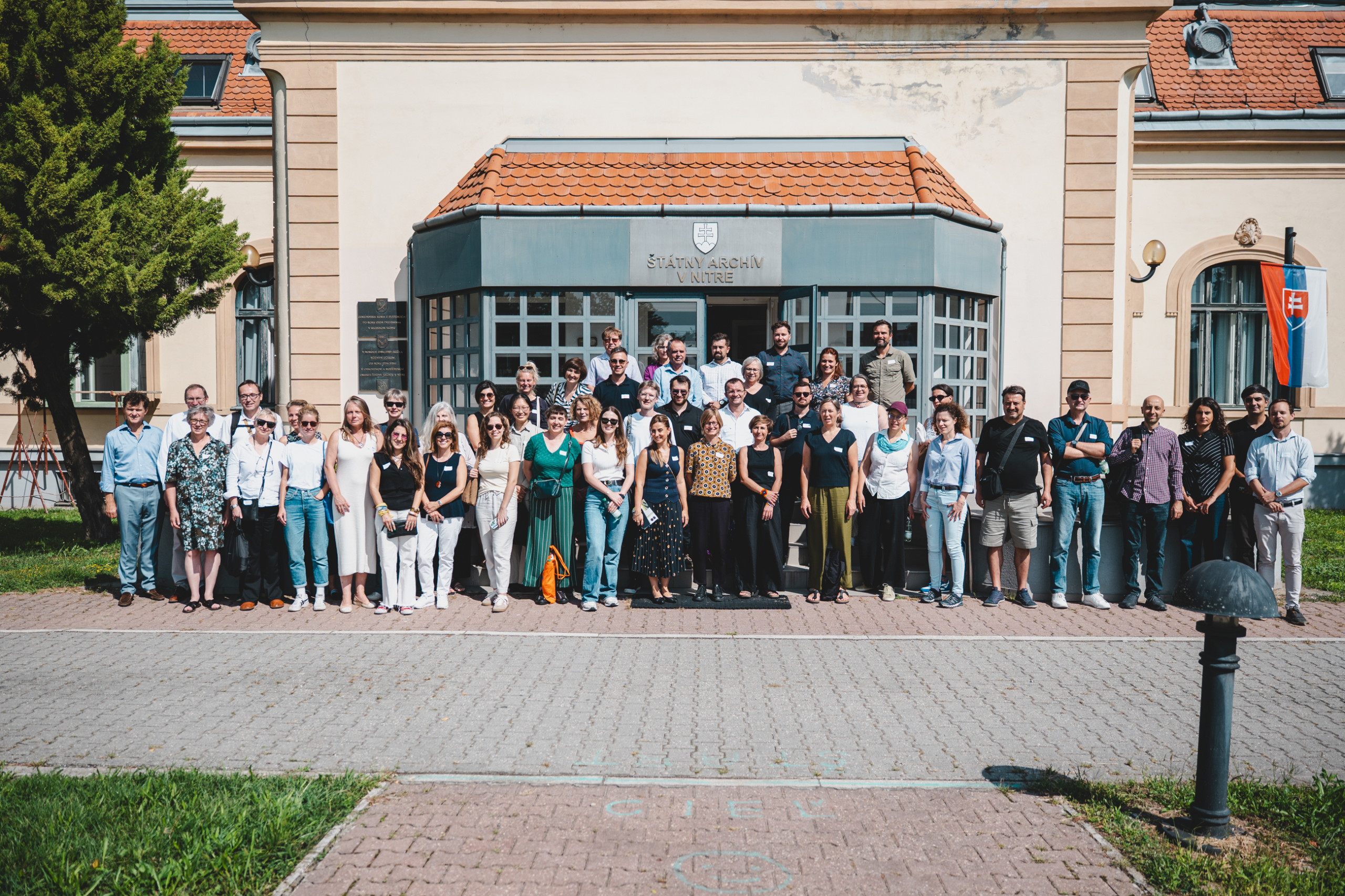
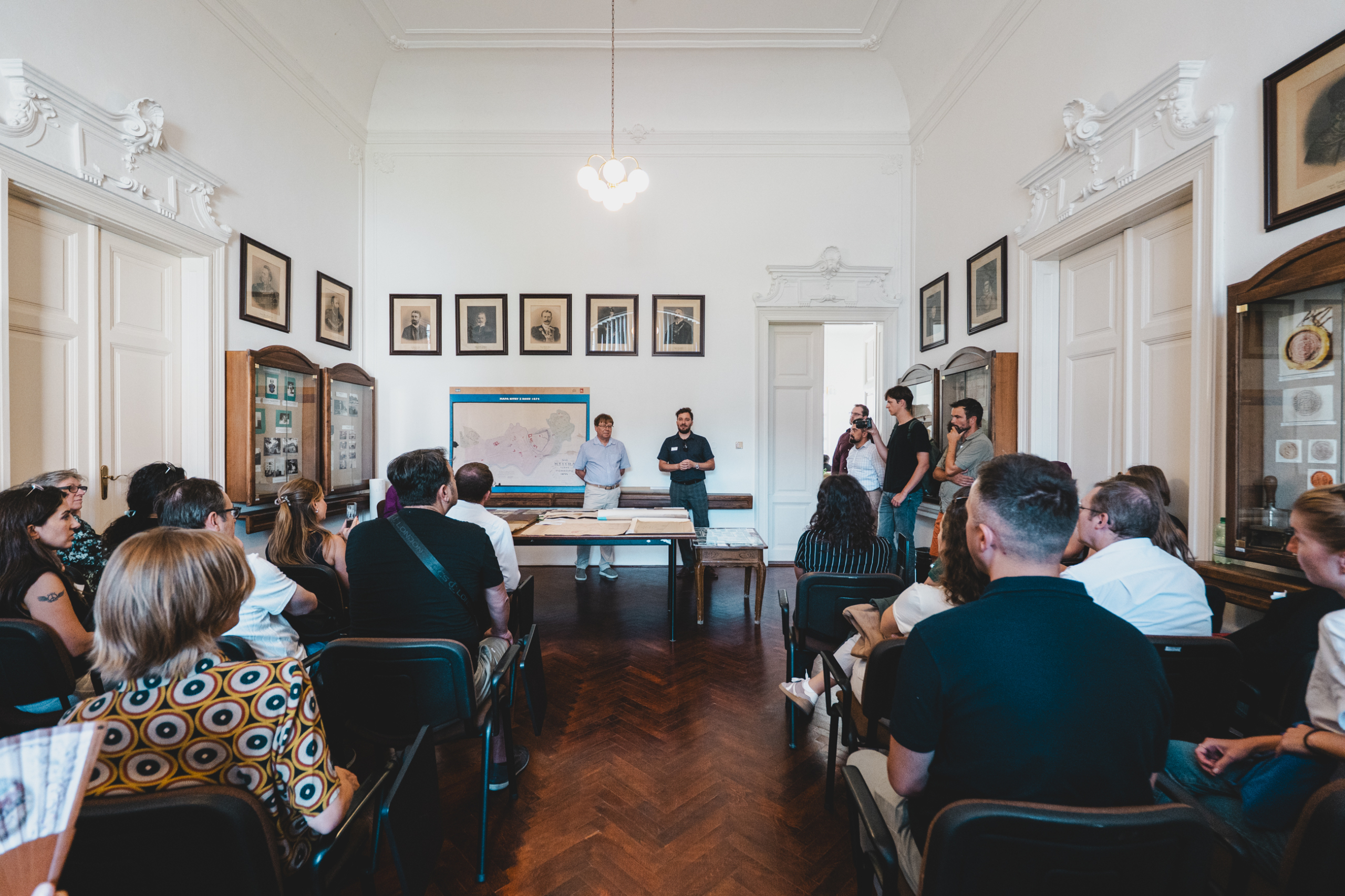
ConnectLAA 2st General Meeting in Nitra, Slovakia

  • Date: 5–6 September 2025
  • Venue: Faculty of Horticulture and Landscape Engineering, Slovak University for Agriculture, Nitra
  • Organised by: Attila Toth and Core Group

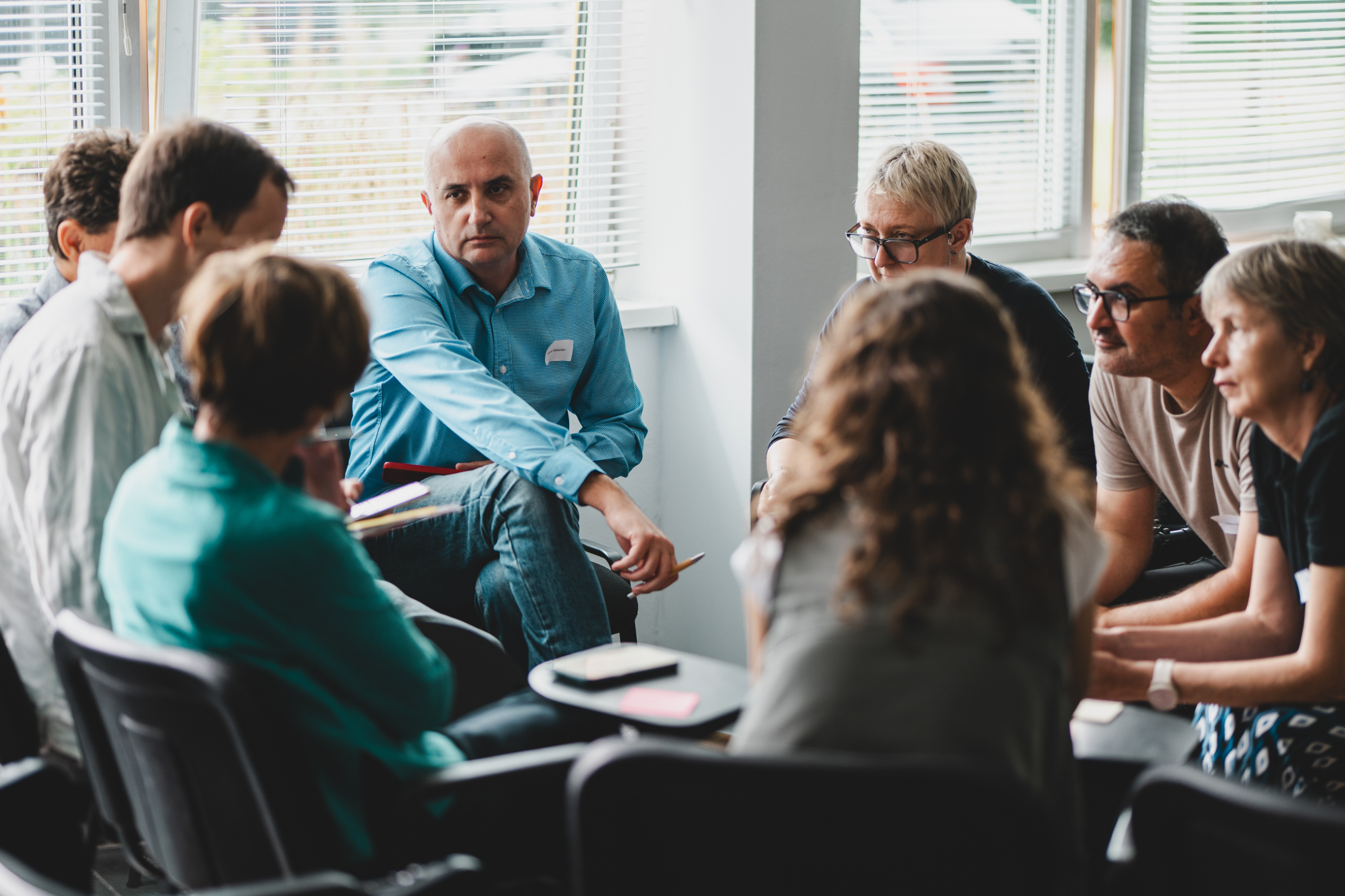
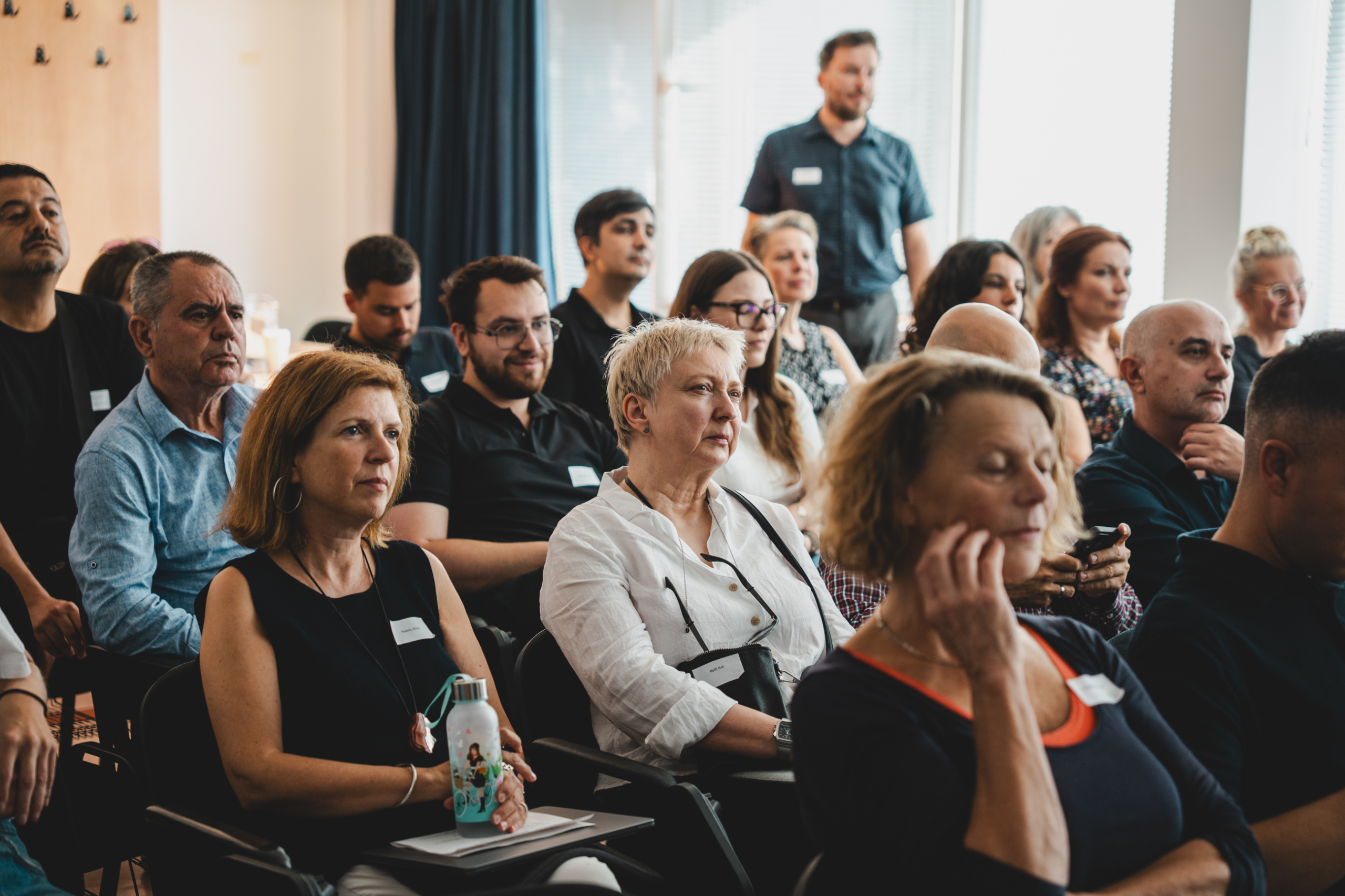
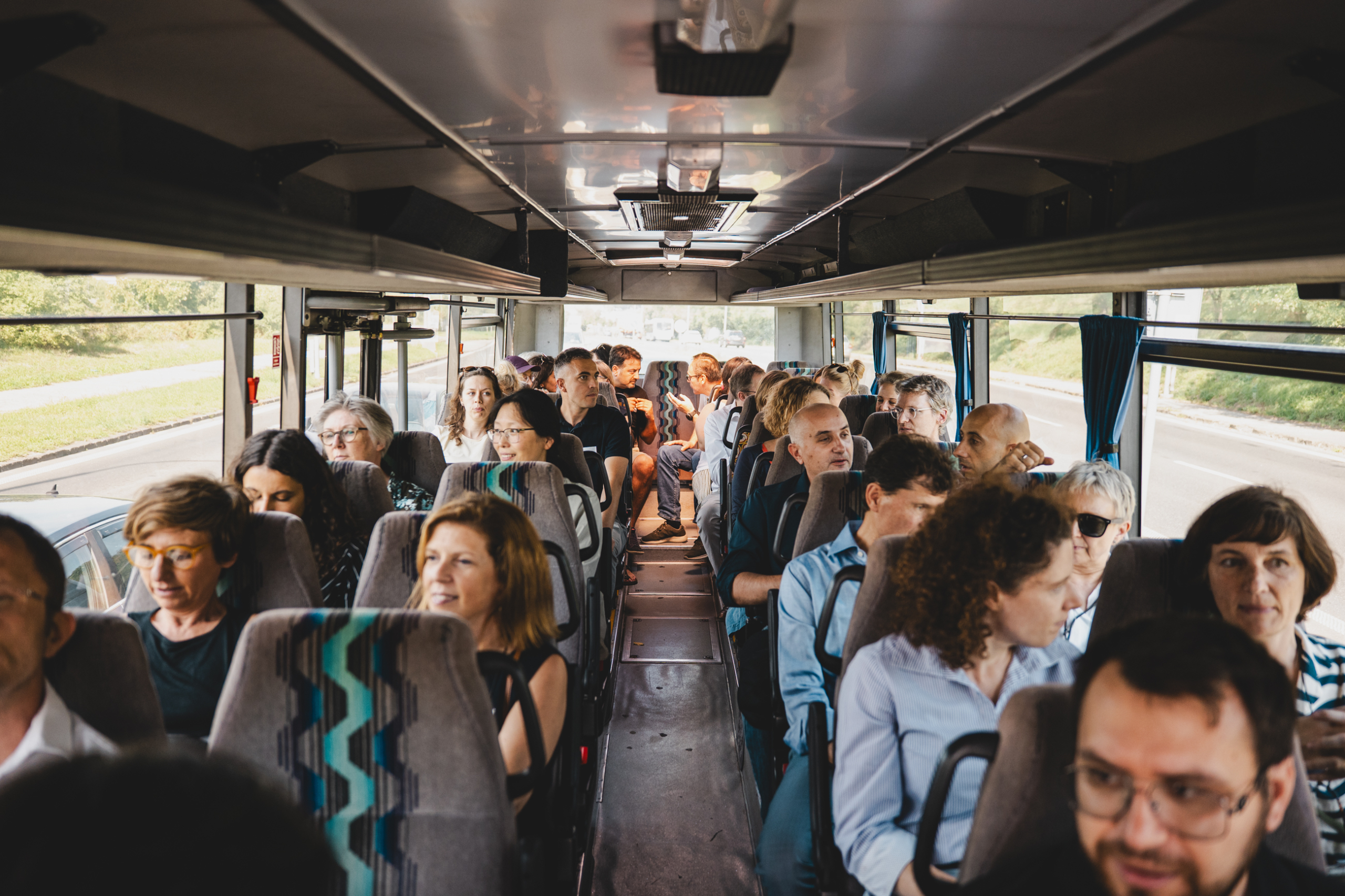
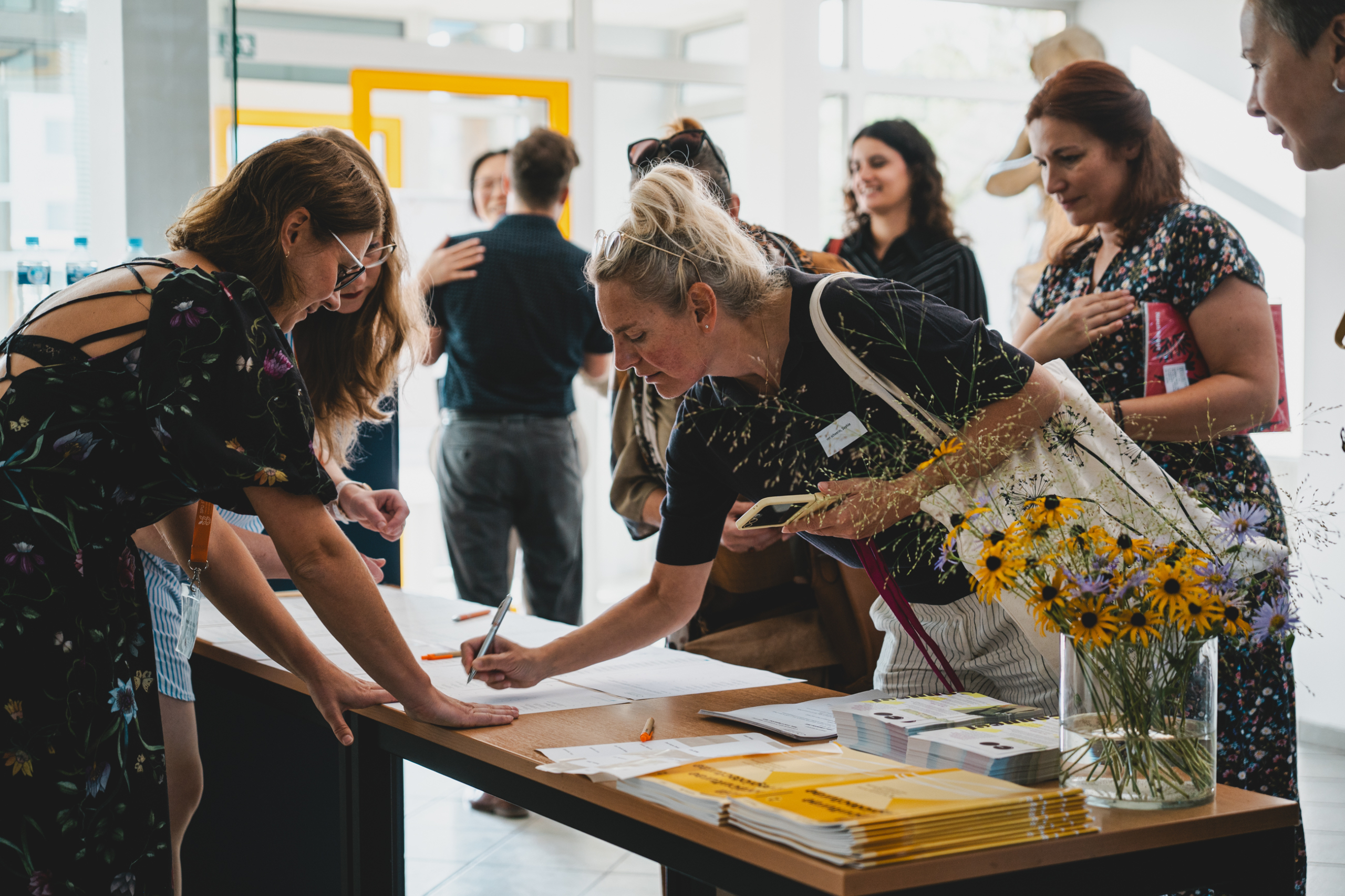
The main goals of this meeting were to develop a shared experience and vision for the entire Action, and to organize intensive working sessions led by the WGs. In addition to workshops focused solely on specific working groups, cross-working-group sessions were held. Participants assigned themselves to on-site sessions. 

Workshop WG1: Transfer archival knowledge to support LA archive management and operation 

Participants discussed the programme for year two, focusing on how to build on the knowledge accumulated in the first year and how to contribute to the future manual dedicated to LA archives and stakeholders. The session also involved brainstorming ideas for the Manual of Good Practices and how STSMs and WSs can contribute solid data to this task. A new inventory sheet documenting existing archives and collections was also presented; this will serve as the basis for a future online map. 

Joint workshop: WG1 and WG2 

This session aimed to foster cross-group collaboration by bringing together all WG1 participants (archivists) and WG2 participants (researchers) to brainstorm potential joint activities and identify how the working groups could support one another moving forward. 

Workshop WG2: Enhance the use of LA archives for research and practice 

This workshop aimed to encourage the use of archives in landscape architecture (LA) practice for new designs and site renovations, and to promote interdisciplinary approaches with other fields. This would involve integrating landscape architecture/design history into architectural history dialogues and situating this within a broader historical context. 

Joint workshop: WG1 + WG3

This session aimed to encourage collaboration between the groups by bringing together participants from WG1 (archivists) and WG3 (educators). The participants were asked to brainstorm potential joint activities and identify ways in which the groups could support each other in the future.   

Workshop WG3: Enhance education through the use of archives 

Participants discussed the following questions in small groups: 1) Discuss trends and developments in education, and 2) Discuss the relevance of teaching with archives. How do they align with your needs and wishes? The following relevant trends were discovered: Climate change, AI, digitisation, critical thinking, lifelong learning, and transdisciplinarity. Accordingly, the relevance of teaching with archives was highlighted in terms of adaptive cases, better links, doubtful reliability, the possibility of virtual archives, providing alternative perspectives, and the need to collaborate with archivists, engineers, scientists, etc. 

 Joint workshop: WG3 + WG4 

WG4 recruited a member from WG3 to act as a communication agent, responsible for requesting information from WG3, and as a content collection manager: Sara Djordjevic. Discussions took place about how the connections between the two working groups might work (e.g. quarterly mini group meetings). The use of a Teams channel for collaboration was discussed, as well as the next deliverables and other ideas and suggestions. 

Workshop WG4: Communication and dissemination 

The main aim of the workshop was to raise awareness of archives and showcase their contents. To this end, connected exhibitions are planned. Various platforms were discussed, with Instagram being chosen as a possible medium.  

2025 WG3 + NELA Workshop ECLAS Conference Nitra: Learning from the past for sustainable cultural landscapes: Using archives in landscape architecture education

Following up on yearly workshops by the Network of Landscape Architecture Archives (NELA) at conferences of the European Council of Landscape Architecture Schools (ECLAS), ConnectLAA and NELA joined forces for the ECLAS conference 2025 in Nitra, Slovakia.  


Designing sustainable cultural landscapes for the future requires an understanding of not only present challenges but also the historical evolution of these landscapes. To link their past, present, and future, it is crucial to study historical design approaches, planning decisions, and their underlying ideas. Archives provide valuable resources for understanding past landscape transformations, yet their potential in landscape architecture education remains underexplored.  

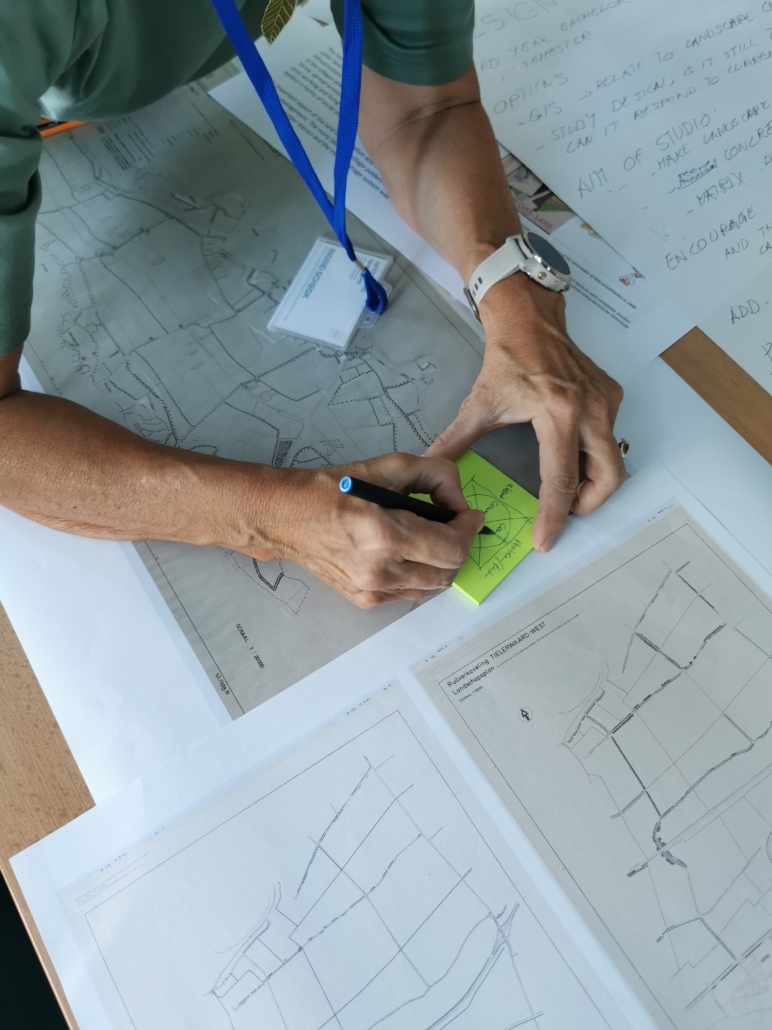
The workshop aimed to explore how archival material can inform sustainable landscape design. By collaboratively designing a teaching unit for a design studio that incorporates archival material, participants shared their teaching methods and experiences for integrating archival research into design and planning education.  


ConnectLAA 1st General Meeting in Budapest, Hungary

The main goals of this meeting were to stimulate the working process, share information about the Action and exchange experience related to landscape architecture archives, as well as to discuss the next steps for the Action and its working groups (WGs). 

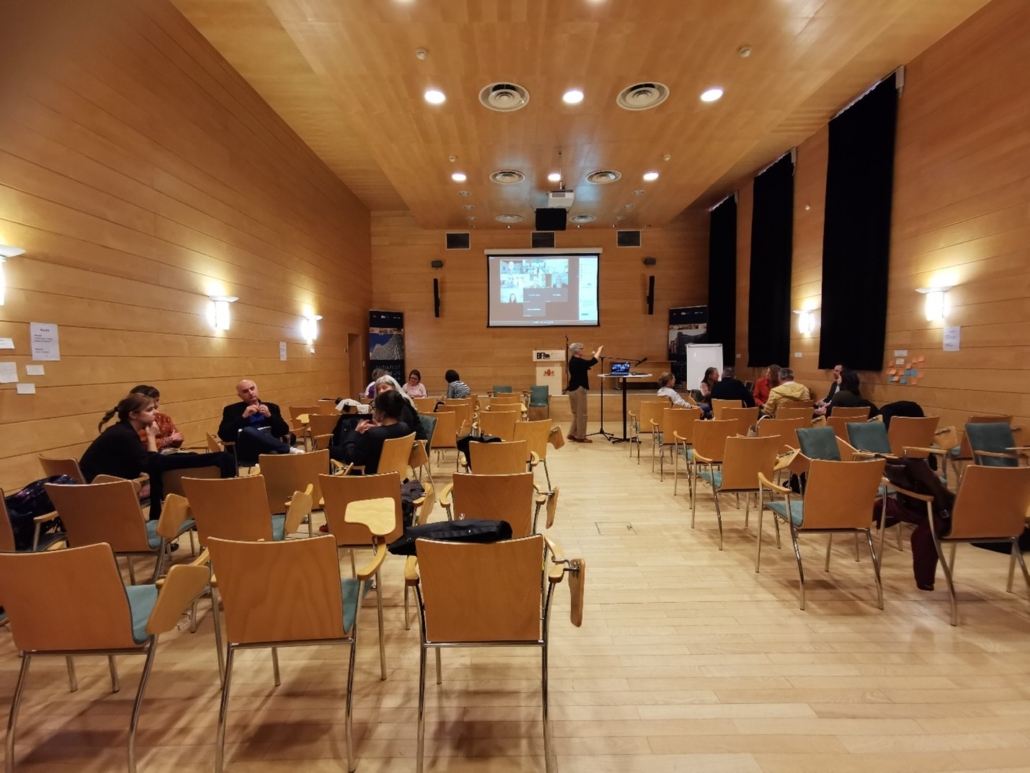
The event lasted two days, and participants were actively engaged in the WG sessions. Participants also had the opportunity to attend sessions of other WGs. This helped to create an initial, broad common knowledge base within the Action. Participants were assigned to sessions on site. 

WG1 workshop: ‘Inventory existing archives’ 

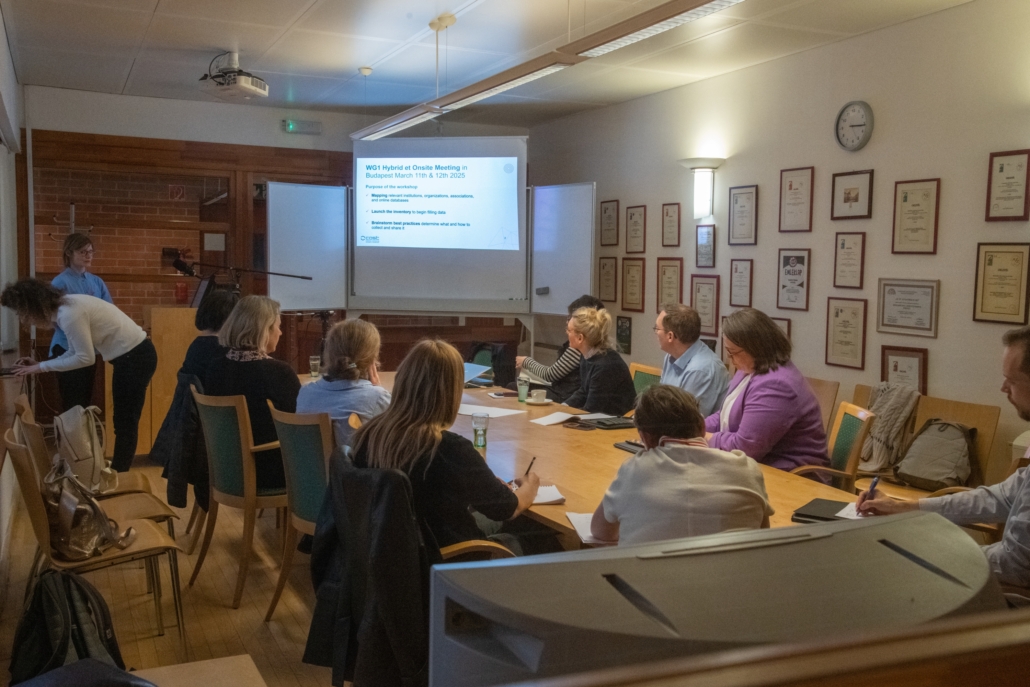
The objective of the WG1 workshop was to identify and categorize landscape architecture archives and repositories based on the general criteria outlined during the first Working Group online meeting. A brainstorming session was initiated to explore methods for collecting information on best practices. Additionally, the participants started mapping different archive locations across the Action countries, which were sampled in a Google Maps application. 

WG2 workshop: ‘Enhancing the use of landscape architecture archives for research and practice’ 

This in-depth workshop focused on mapping users’ needs, experiences and expectations concerning the accessibility, operation and information of landscape architecture (LA) archives and archival repositories. Participants were asked to bring an example of archive material that they found particularly interesting and/or important for their work, in digital form.  This served as a starting point for a discussion about how archival sources influence and improve work, design, and research. At the end of the second workshop, further WG2 activities were planned, with a particular focus on identifying research gaps related to LA archives. 

WG3 workshop: ‘Enhancing Education Through the Use of Archives’ 

Exploring how archival material is used in education, including the types of courses it is used for, the learning objectives it supports, and how it is used. Participants shared their experiences of using archives in education. These insights will inform the preparation of the next two workshops in 2025, which together will provide an in-depth understanding of the current use of archives in education. This will contribute to a catalogue of teaching methods and tools and form a basis for developing other innovative educational uses. 

 WG4 workshop: ‘Communication and Dissemination’ 

This workshop focused on developing effective and targeted communication methods, forms and tools for European landscape architecture archives, from the perspectives of LA archive management and operation, and the use of LA archives for research, practice and education. Members of all working groups exchanged ideas and brainstormed what, how, and to whom should be communicated to achieve the best possible communication and outreach. We are looking for inspiring ideas, experiences and discussions. 


2025 Survey The use of Archives in Landscape Architecture Practice, Research and Education

At the start of the project, a survey was launched to gain an initial understanding of archive usage, explore interests, and identify potential participants for the future.  


The survey was widely distributed among ConnectLAA members and among the Network of Landscape Architecture Archives (NELA), the European Council of Landscape Architecture Schools (ECLAS), the International Federation of Landscape Architects (IFLA) Europe and their members.  


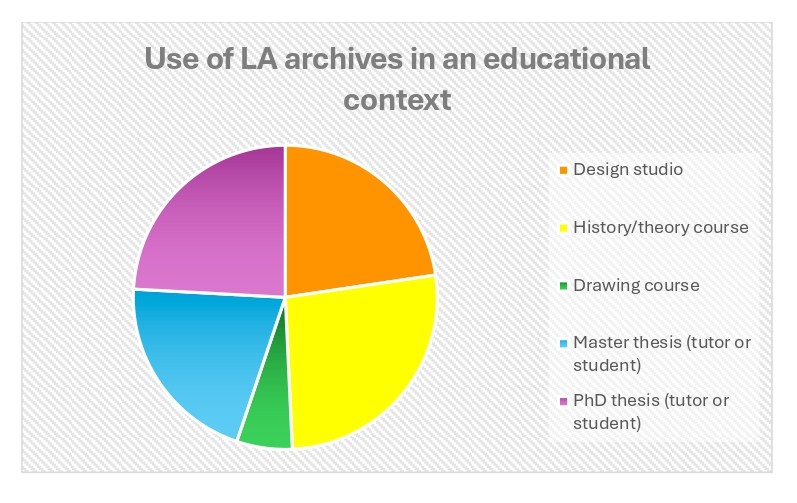
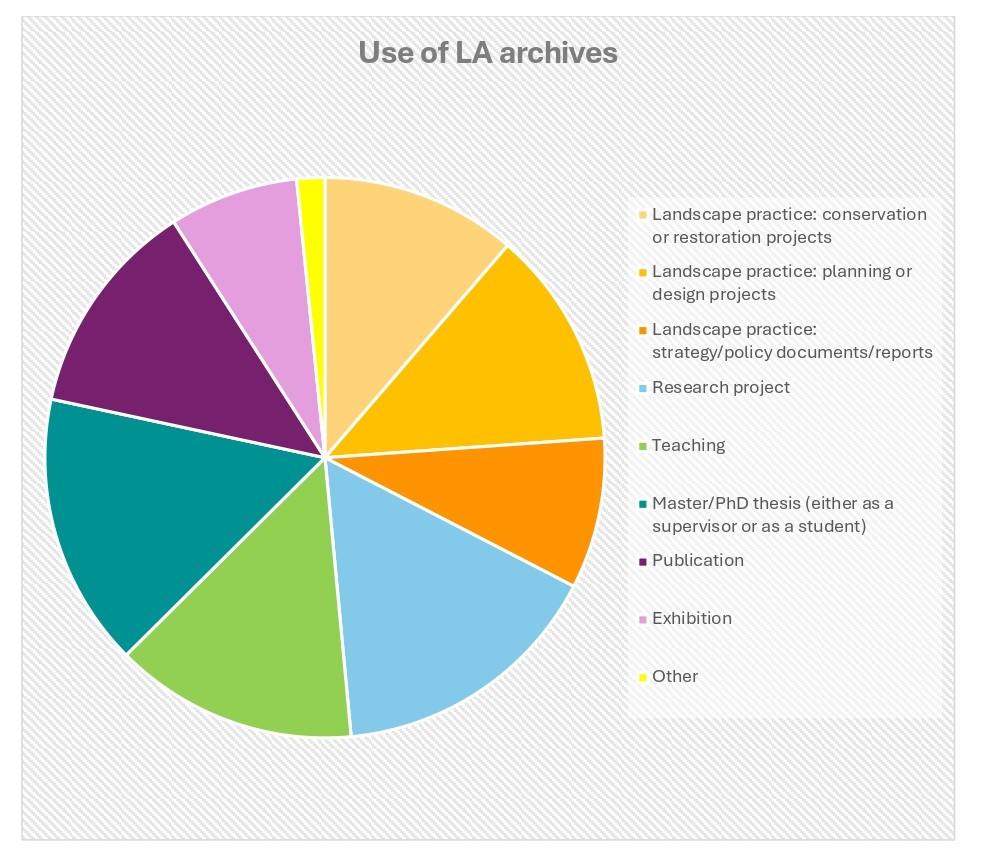
The survey received 248 responses from 33 countries. 46% of the respondents were ConnectLAA members. 39% of the respondents had a teaching role, many in combination with other roles such as researcher or practitioner. 80% of the respondents have used archival materials in their work, of which 14% used online archives, 14% physical archives, and 72% a combination. They ranged from incidental users to dedicated researchers who visited over 80 different archives. LA archives were used in many contexts. Looking more specific at the use of LA archives in a teaching context, a comparable image of diverse use appeared.