2026 WG3 Catalogue Teaching with Landscape Architecture Archives

The Catalogue teaching with Landscape Architecture Archives is the result of a collaborative effort of members of the ConnectLAA project and their colleagues. The Catalogue compiles 30 examples of courses and teaching modules that integrate archives and archival materials as educational sources.

In the first year of the project, the WG3, dedicated to Education, mapped current tools and methods for the use of landscape architecture archives in education. Best practices were presented and discussed in a series of workshops across Europe, followed by a joint seminar. A call in autumn 2025 resulted in a variety of examples covering bachelor, master, PhD and primary school levels as well as teachers’ training. The examples serve as a source of inspiration for educators, students, and researchers in landscape architecture and related disciplines such as architecture, spatial planning, and architectural history.

The catalog is online here: Catalogue teaching with landscape architecture archives CA23128


Joint WG3 Seminar: Gaps, Needs and Wishes of Using Archival Materials in Teaching

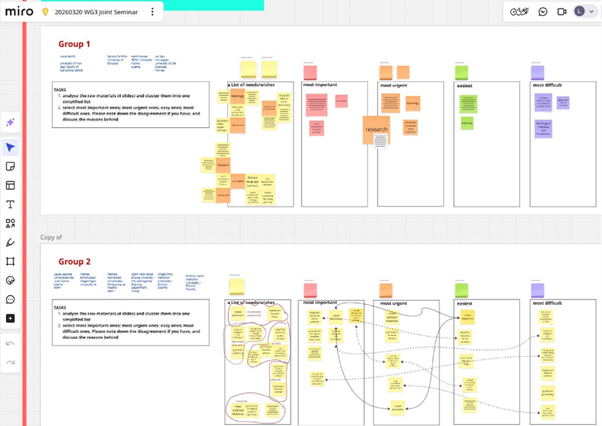
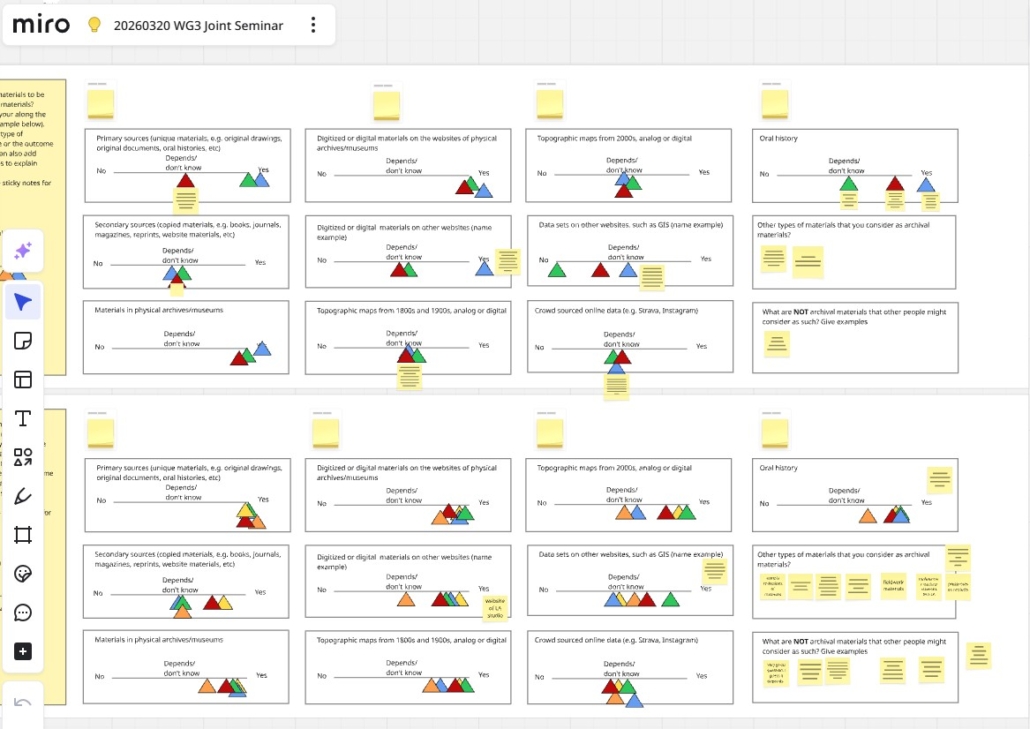
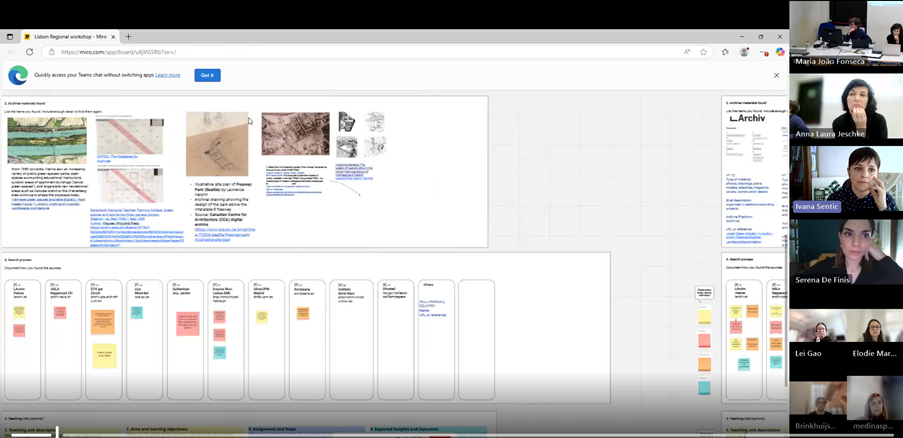
WG3 organised a joint online seminar to synthesise findings from the four Regional Workshops held between January and March 2026. During the seminar, Regional Workshop organisers reported their specific working methods and results; participants then took part in two interactive activities on the Miro platform to summarise key findings and define what constitutes “archival materials” in the context of landscape architecture education. 

Two short surveys were conducted during the seminar to understand the current state of, and interest in, involving archives in teaching. The results indicated a clear demand for improving archival literacy among teachers and researchers, as well as an increased interest in integrating archival materials into teaching practice. As no students participated in the joint seminar, their perspectives were not represented in the survey results and will be sought through other means.


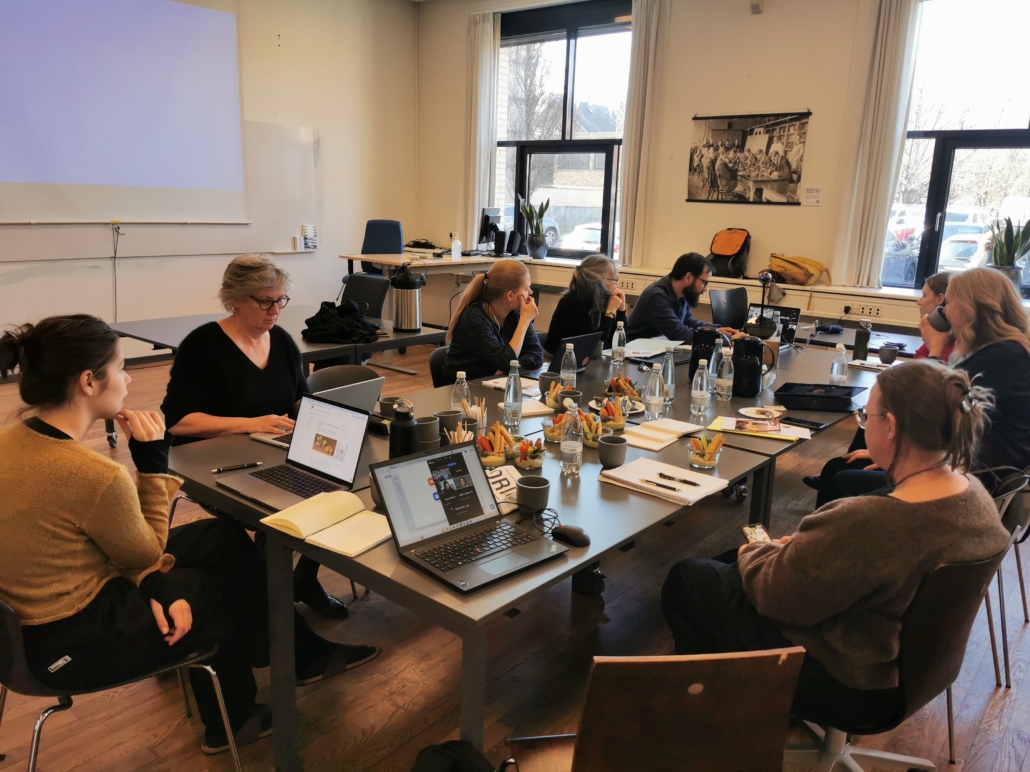
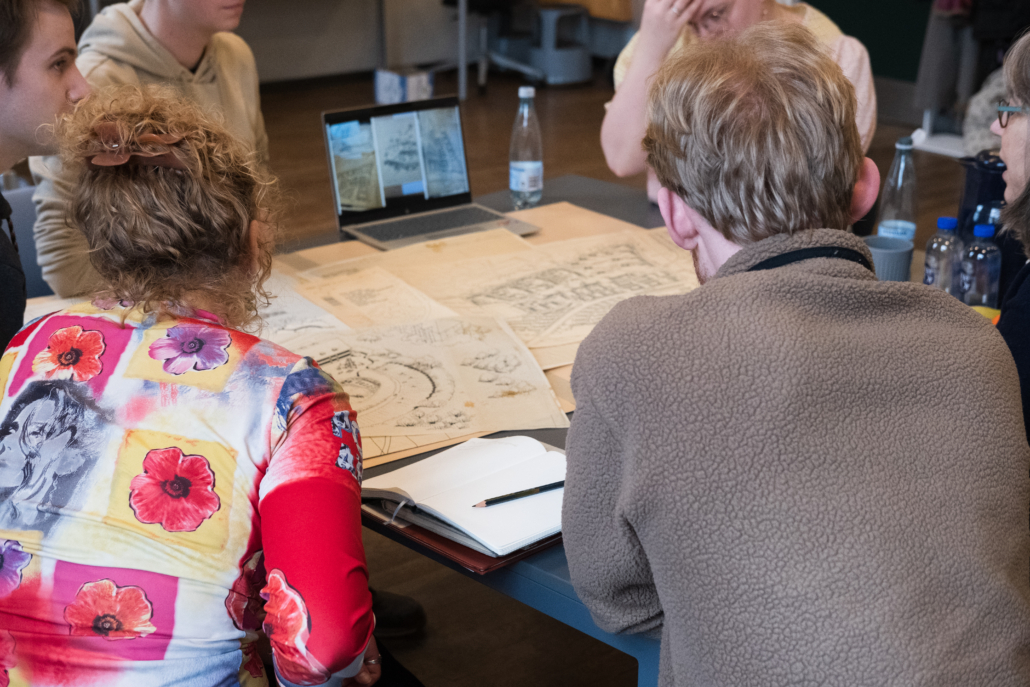
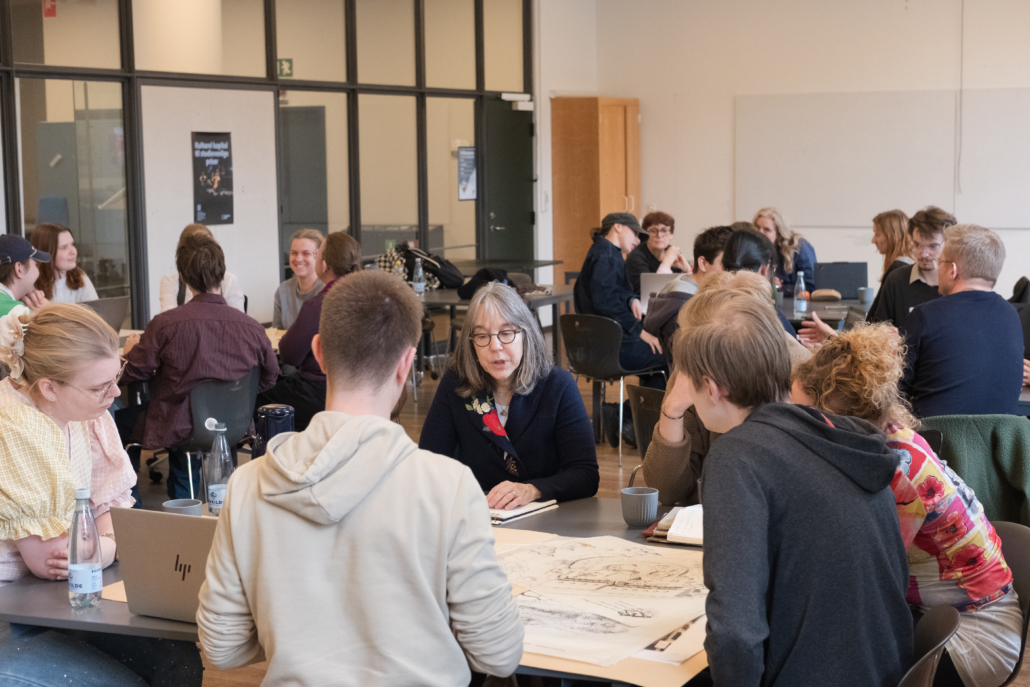
2026 WG3 Regional Workshop Copenhagen: Archives as Learning Settings

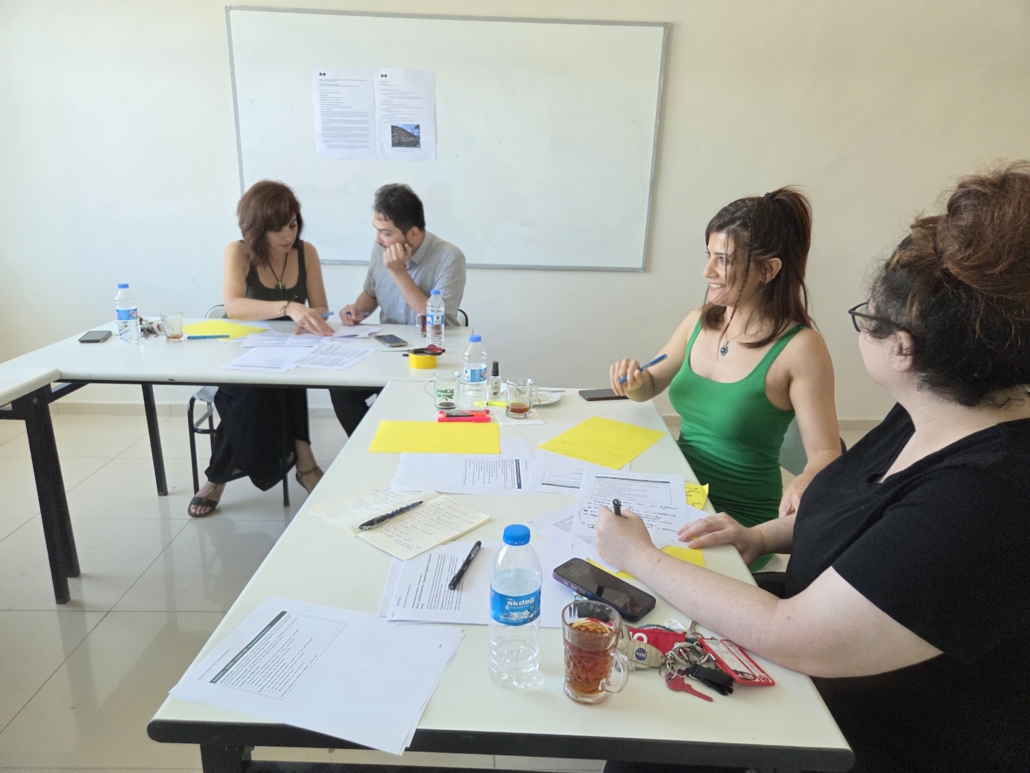
In 2026, WG3 members organized four Regional Workshops. The overarching aim of these Regional Workshops is to initiate dialogue between teachers and students to identify their wishes and needs, and if possible, to start co-creating new methods and tools for using landscape architecture archives and archival materials in education. This co-creation process will continue into 2027. 

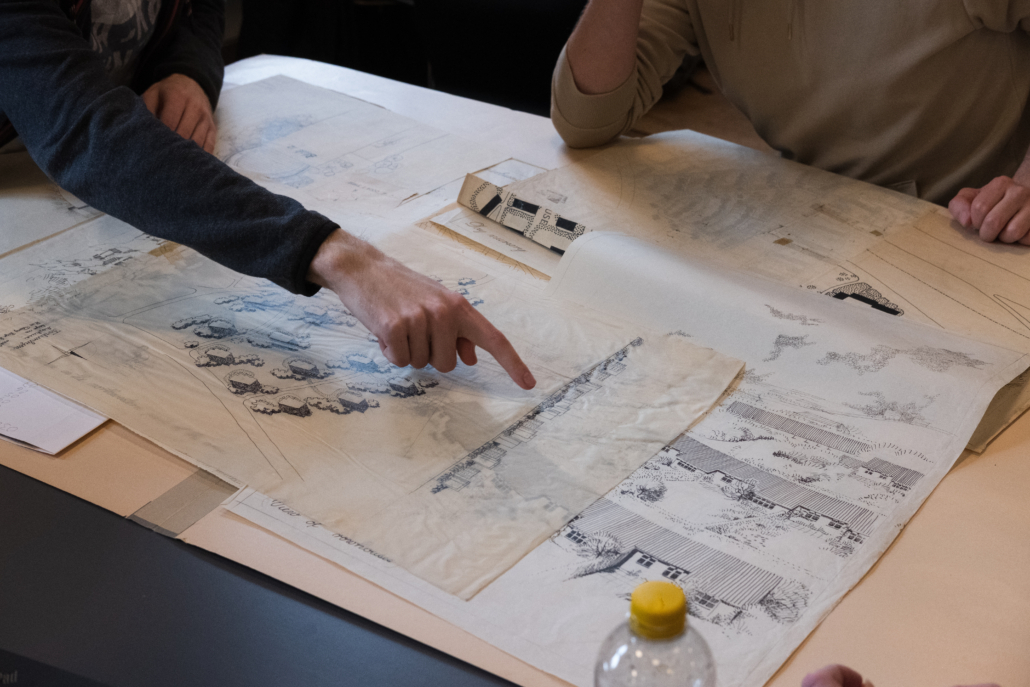
 “As teaching is becoming increasingly digitized, educators and students alike are fascinated by the analogue and tangible world of historical archives. Indeed, historical collections are valuable spaces for discovery, learning, inspiration, reflection, and wonder. Archival objects such as drawings, letters, photographs, and diaries can tie us closer to past experiences and help us practice long-term thinking, which is needed as we attempt to create more sustainable futures for landscapes and cities.  

Yet, far from being neutral mirrors of the past, archives are social constructs and, as such, have many gaps, too; every archive has its missing links, hidden or forgotten material, and even more absences in the sense of things that were never considered valuable and worth collecting in the first place. These archival absences reflect what feminist writer Rebecca Solnit calls ‘strategic silences’ that can restrain certain stories from being told and places from being ‘seen’ and valued. How can we address archives as valuable places for landscape architecture education while also contributing to the critical reflection about their limitations? How can landscape architecture students and educators contribute to how archivists all over Europe are currently expanding and rethinking their collections?” (quoted from the workshop flyer, prepared by Svava Riesto) 

The Regionals Workshop Copenhagen brought educators from different landscape architecture programs in Northern and Western Europe, students at the University of Copenhagen, and an archivist of a specialized collection of landscape architecture drawings at the University of Copenhagen Library, to discuss, test, and reflect on ways in which archives and education can mutually enhance each other in order to stimulate historically informed practices in landscape architecture for the future.


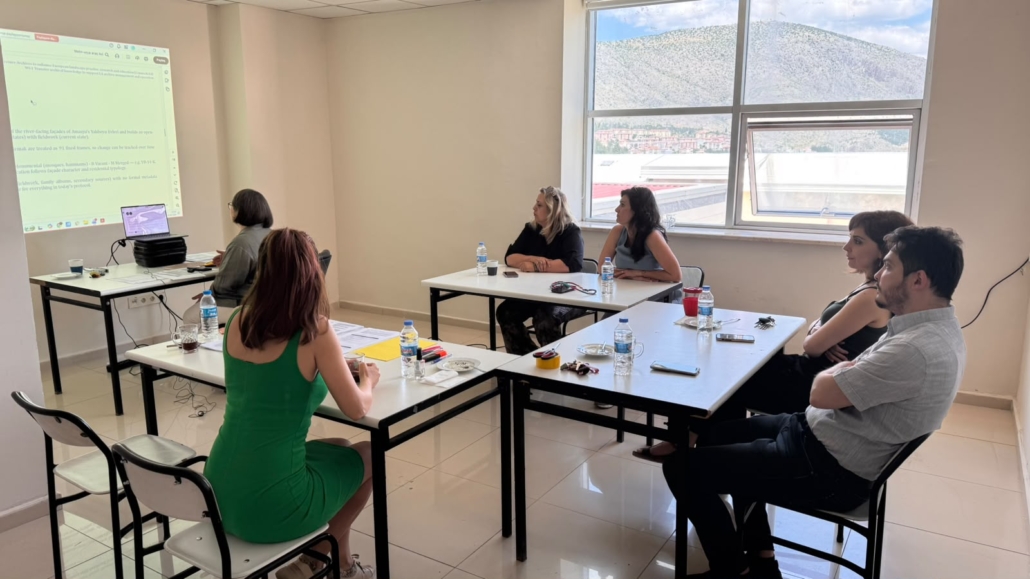
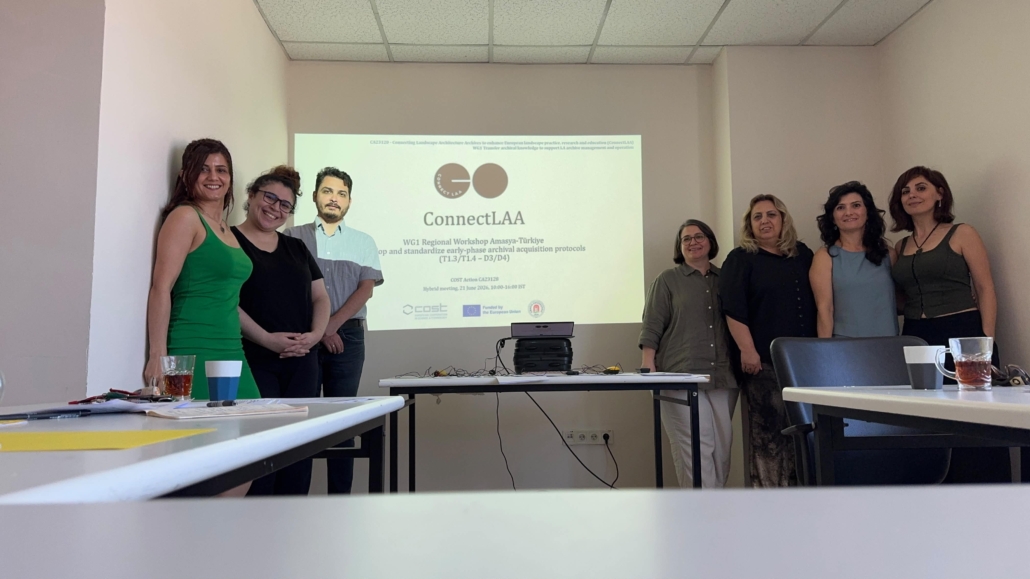
2026 WG3 Regional Workshop Lisbon: Archives in the Classroom: Barriers, Wishes, and Needs

In 2026, WG3 members organised four Regional Workshops with the overarching aim of initiating dialogue between teachers and students to identify their wishes and needs, and, where possible, to begin co-creating new methods and tools for using landscape architecture archives and archival materials in education. This co-creation process will continue into 2027. 

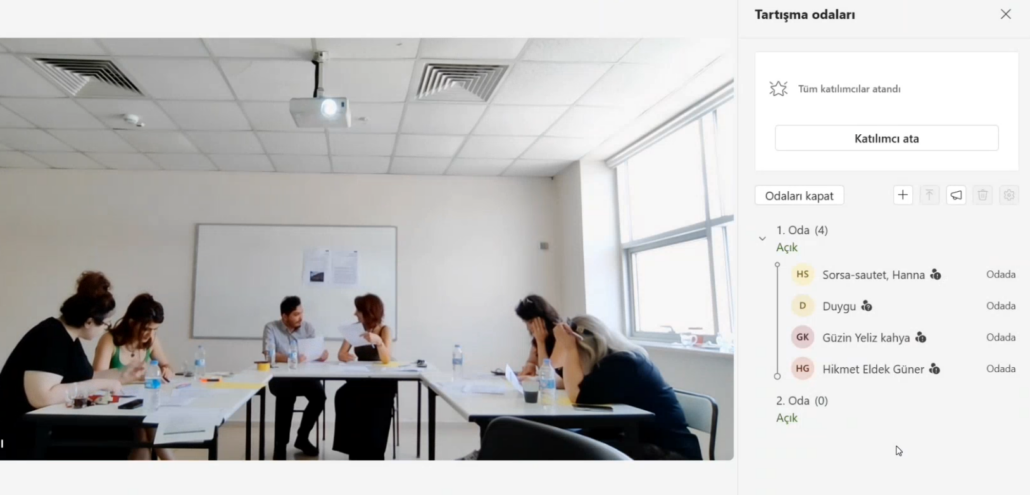
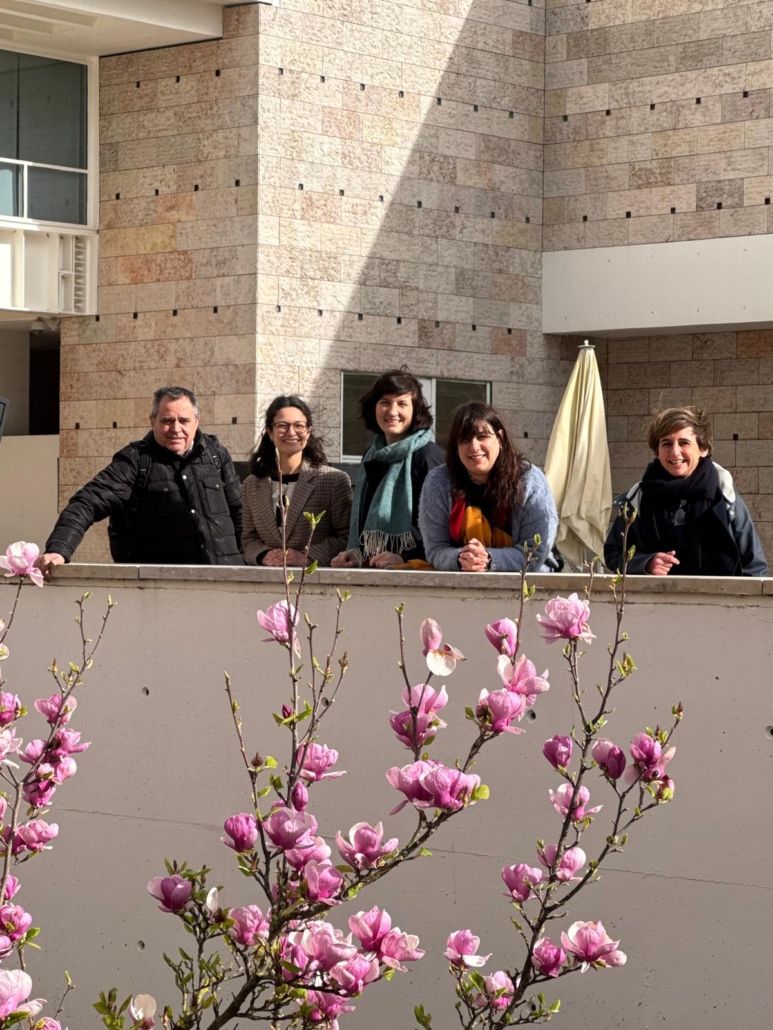
The Lisbon Regional Workshop brought together educators and practitioners to explore how online archives can be integrated into landscape architecture teaching. The day was structured in three phases. 

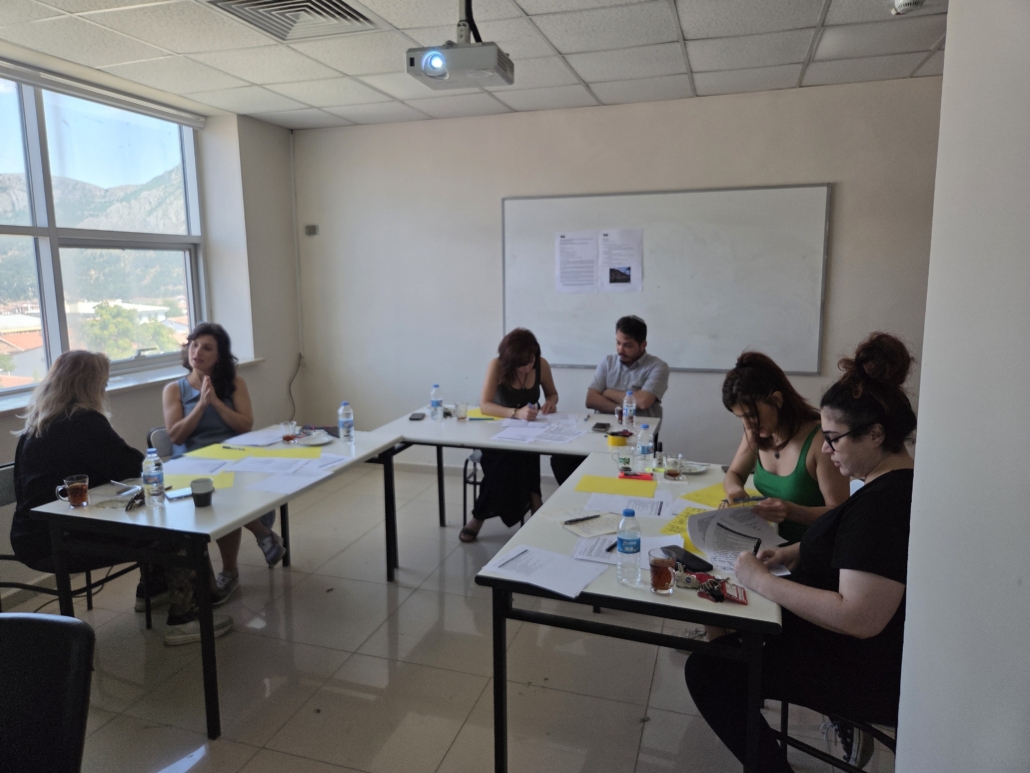
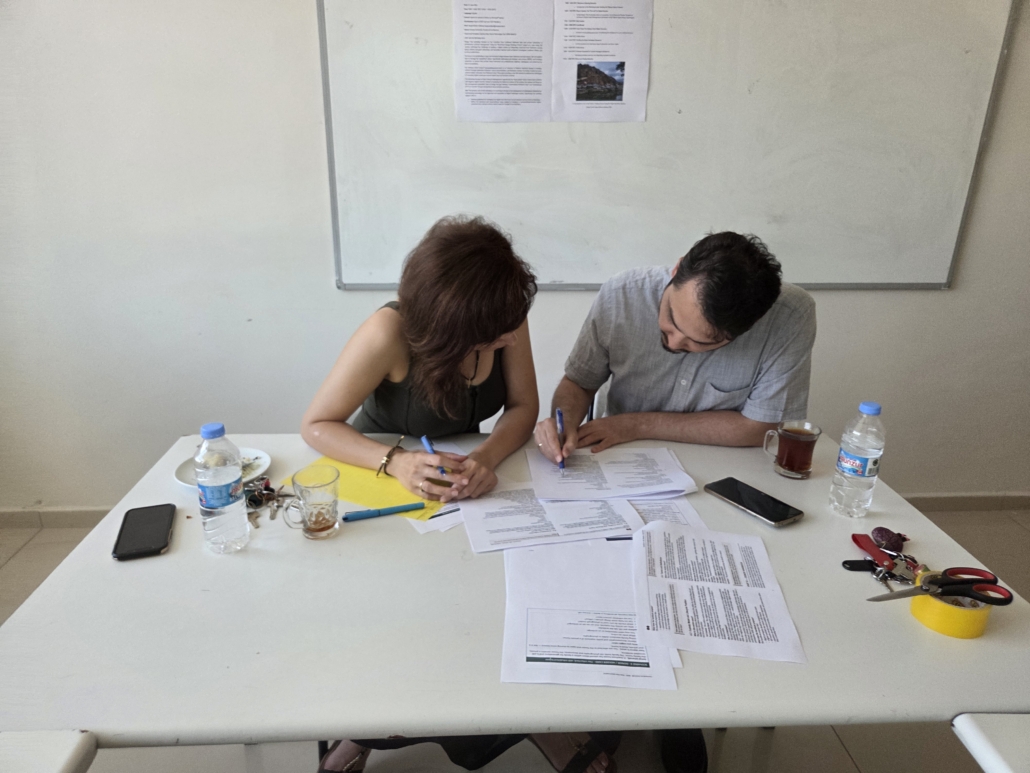
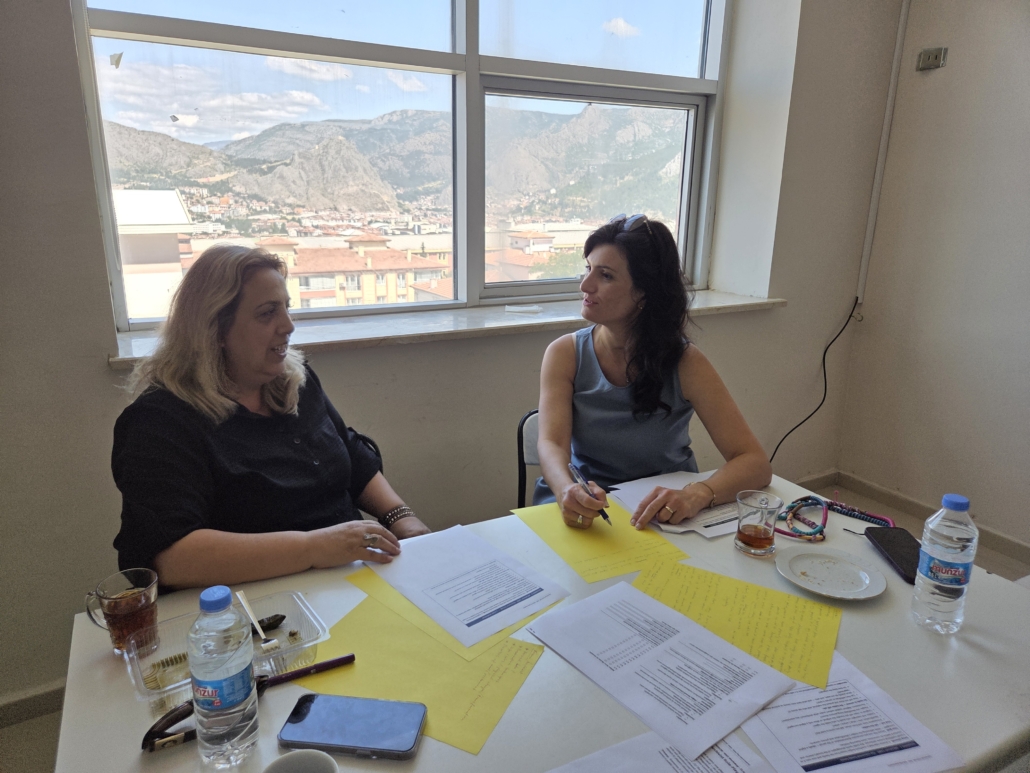
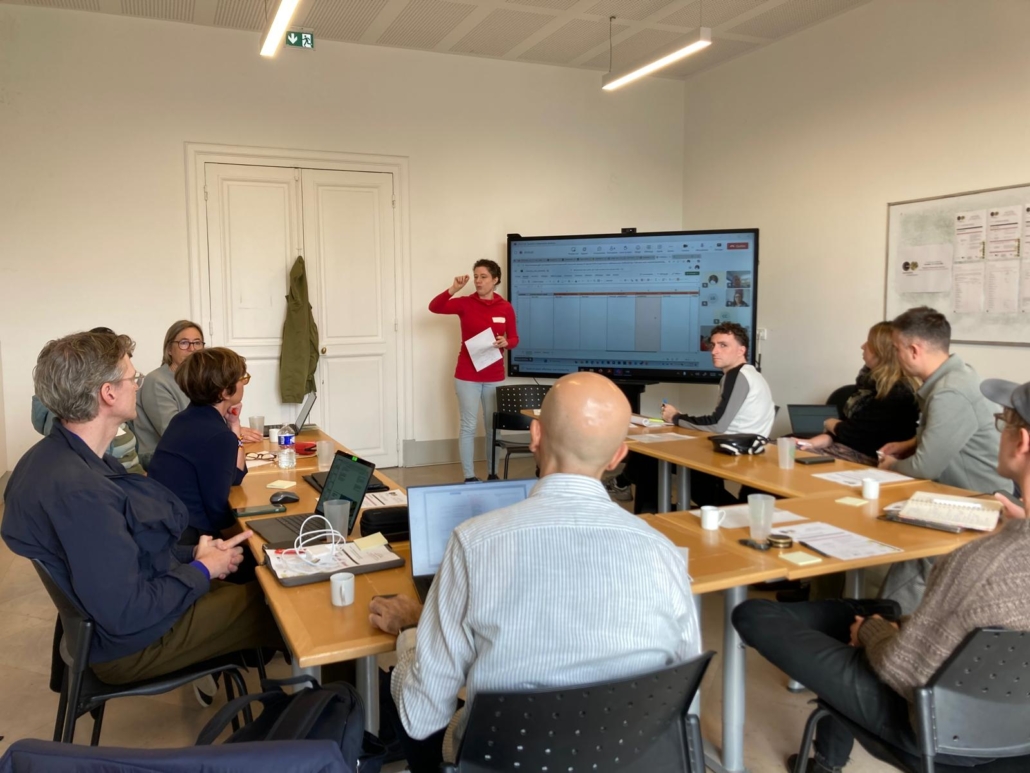
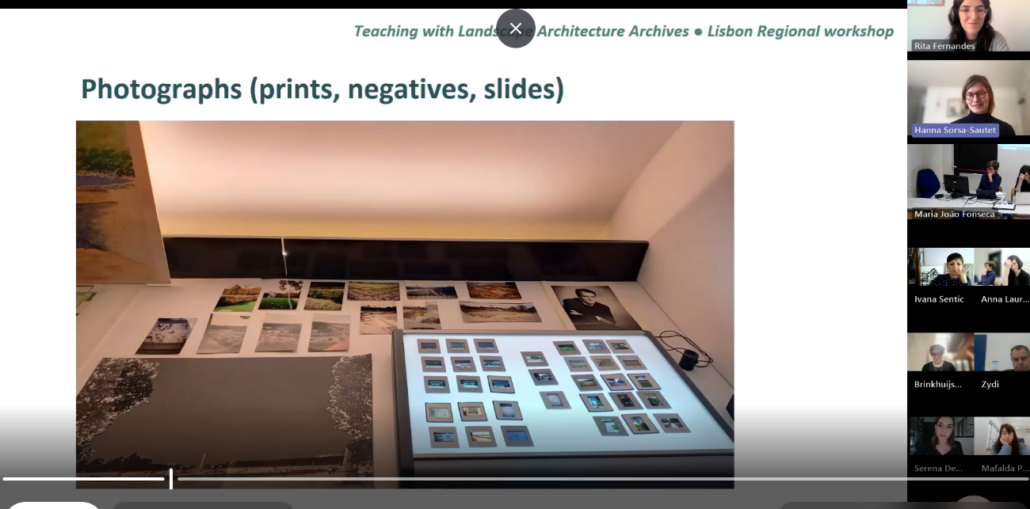
The morning opened with two archivist perspectives: Rita Fernandes (BIG) and Hanna Sorsa-Sautet (UNESCO) presented how archives work in practice — what they contain, how they are organised, and how to search them effectively. An orientation session then introduced participants to the workshop structure and content. The core of the workshop was a 90-minute hands-on task: working in pairs, participants searched real online archives on a chosen topic and drafted a teaching unit around what they found — and what they could not find. Three surveys, administered before, during, and after the session, captured layered evidence of the barrier’s educators face: incomplete digitisation and language barriers topped the list, yet 100% of participants stated they intended to use archives in future teaching. 

The workshop confirmed that the challenge is not convincing educators of the value of archives — it is giving them the practical tools to act on an intention they already hold. 

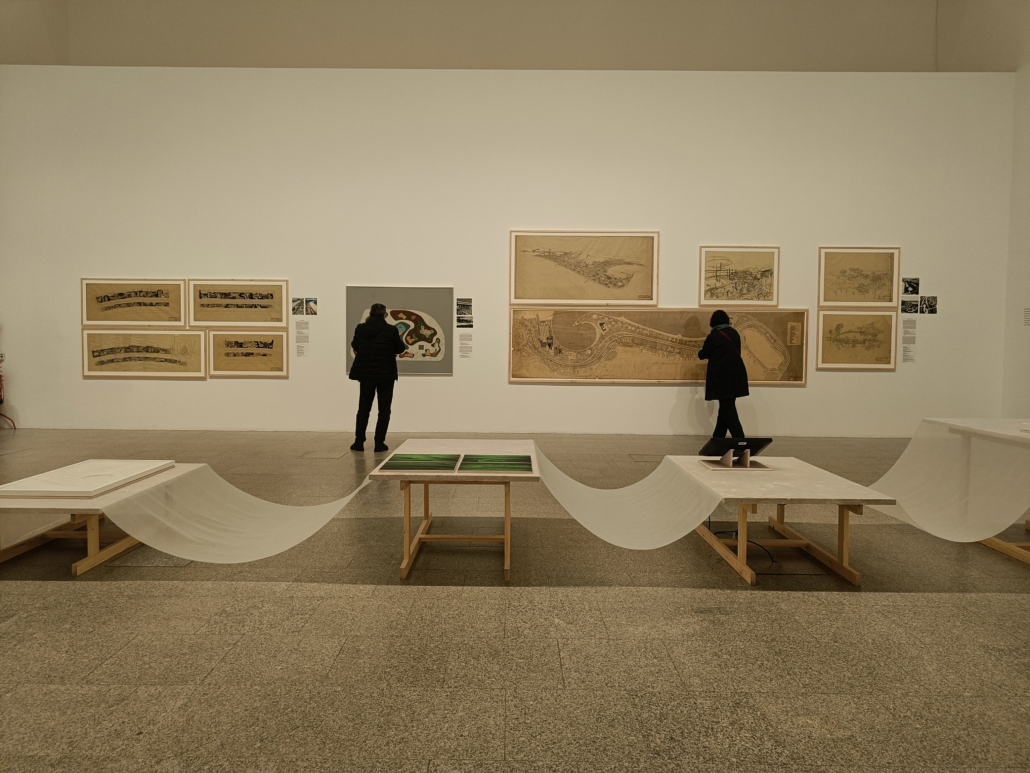
The day concluded with a group visit to the Roberto Burle Marx exhibition at the Centro Cultural de Belém — a fitting complement to the workshop’s themes of designed landscape and archives. 


2026 WG3 Regional Workshop Kraków: Landscape Archive in Education – Identifying Gaps, Needs and Wishes

In 2026, WG3 members organised four Regional Workshops with the overarching aim of initiating dialogue between teachers and students to identify their wishes and needs, and where possible to begin co-creating new methods and tools for using landscape architecture archives and archival materials in education. This co-creation process will continue into 2027. 

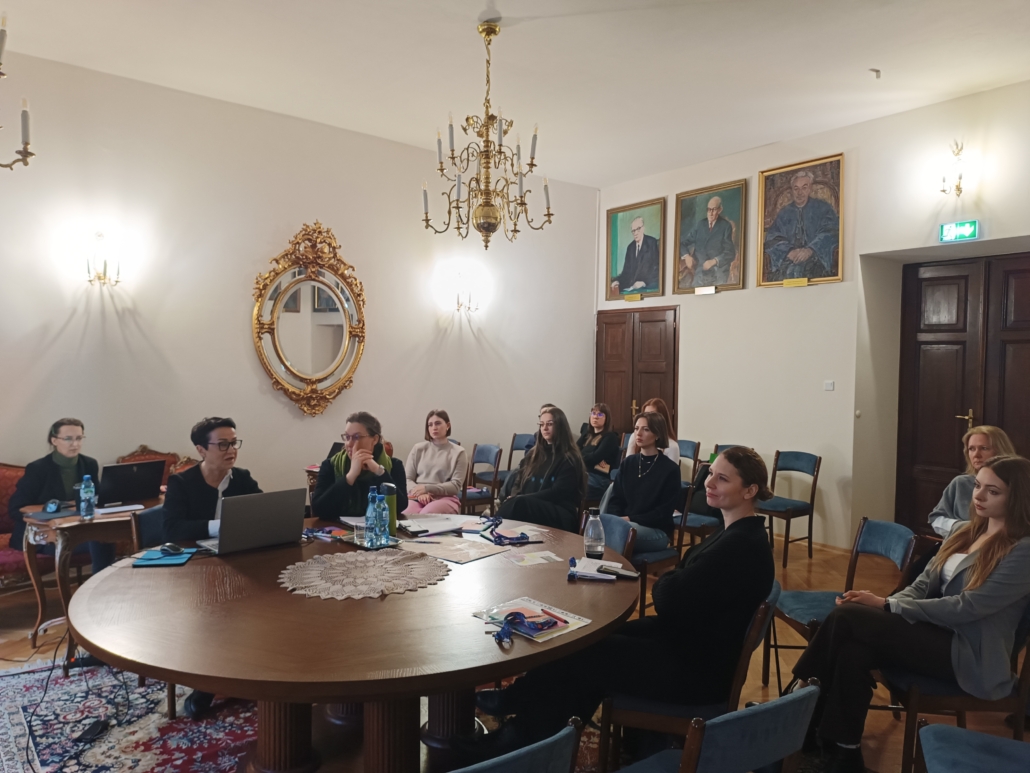
The morning session featured three case studies on the use of archive materials in landscape architecture education. Dr. Katarzyna Hodor and Oliwia Szadkowska demonstrated the use of archives for historical-compositional studies of parks and gardens; Dr. Monika Bogdanowska presented Janusz Bogdanowski’s sketchbooks as a tool for understanding design through drawing; and Dr. Anna Steuer-Jurek showed how historical maps can be used to trace physical changes in composed landscapes. 

The afternoon consisted of a brainstorming session – conducted in parallel online and onsite – in which participants discussed innovative ways of using archival materials in education and identified key gaps, needs, and wishes around archive use in teaching.


2025 ConnectLAA event “Towards Collaborative Archives”

This two-day event brought together experts and practitioners to explore the future of collaborative archives in landscape architecture, heritage preservation, and beyond, with 11 participants attending onsite and 10 joining online.

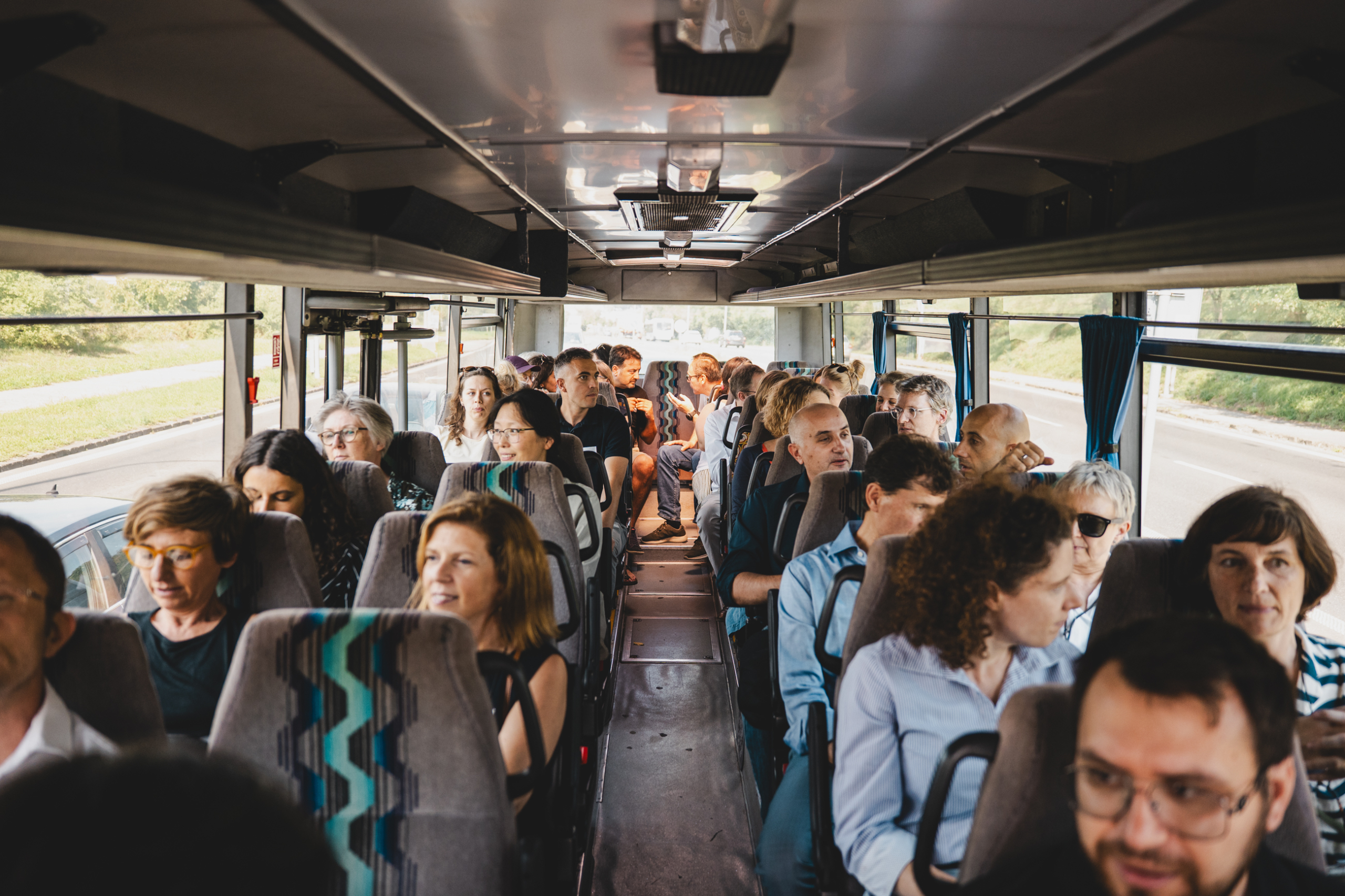
The meeting focused on advancing WG1’s collaborative inventory roadmap through metadata and technical planning for the online archive map, brainstorming second-year activities and STSM initiatives, reviewing the Madrid Roadmap outcomes, and gaining archival management insights through learning visits in Versailles and Paris. 

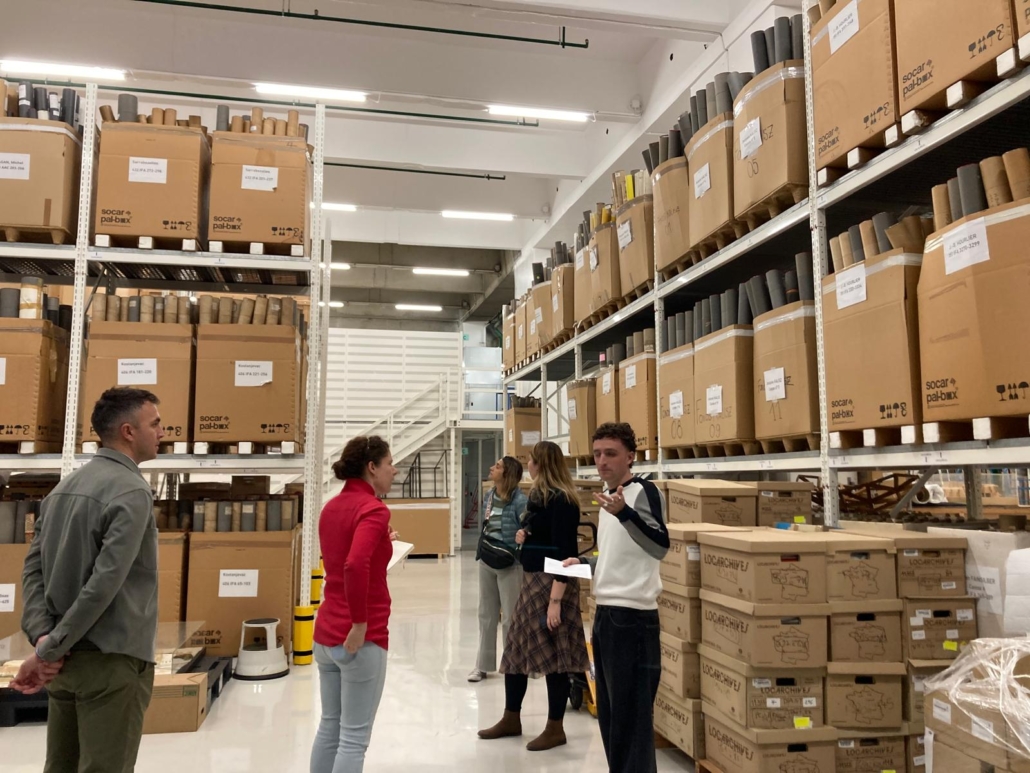
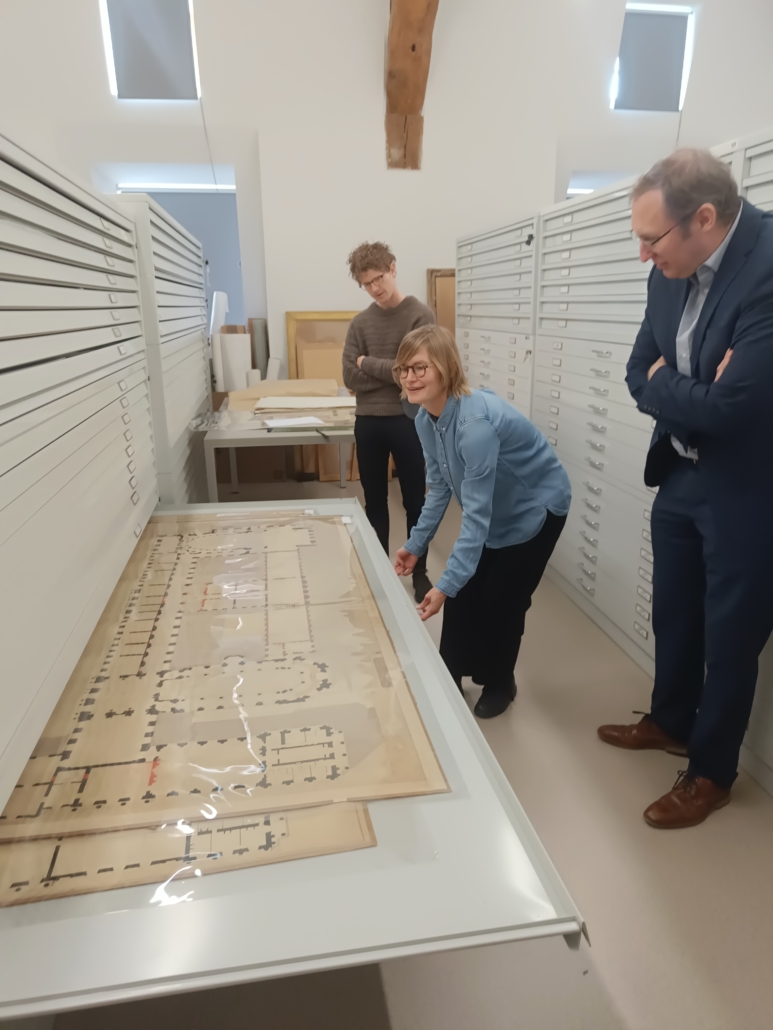
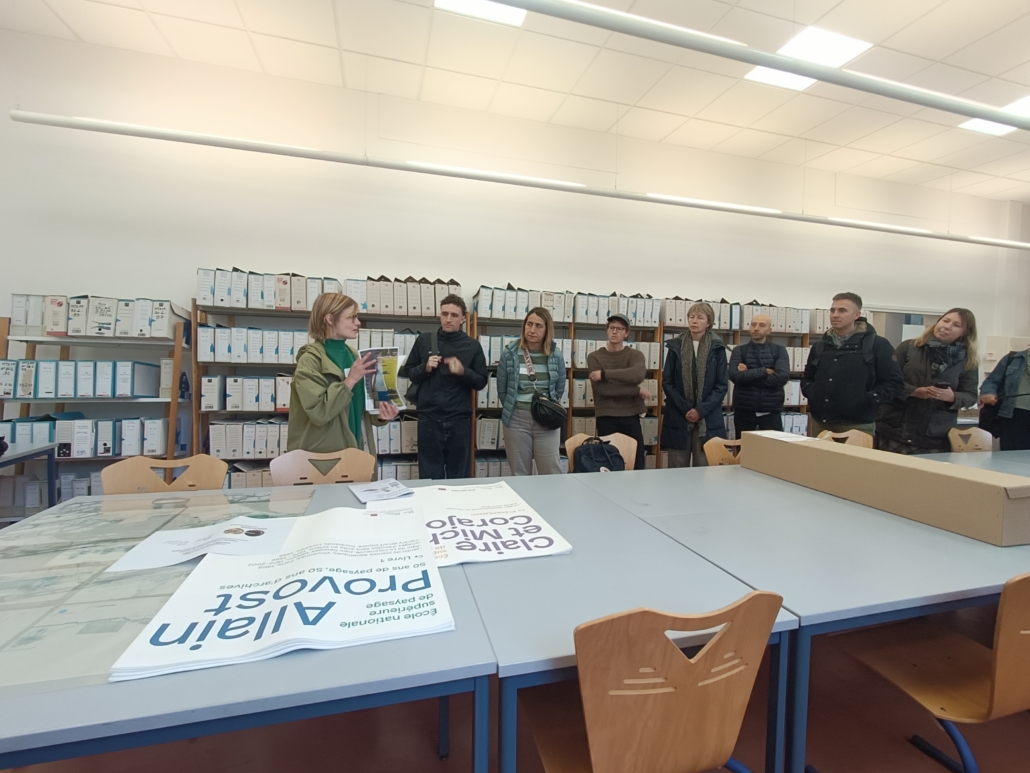
Learning visits to archival institutions, Centre d’archives d’architecture contemporaine (CAPA) in Paris, the Archives du Château de Versailles, and the landscape architecture school in Versailles, École nationale supérieure de paysage in Versailles, provided insights into archival organization, management practices, acquisition processes, database systems, and the impact of financial structures, contributing to the future Manual on Archival Management. 


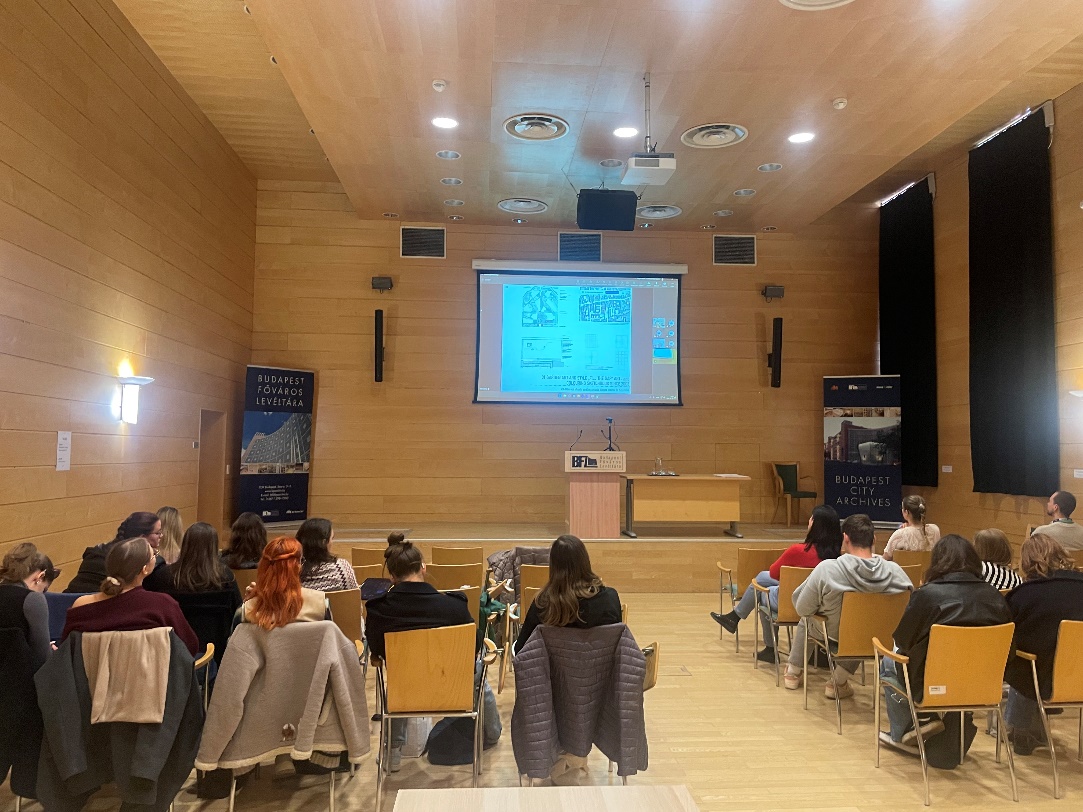
2026 WG1 Hybrid Meeting, Budapest – Exploring landscape architecture through archival records

  • Date: 10th April 2026
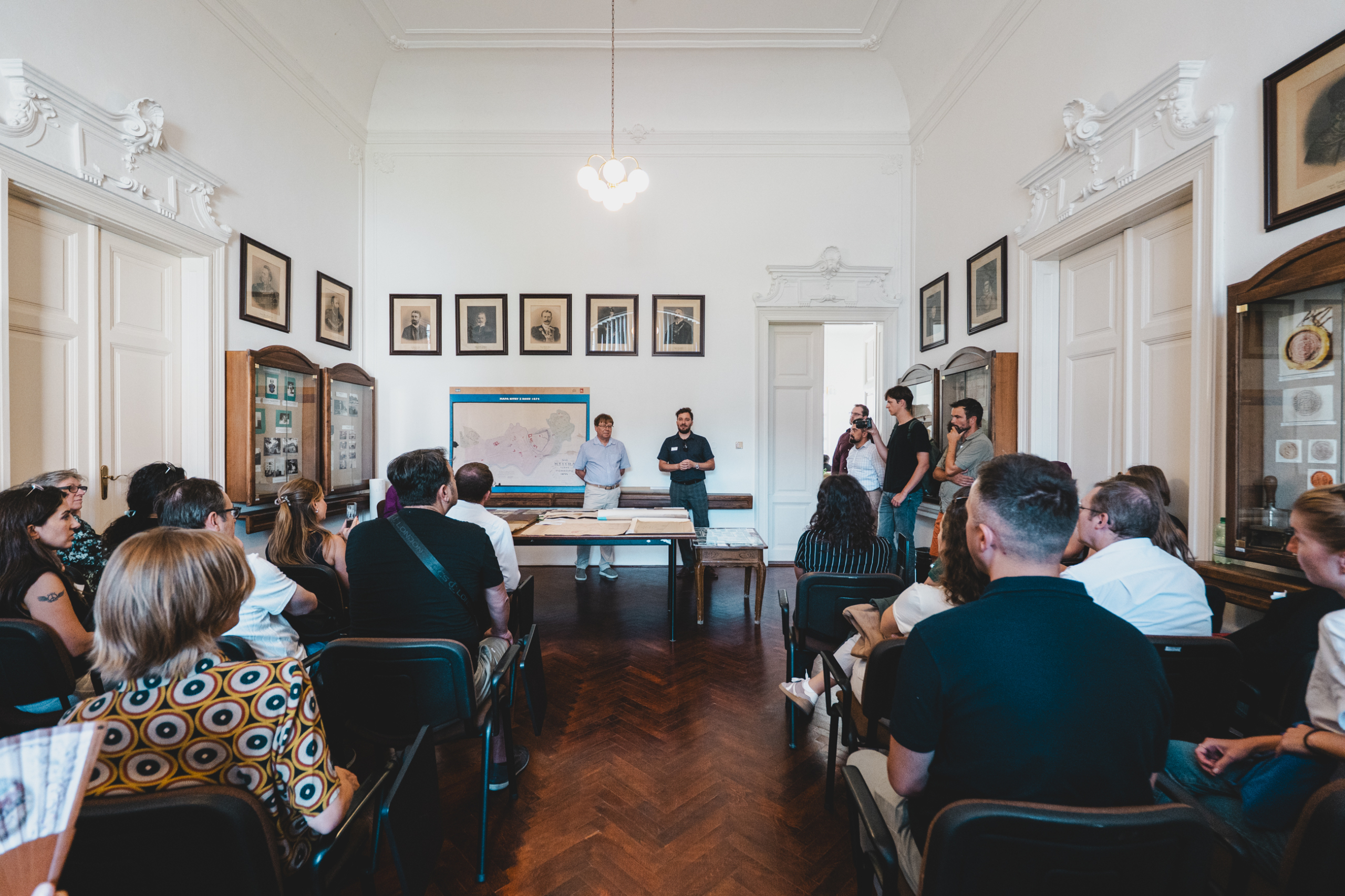
  • Venue: Budapest City Archives (BFL)
  • Organised by: Budapest City Archives (BFL), Ormos Imre Foundation (OIA), Hungarian University of Life Sciences (MATE)
  • Participation: F2F: 21 persons (BFL staff, teachers and students from MATE), online: 5 persons ConnectLAA members

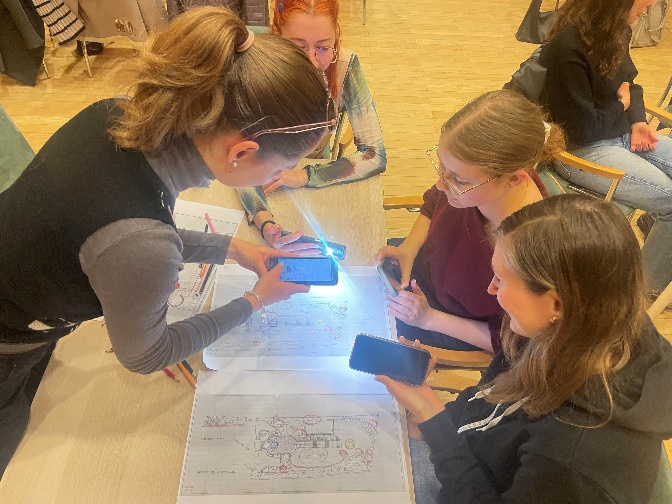
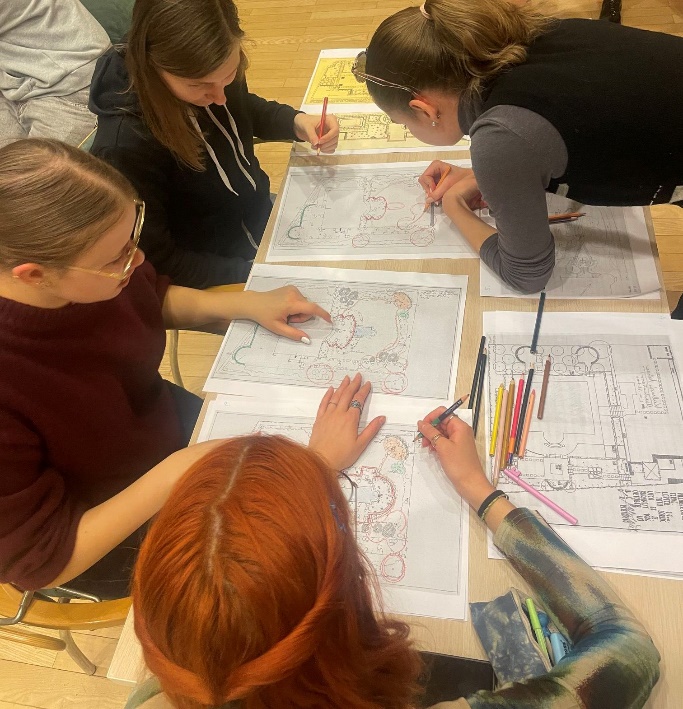
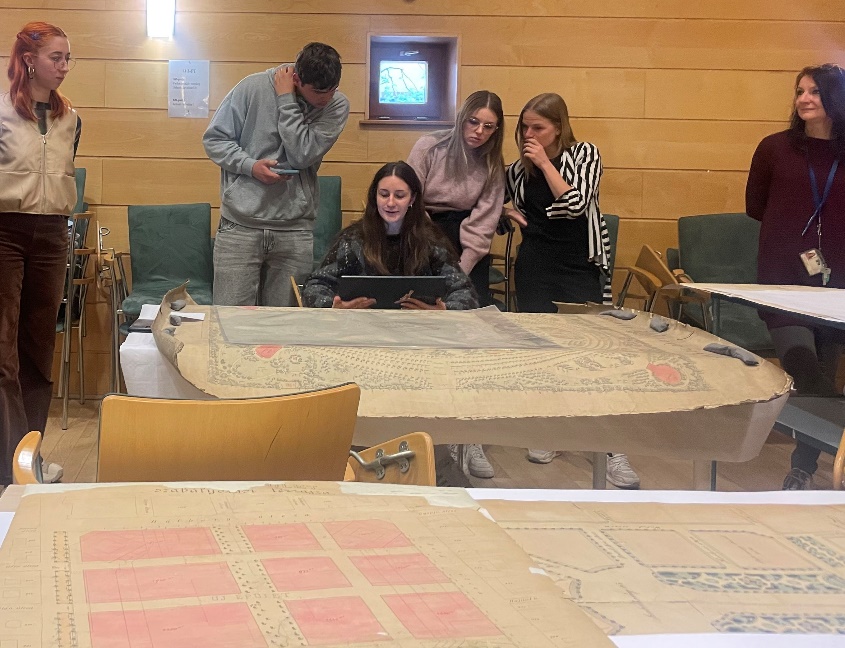
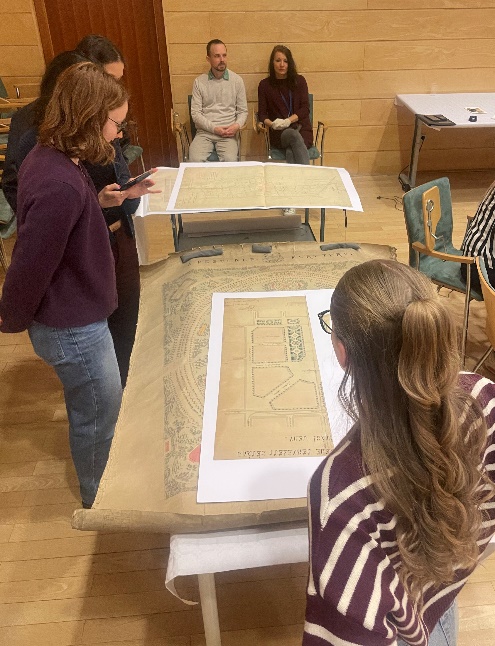
The workshop focused on exploring the role of archival records in landscape architecture research, education, and practice. Participants were introduced to the structure and organisation of the Budapest City Archives, learned how to navigate archival catalogues and finding aids, and gained insight into the processes through which historical documents become accessible archival records. Discussions also highlighted the educational potential of landscape architecture archives across different age groups and explored interoperability challenges and opportunities for improving access to archival materials within the discipline.

Focus / Topics: 

How is an archive structured/organized? How to search in the BFL archival catalogue? What is a finding aid or unit description good for? 

Work processes in the archive: what happens with documents before becoming searchable archival records? 

How to use LA archival documents for educational purposes across different age groups? What kinds of interoperability needs exist to better explore specific subject areas in LA?

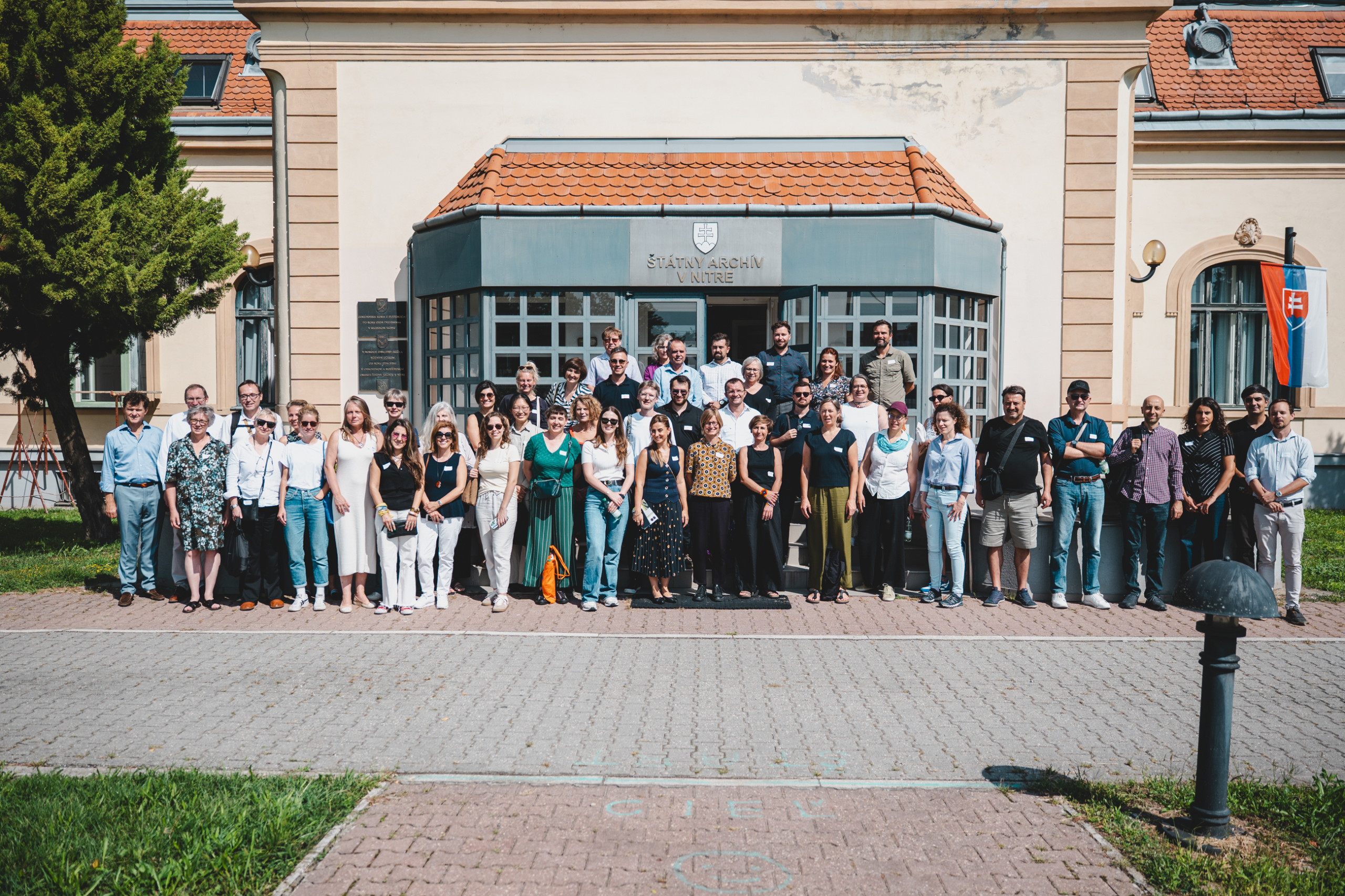
ConnectLAA 2st General Meeting in Nitra, Slovakia

  • Date: 5–6 September 2025
  • Venue: Faculty of Horticulture and Landscape Engineering, Slovak University for Agriculture, Nitra
  • Organised by: Attila Toth and Core Group

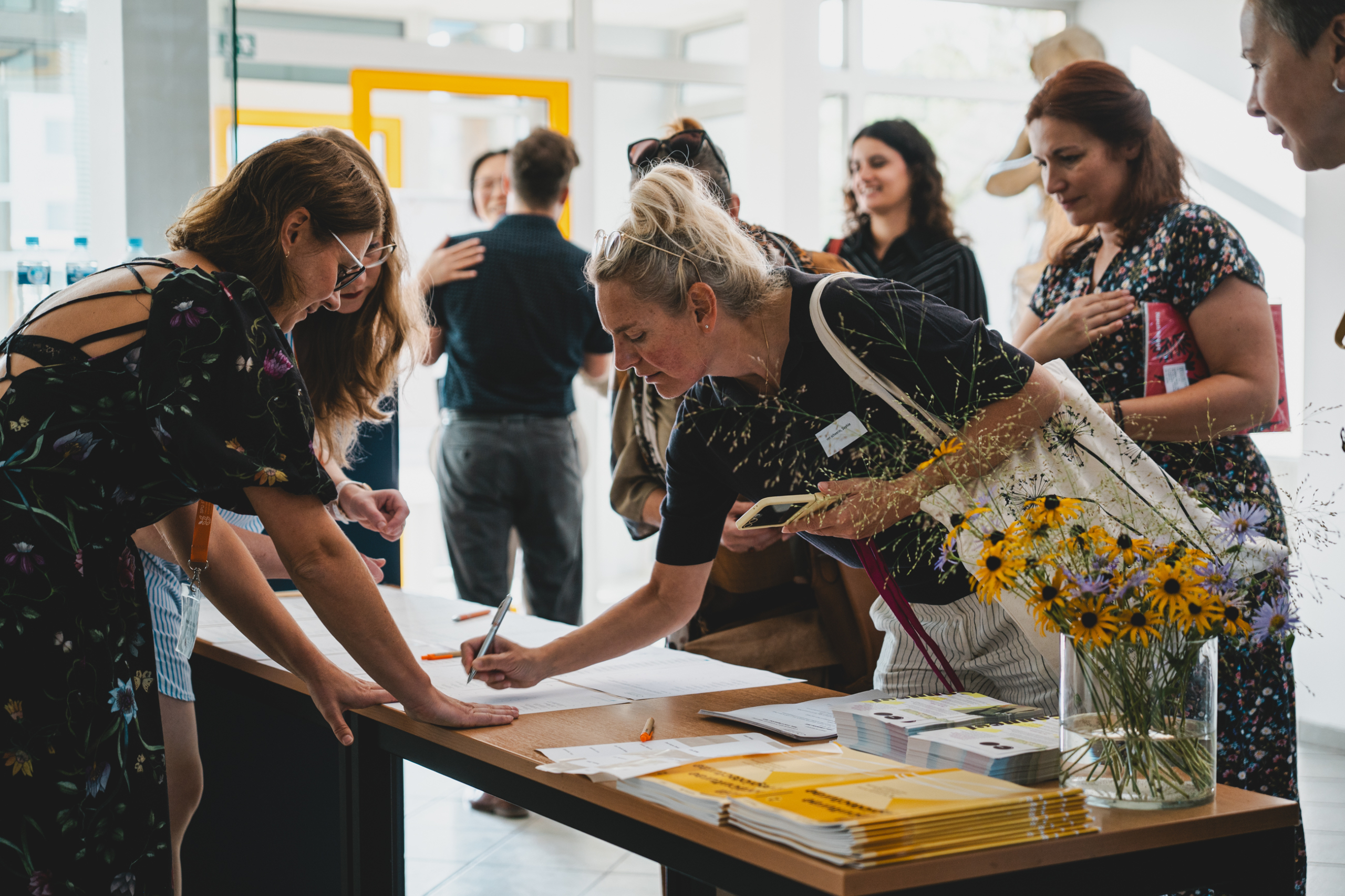
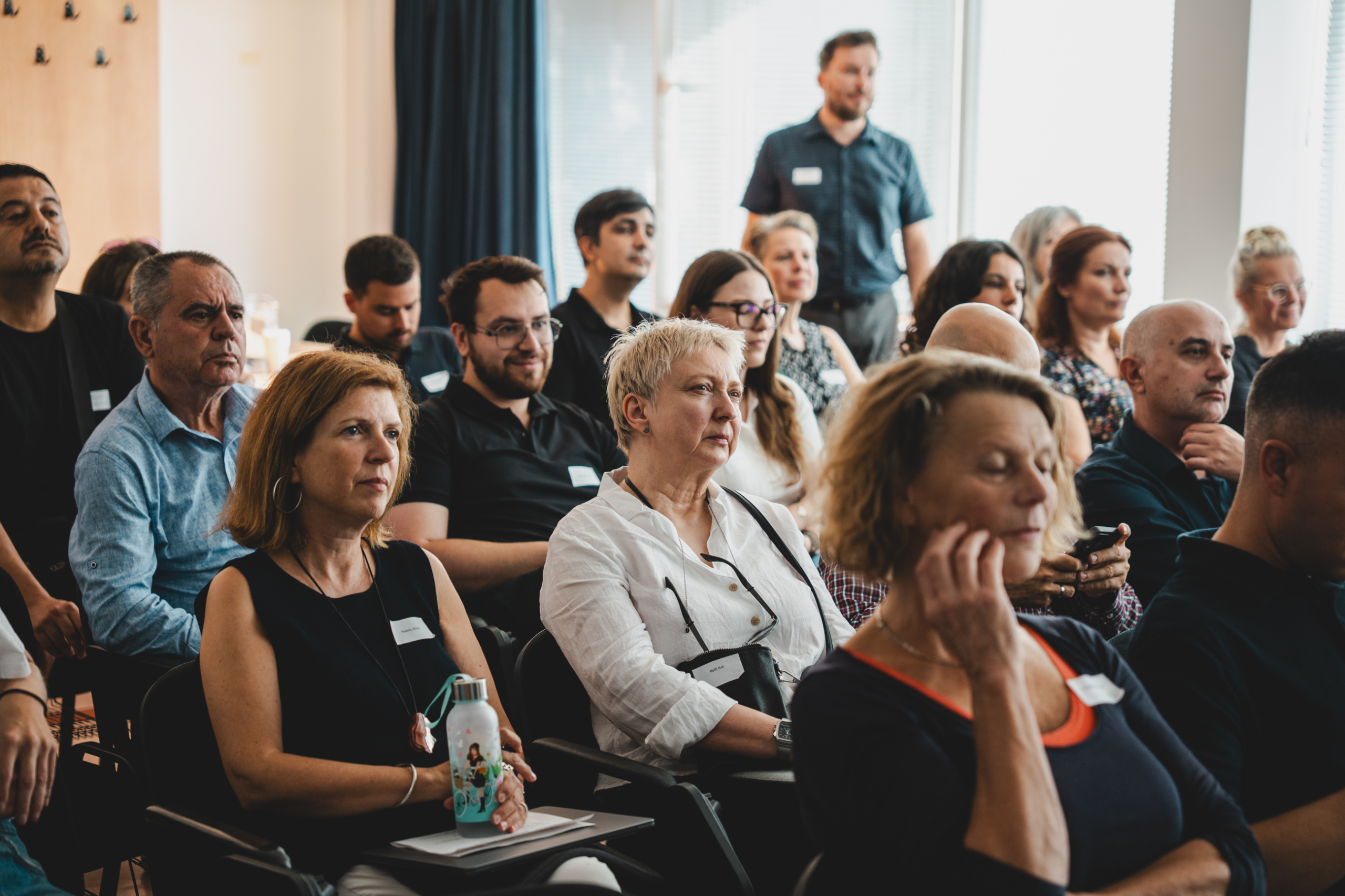
The main goals of this meeting were to develop a shared experience and vision for the entire Action, and to organize intensive working sessions led by the WGs. In addition to workshops focused solely on specific working groups, cross-working-group sessions were held. Participants assigned themselves to on-site sessions. 

Workshop WG1: Transfer archival knowledge to support LA archive management and operation 

Participants discussed the programme for year two, focusing on how to build on the knowledge accumulated in the first year and how to contribute to the future manual dedicated to LA archives and stakeholders. The session also involved brainstorming ideas for the Manual of Good Practices and how STSMs and WSs can contribute solid data to this task. A new inventory sheet documenting existing archives and collections was also presented; this will serve as the basis for a future online map. 

Joint workshop: WG1 and WG2 

This session aimed to foster cross-group collaboration by bringing together all WG1 participants (archivists) and WG2 participants (researchers) to brainstorm potential joint activities and identify how the working groups could support one another moving forward. 

Workshop WG2: Enhance the use of LA archives for research and practice 

This workshop aimed to encourage the use of archives in landscape architecture (LA) practice for new designs and site renovations, and to promote interdisciplinary approaches with other fields. This would involve integrating landscape architecture/design history into architectural history dialogues and situating this within a broader historical context. 

Joint workshop: WG1 + WG3

This session aimed to encourage collaboration between the groups by bringing together participants from WG1 (archivists) and WG3 (educators). The participants were asked to brainstorm potential joint activities and identify ways in which the groups could support each other in the future.   

Workshop WG3: Enhance education through the use of archives 

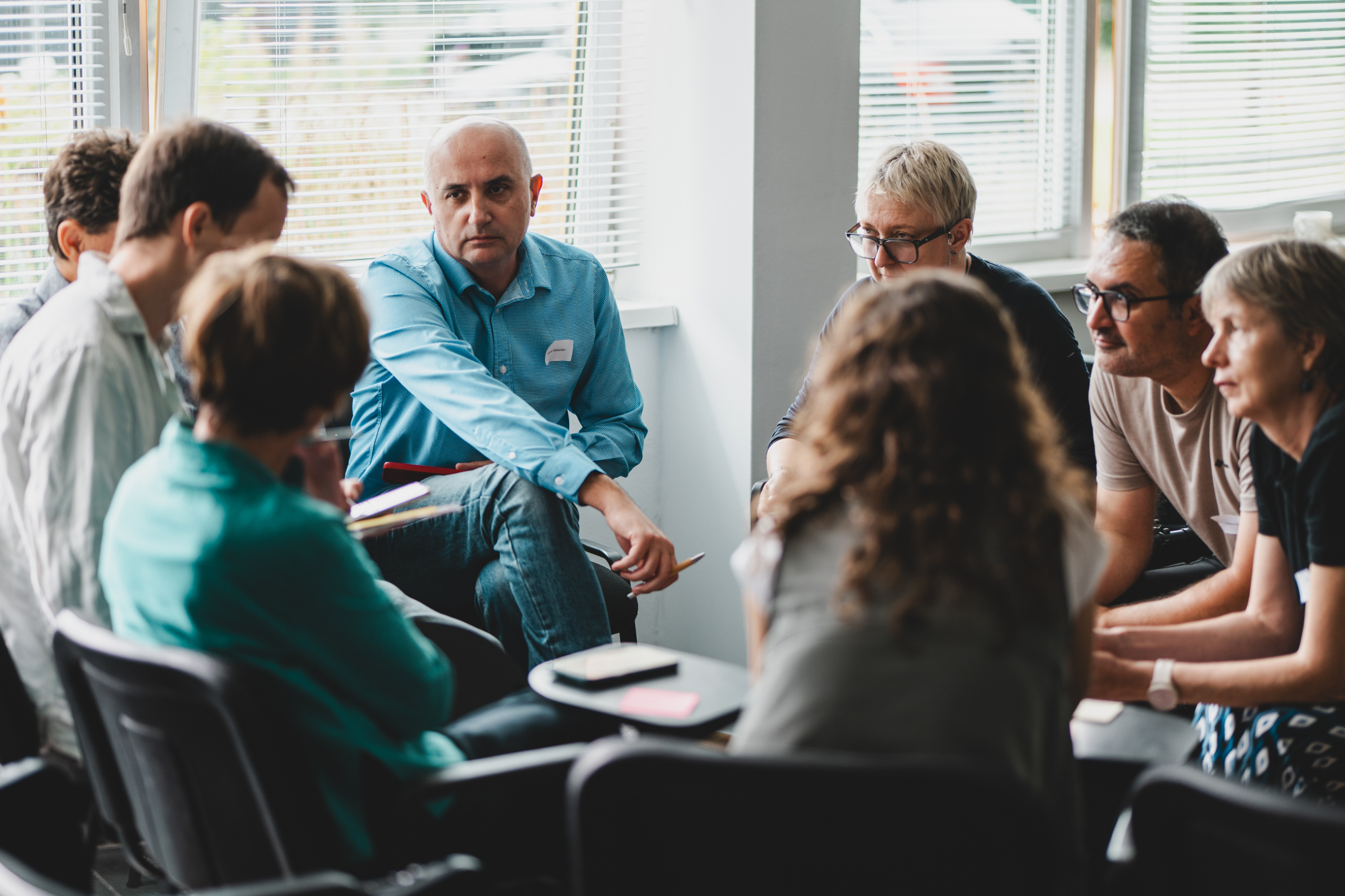
Participants discussed the following questions in small groups: 1) Discuss trends and developments in education, and 2) Discuss the relevance of teaching with archives. How do they align with your needs and wishes? The following relevant trends were discovered: Climate change, AI, digitisation, critical thinking, lifelong learning, and transdisciplinarity. Accordingly, the relevance of teaching with archives was highlighted in terms of adaptive cases, better links, doubtful reliability, the possibility of virtual archives, providing alternative perspectives, and the need to collaborate with archivists, engineers, scientists, etc. 

 Joint workshop: WG3 + WG4 

WG4 recruited a member from WG3 to act as a communication agent, responsible for requesting information from WG3, and as a content collection manager: Sara Djordjevic. Discussions took place about how the connections between the two working groups might work (e.g. quarterly mini group meetings). The use of a Teams channel for collaboration was discussed, as well as the next deliverables and other ideas and suggestions. 

Workshop WG4: Communication and dissemination 

The main aim of the workshop was to raise awareness of archives and showcase their contents. To this end, connected exhibitions are planned. Various platforms were discussed, with Instagram being chosen as a possible medium.  
ConnectLAA 1st General Meeting in Budapest, Hungary

The main goals of this meeting were to stimulate the working process, share information about the Action and exchange experience related to landscape architecture archives, as well as to discuss the next steps for the Action and its working groups (WGs). 

The event lasted two days, and participants were actively engaged in the WG sessions. Participants also had the opportunity to attend sessions of other WGs. This helped to create an initial, broad common knowledge base within the Action. Participants were assigned to sessions on site. 

WG1 workshop: ‘Inventory existing archives’ 

The objective of the WG1 workshop was to identify and categorize landscape architecture archives and repositories based on the general criteria outlined during the first Working Group online meeting. A brainstorming session was initiated to explore methods for collecting information on best practices. Additionally, the participants started mapping different archive locations across the Action countries, which were sampled in a Google Maps application. 

WG2 workshop: ‘Enhancing the use of landscape architecture archives for research and practice’ 

This in-depth workshop focused on mapping users’ needs, experiences and expectations concerning the accessibility, operation and information of landscape architecture (LA) archives and archival repositories. Participants were asked to bring an example of archive material that they found particularly interesting and/or important for their work, in digital form.  This served as a starting point for a discussion about how archival sources influence and improve work, design, and research. At the end of the second workshop, further WG2 activities were planned, with a particular focus on identifying research gaps related to LA archives. 
WG3 workshop: ‘Enhancing Education Through the Use of Archives’ 

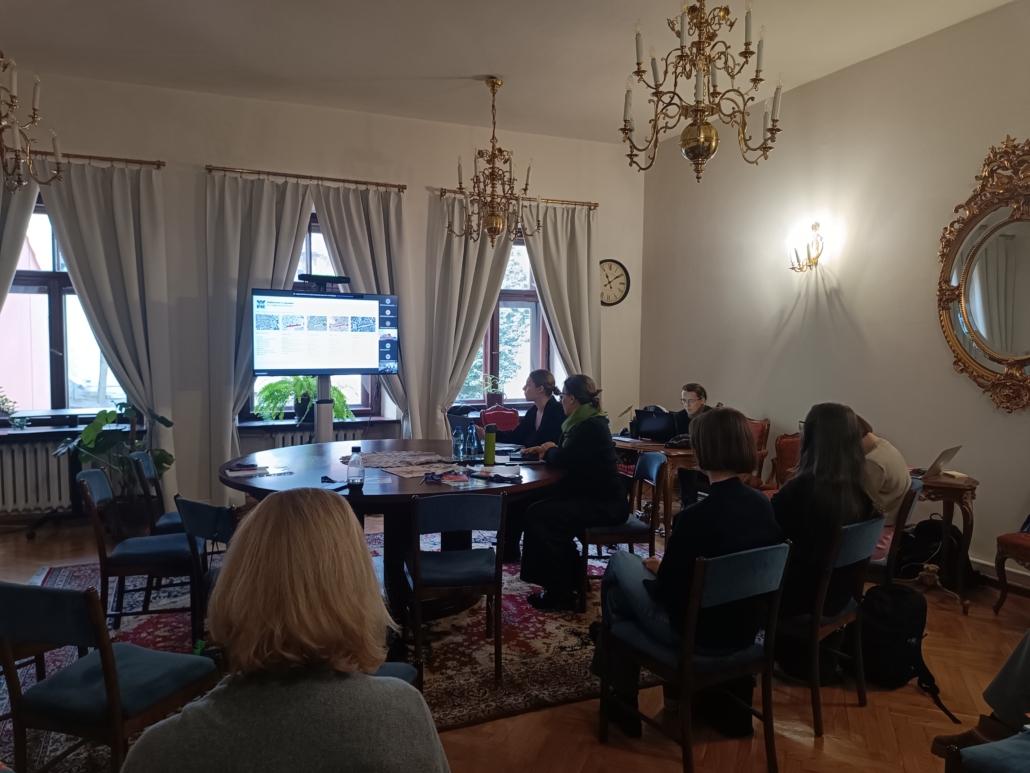
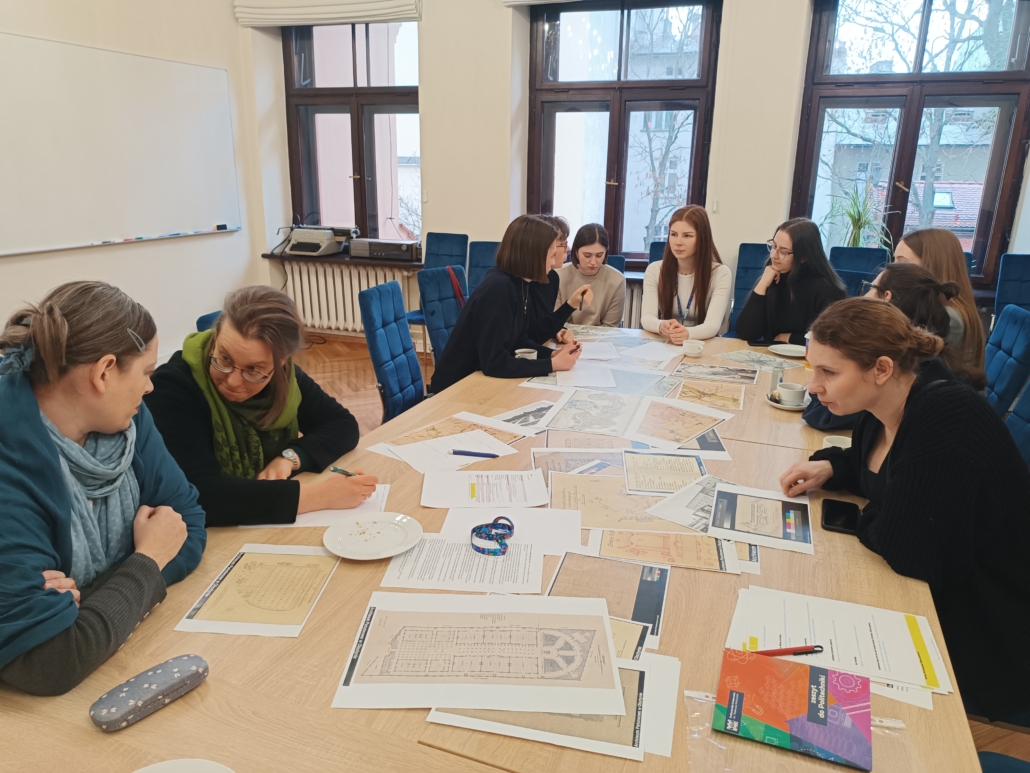
Exploring how archival material is used in education, including the types of courses it is used for, the learning objectives it supports, and how it is used. Participants shared their experiences of using archives in education. These insights will inform the preparation of the next two workshops in 2025, which together will provide an in-depth understanding of the current use of archives in education. This will contribute to a catalogue of teaching methods and tools and form a basis for developing other innovative educational uses. 

 WG4 workshop: ‘Communication and Dissemination’ 

This workshop focused on developing effective and targeted communication methods, forms and tools for European landscape architecture archives, from the perspectives of LA archive management and operation, and the use of LA archives for research, practice and education. Members of all working groups exchanged ideas and brainstormed what, how, and to whom should be communicated to achieve the best possible communication and outreach. We are looking for inspiring ideas, experiences and discussions.