Organised by:Dr.ir. Marlies Brinkhuijsen, Dr. Lei Gao (WG3 leaders)
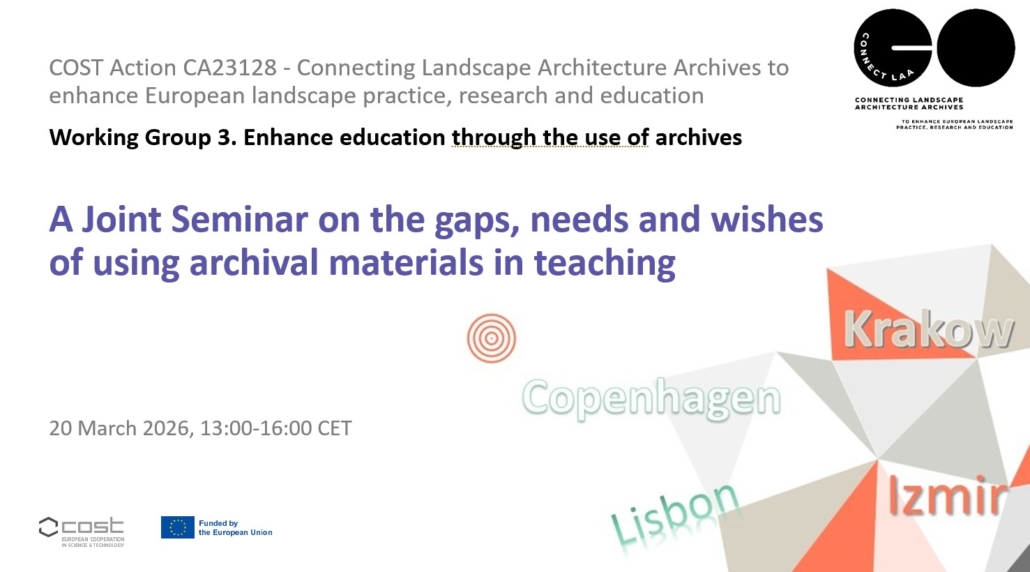
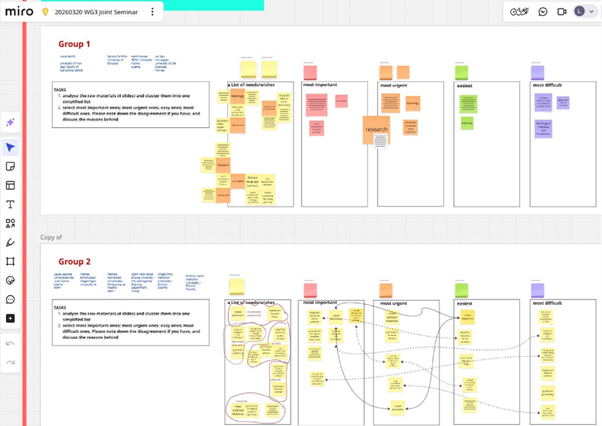
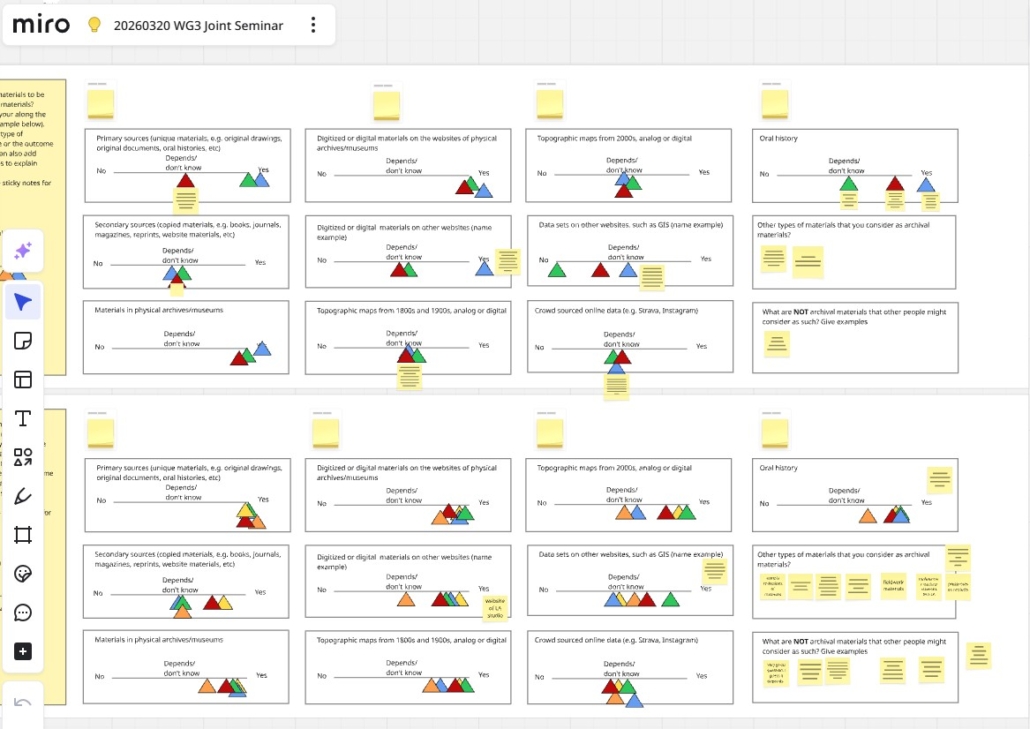
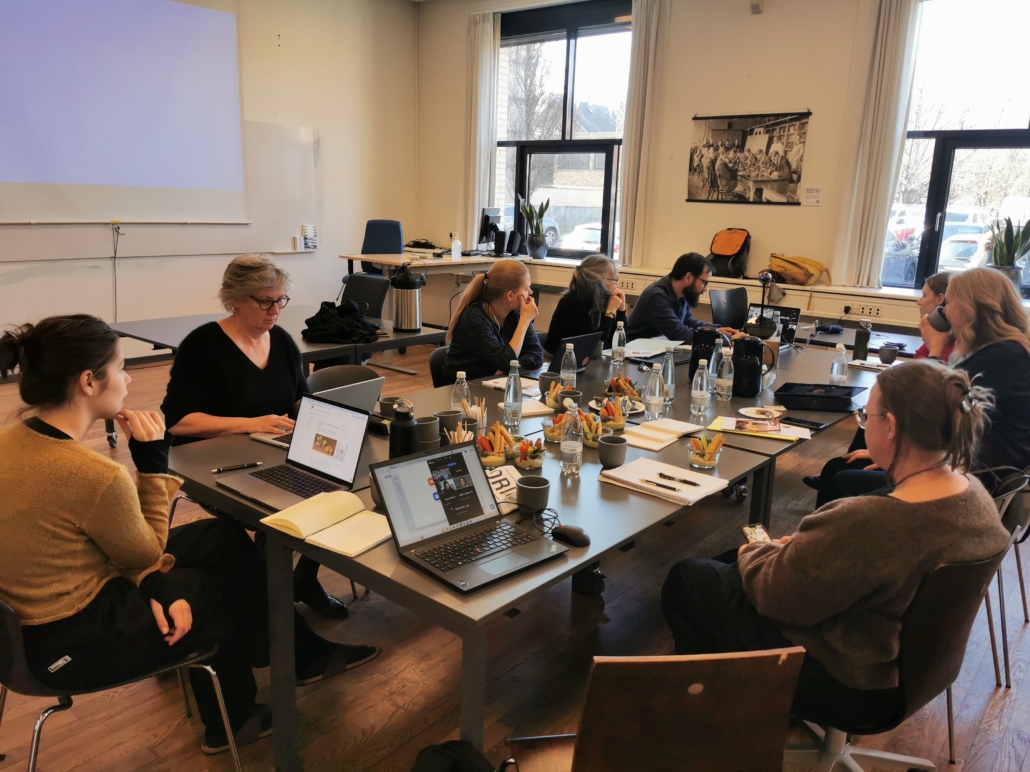
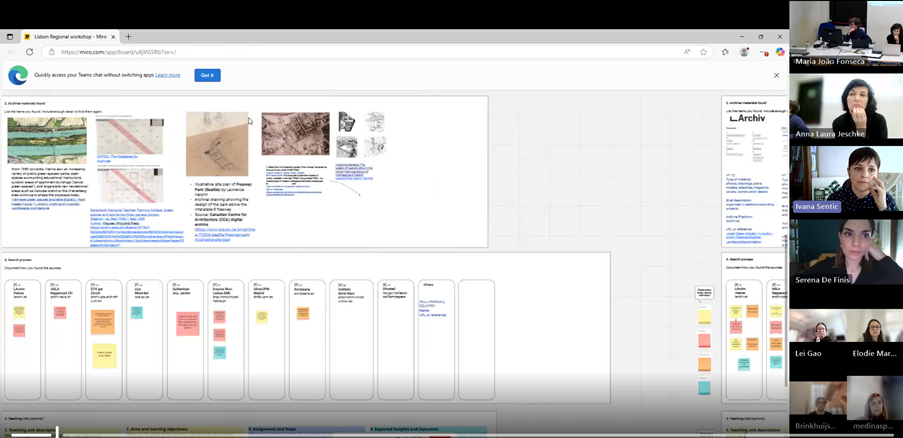
WG3 organised a joint online seminar to synthesise findings from the four Regional Workshops held between January and March 2026. During the seminar, Regional Workshop organisers reported their specific working methods and results; participants then took part in two interactive activities on the Miro platform to summarise key findings and define what constitutes “archival materials” in the context of landscape architecture education.
Two short surveys were conducted during the seminar to understand the current state of, and interest in, involving archives in teaching. The results indicated a clear demand for improving archival literacy among teachers and researchers, as well as an increased interest in integrating archival materials into teaching practice. As no students participated in the joint seminar, their perspectives were not represented in the survey results and will be sought through other means.
https://connectlaa.eu/wp-content/uploads/2026/05/joint-seminar_front-page.jpg8201477Lazar Pavlovichttps://connectlaa.eu/wp-content/uploads/2026/03/logoco.pngLazar Pavlovic2026-05-10 11:49:112026-05-10 11:49:11Joint WG3 Seminar: Gaps, Needs and Wishes of Using Archival Materials in Teaching
Venue:University of Copenhagen, Denmark and online
Organised by:Prof. SvavaRiesto (Department of Geosciences and Natural Resource Management, Copenhagen University) and Tina Lund (Archivist, Copenhagen University Library)
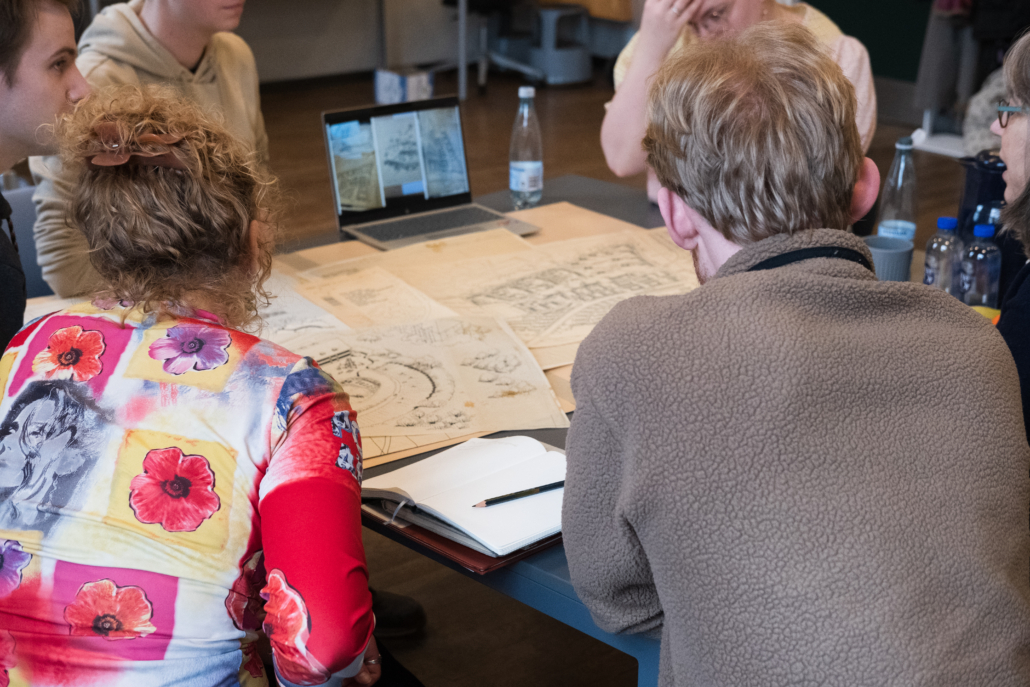
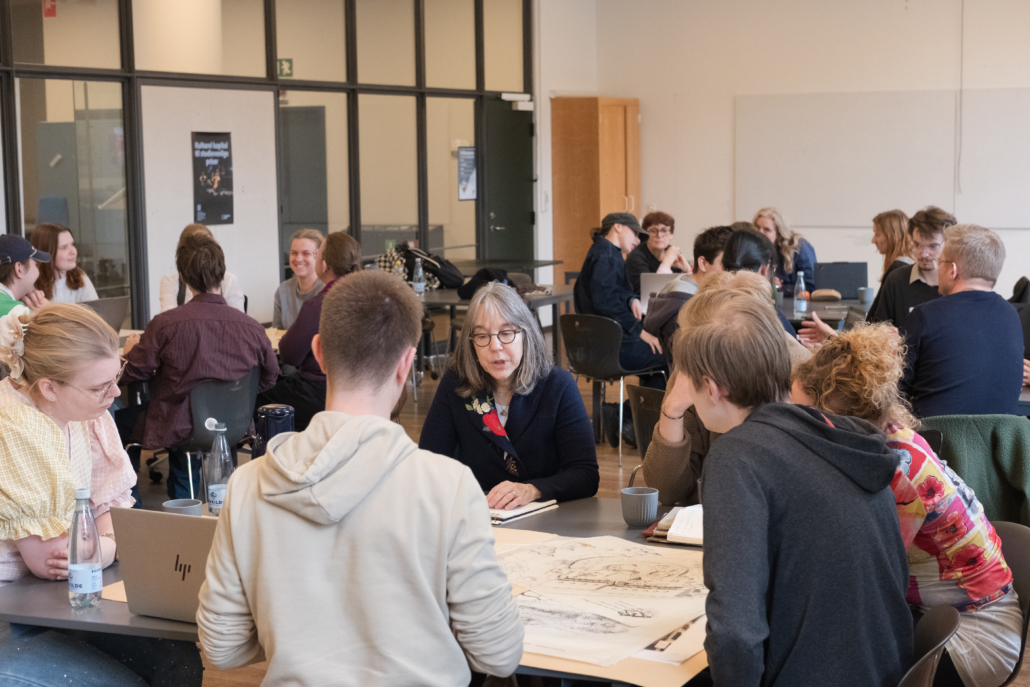
In 2026, WG3 members organized four Regional Workshops. The overarching aim of these Regional Workshops is to initiate dialogue between teachers and students to identify their wishes and needs, and if possible, to start co-creating new methods and tools for using landscape architecture archives and archival materials in education. This co-creation process will continue into 2027.
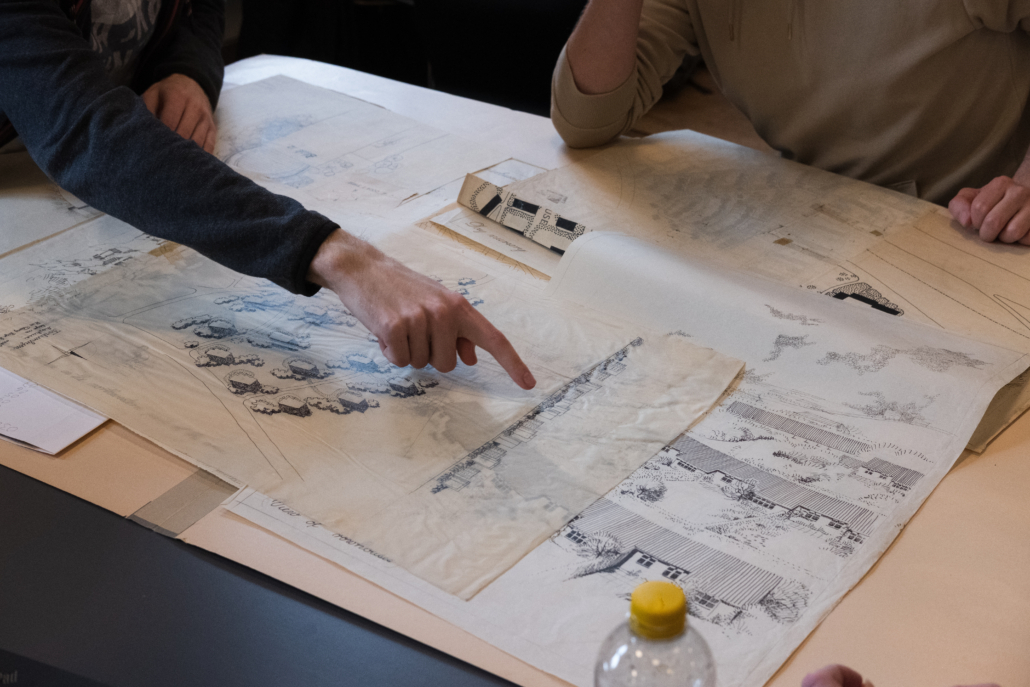
“As teaching is becoming increasingly digitized, educators and students alike are fascinated by the analogue and tangible world of historical archives. Indeed, historical collections are valuable spaces for discovery, learning, inspiration, reflection, and wonder. Archival objects such as drawings, letters, photographs, and diaries can tie us closer to past experiences and help us practice long-term thinking, which is needed as we attempt to create more sustainable futures for landscapes and cities.
Yet, far from being neutral mirrors of the past, archives are social constructs and, as such, have many gaps, too; every archive has its missing links, hidden or forgotten material, and even more absences in the sense of things that were never considered valuable and worth collecting in the first place. These archival absences reflect what feminist writer Rebecca Solnit calls ‘strategic silences’ that can restrain certain stories from being told and places from being ‘seen’ and valued. How can we address archives as valuable places for landscape architecture education while also contributing to the critical reflection about their limitations? How can landscape architecture students and educators contribute to how archivists all over Europe are currently expanding and rethinking their collections?” (quoted from the workshop flyer, prepared by Svava Riesto)
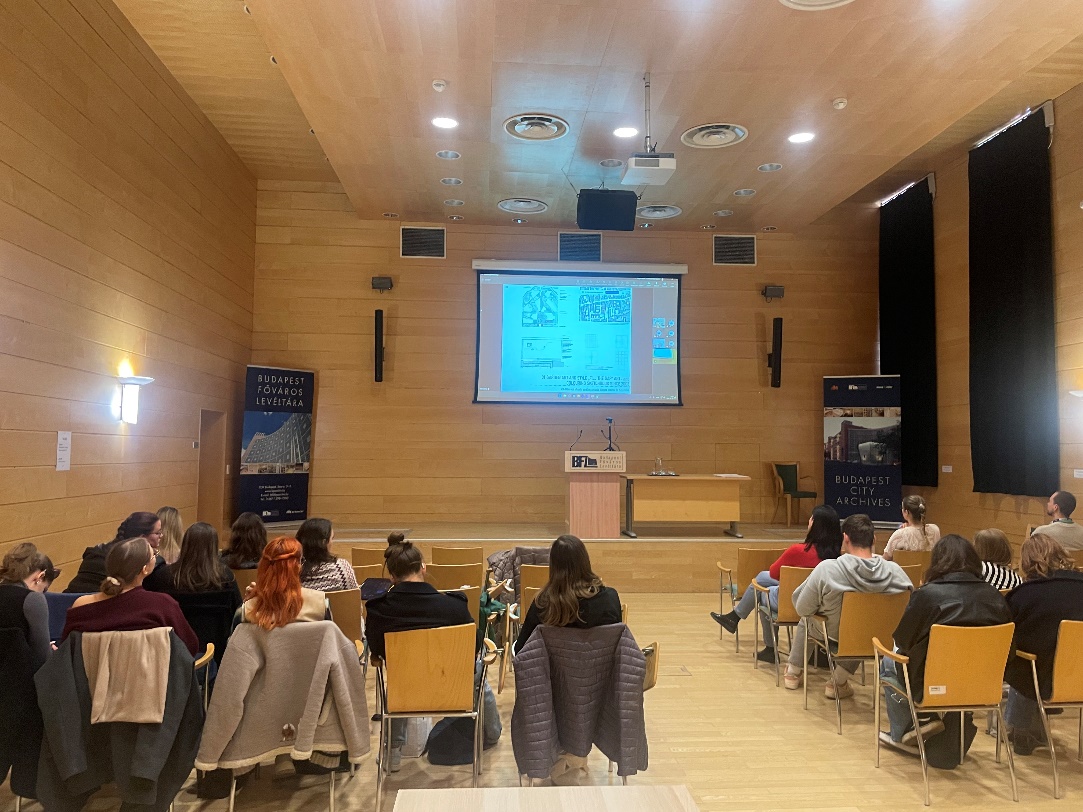
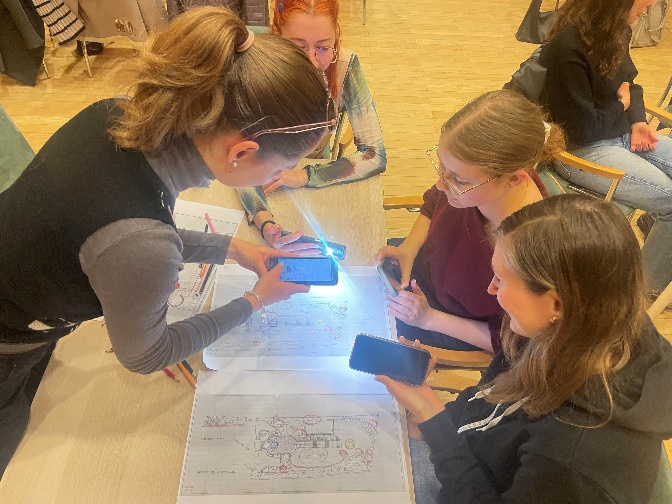
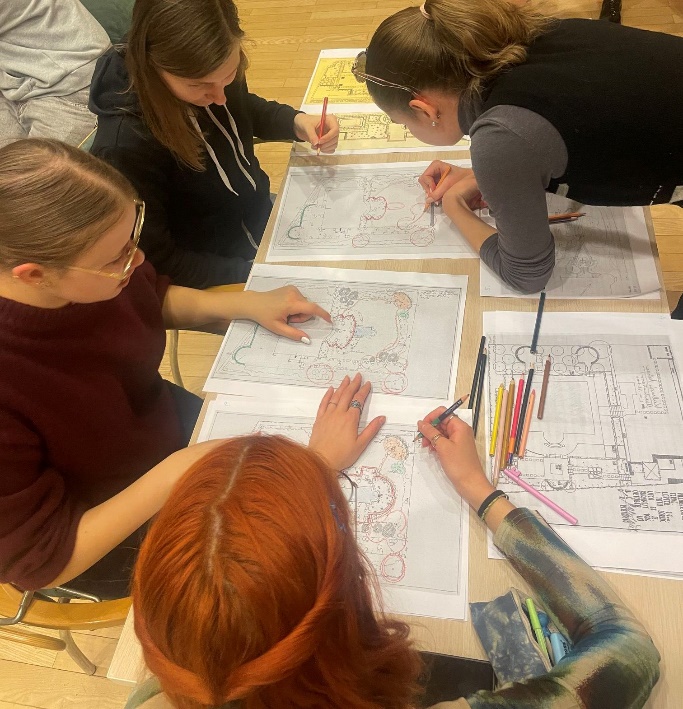
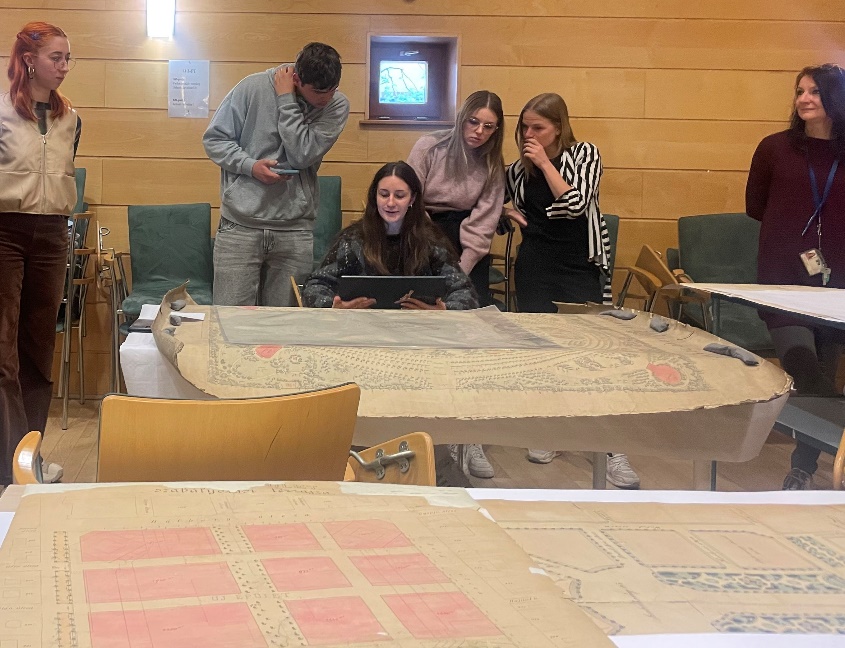
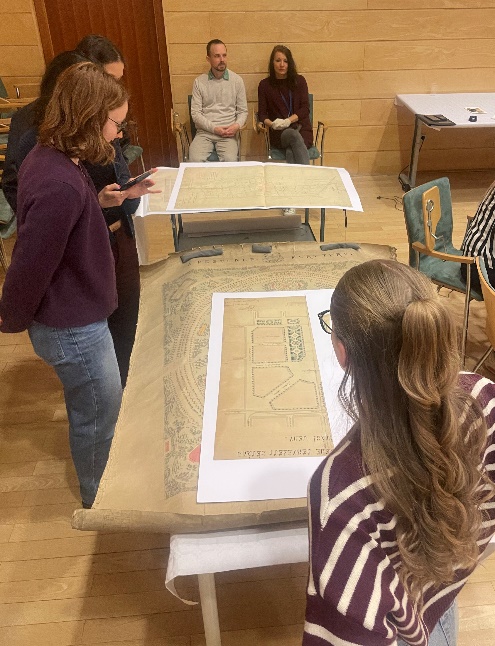
The Regionals Workshop Copenhagen brought educators from different landscape architecture programs in Northern and Western Europe, students at the University of Copenhagen, and an archivist of a specialized collection of landscape architecture drawings at the University of Copenhagen Library, to discuss, test, and reflect on ways in which archives and education can mutually enhance each other in order to stimulate historically informed practices in landscape architecture for the future.
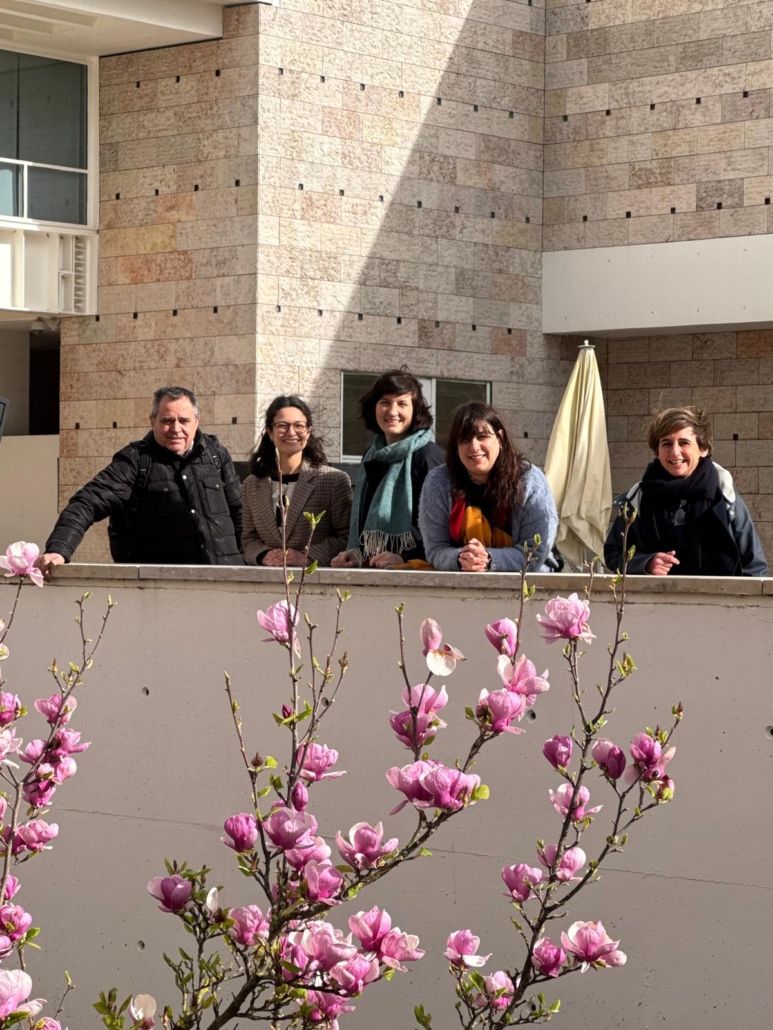
Venue:HTC-CFE, NOVA University, Lisbon, Portugal and online
Organised by:Dr. Maria João Fonseca, in collaboration with Prof. Laura Jeschke (Universidad Rey Juan Carlos, Madrid)
In 2026, WG3 members organised four Regional Workshops with the overarching aim of initiating dialogue between teachers and students to identify their wishes and needs, and, where possible, to begin co-creating new methods and tools for using landscape architecture archives and archival materials in education. This co-creation process will continue into 2027.
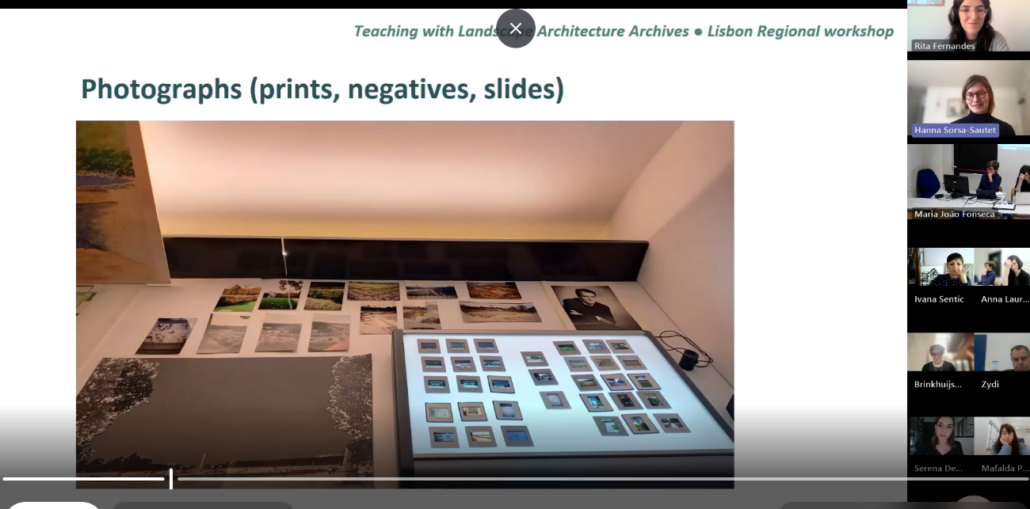
The Lisbon Regional Workshop brought together educators and practitioners to explore how online archives can be integrated into landscape architecture teaching. The day was structured in three phases.
The morning opened with two archivist perspectives: Rita Fernandes (BIG) and Hanna Sorsa-Sautet (UNESCO) presented how archives work in practice — what they contain, how they are organised, and how to search them effectively. An orientation session then introduced participants to the workshop structure and content. The core of the workshop was a 90-minute hands-on task: working in pairs, participants searched real online archives on a chosen topic and drafted a teaching unit around what they found — and what they could not find. Three surveys, administered before, during, and after the session, captured layered evidence of the barrier’s educators face: incomplete digitisation and language barriers topped the list, yet 100% of participants stated they intended to use archives in future teaching.
The workshop confirmed that the challenge is not convincing educators of the value of archives — it is giving them the practical tools to act on an intention they already hold.
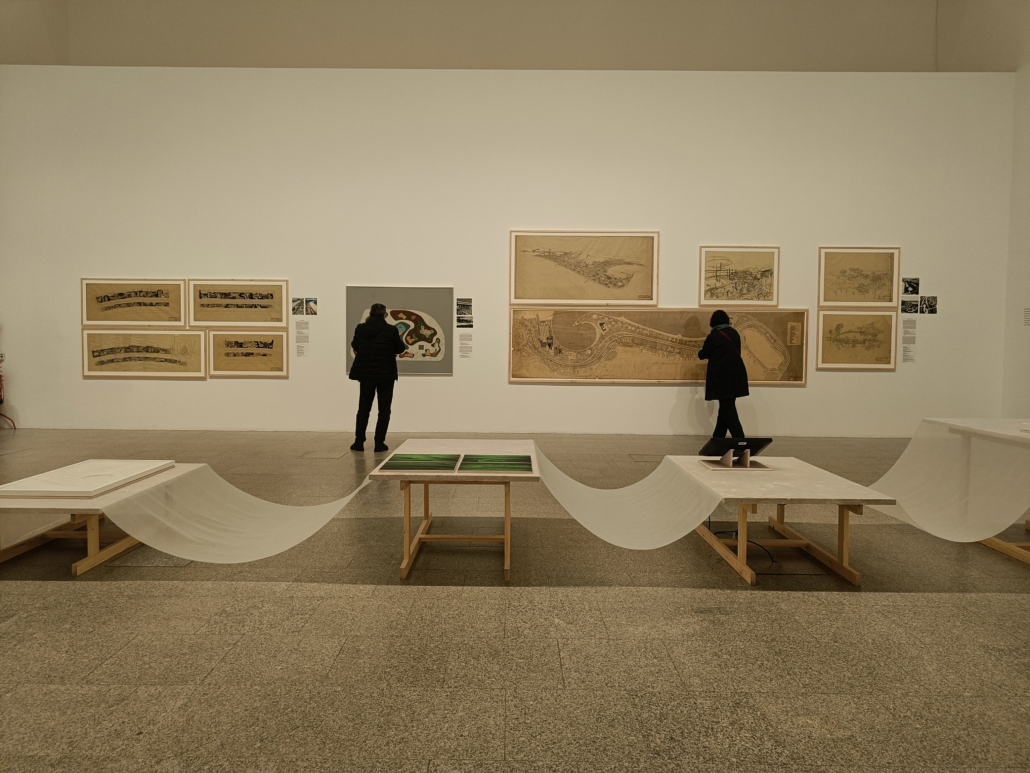
The day concluded with a group visit to the Roberto Burle Marx exhibition at the Centro Cultural de Belém — a fitting complement to the workshop’s themes of designed landscape and archives.
Venue:Cracow University of Technology, Kraków, Poland
Organised by:Dr. Anna Staniewska
In 2026, WG3 members organised four Regional Workshops with the overarching aim of initiating dialogue between teachers and students to identify their wishes and needs, and where possible to begin co-creating new methods and tools for using landscape architecture archives and archival materials in education. This co-creation process will continue into 2027.
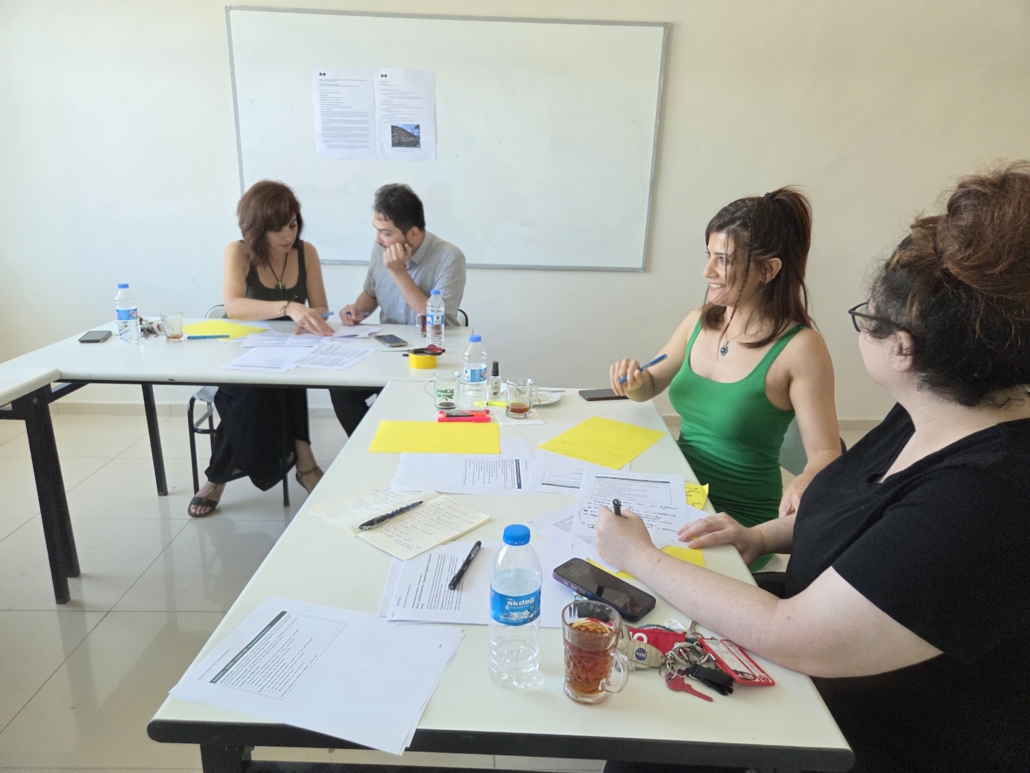
The morning session featured three case studies on the use of archive materials in landscape architecture education. Dr. Katarzyna Hodor and Oliwia Szadkowska demonstrated the use of archives for historical-compositional studies of parks and gardens; Dr. Monika Bogdanowska presented Janusz Bogdanowski’s sketchbooks as a tool for understanding design through drawing; and Dr. Anna Steuer-Jurek showed how historical maps can be used to trace physical changes in composed landscapes.
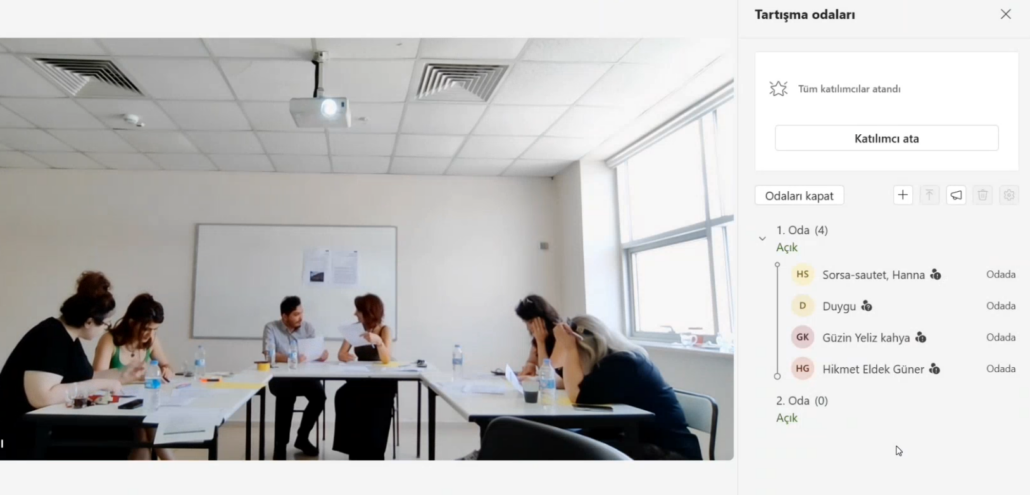
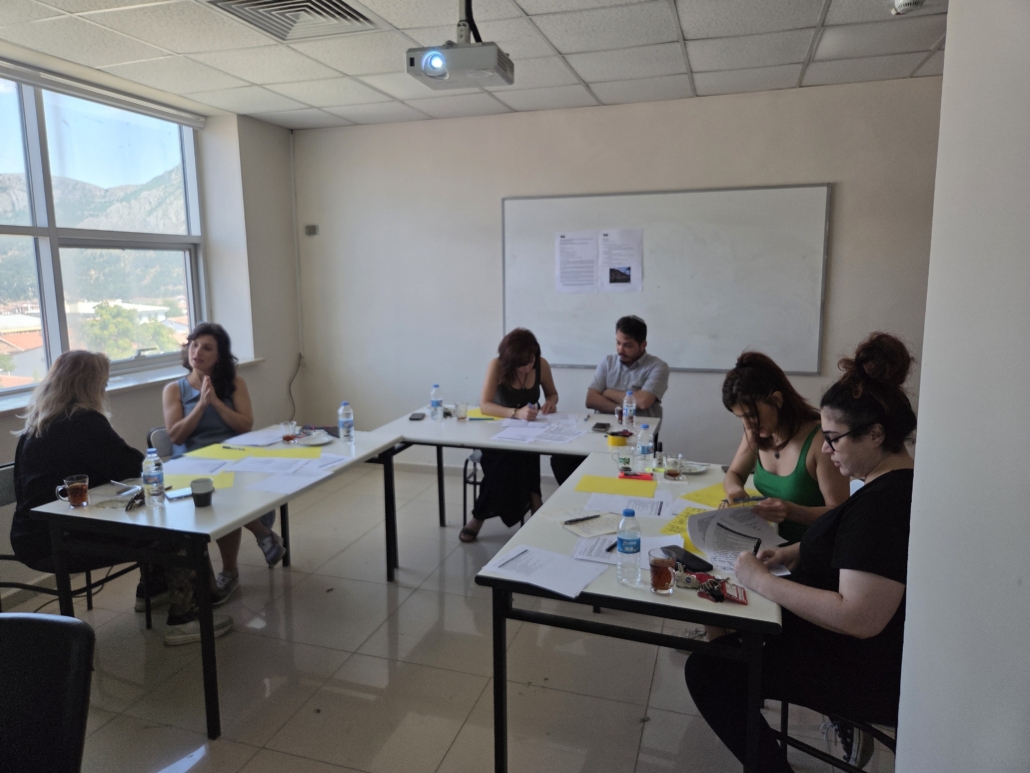
The afternoon consisted of a brainstorming session – conducted in parallel online and onsite – in which participants discussed innovative ways of using archival materials in education and identified key gaps, needs, and wishes around archive use in teaching.
WG1 continued the online Best practices – lectures on WG1-related topics with two presentations on Iberian Landscape Architecture Memory on AtoM, and on the Roadmap for the digitisation of Landscape Architecture records.
Maria João Fonseca gave a presentation on an ongoing project called ILAM (Iberian Landscape Architecture Memory) and how this initiative is taking place on AtoM. Maria showcased in practice how to introduce an online archival description application in a simple and replicable way for future projects. The project will go public in June 2026.
Hanna Sorsa-Sautet presented a roadmap for the digitisation of Landscape Architecture records, based on a report on a recent Short-Term-Scientific Mission carried out at BOKU University in February 2026.
The meeting focused on planning and coordinating the Year 2 program. Participants discussed the main elements of the program, including key dates and locations for upcoming activities and events. Responsibilities for the different tasks were distributed among the partners to ensure effective coordination and implementation of the planned actions.
Updates were also provided on the progress of Short-Term Scientific Missions (STSMs), as well as on the organization of hybrid and online meetings. In addition, the participants reviewed the status of the inventory map and surveys, highlighting ongoing developments and next steps. Overall, the meeting aimed to strengthen coordination and ensure the smooth progression of Year 2 activities.
https://connectlaa.eu/wp-content/uploads/2026/05/Screenshot-from-the-presentation-by-Katalin-Takacs.png7321308Lazar Pavlovichttps://connectlaa.eu/wp-content/uploads/2026/03/logoco.pngLazar Pavlovic2026-05-10 10:49:162026-05-10 10:58:312026 WG1 Online meeting on Year 2 program and activities
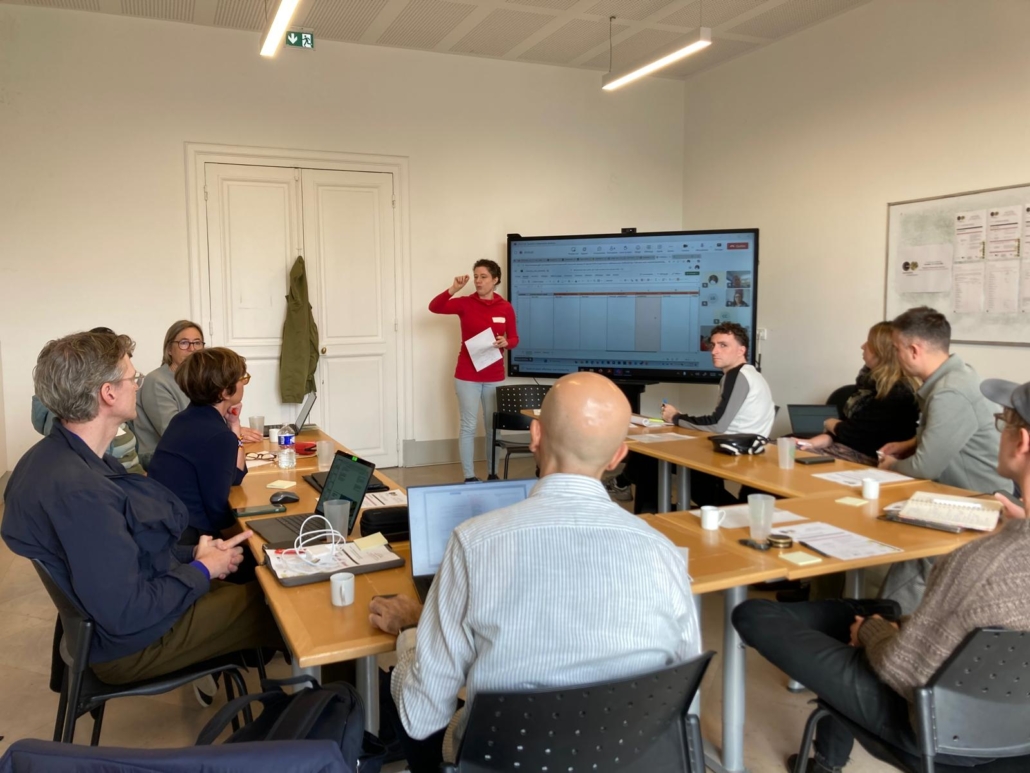
Host:Hanna Sorsa-Sautet, École nationale supérieure de paysage, Versailles
Organised by:KatalinTakács, Hanna Sorsa-Sautet (WG1 leaders)
This two-day event brought together experts and practitioners to explore the future of collaborative archives in landscape architecture, heritage preservation, and beyond, with 11 participants attending onsite and 10 joining online.
The meeting focused on advancing WG1’s collaborative inventory roadmap through metadata and technical planning for the online archive map, brainstorming second-year activities and STSM initiatives, reviewing the Madrid Roadmap outcomes, and gaining archival management insights through learning visits in Versailles and Paris.
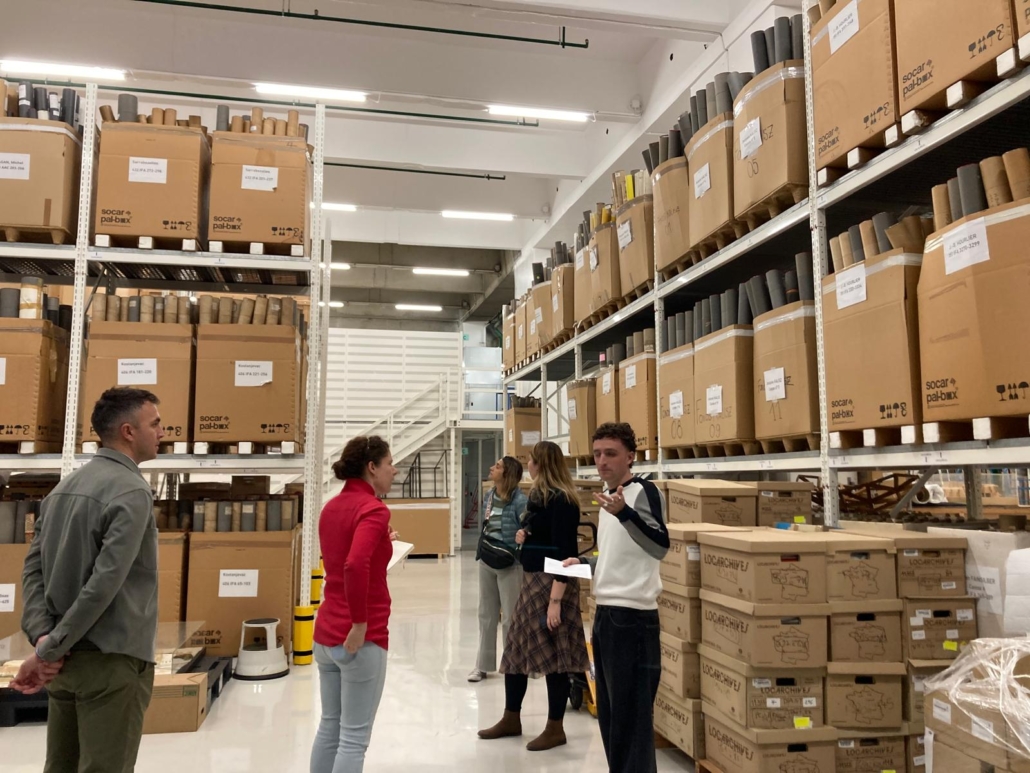
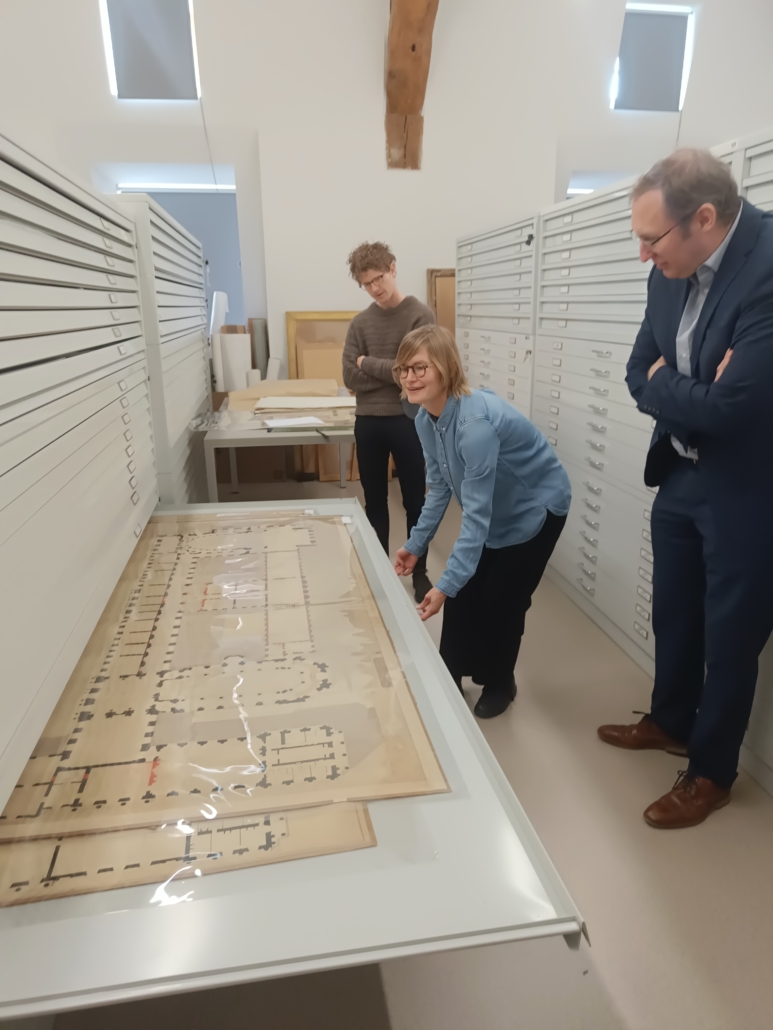
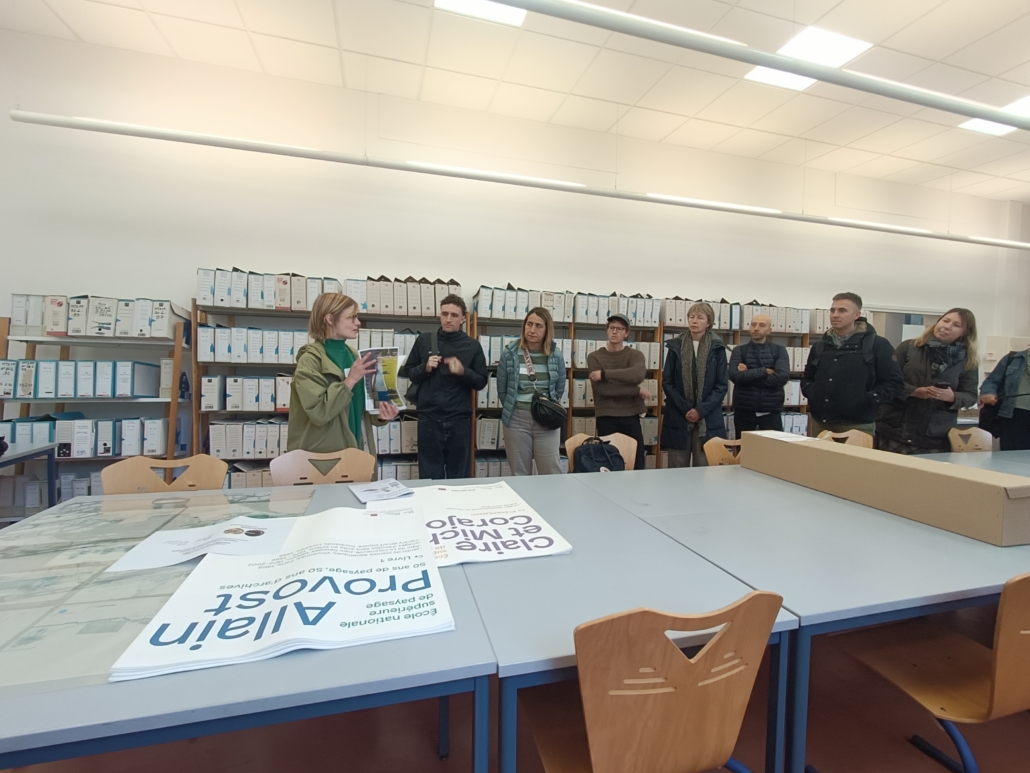
Learning visits to archival institutions, Centre d’archives d’architecture contemporaine (CAPA) in Paris, the Archives du Château de Versailles, and the landscape architecture school in Versailles,École nationale supérieure de paysage in Versailles, provided insights into archival organization, management practices, acquisition processes, database systems, and the impact of financial structures, contributing to the future Manual on Archival Management.
This website uses cookies. You can learn about the types of cookies and their functions by clicking Settings and exclude certain cookies. By clicking Accept All, you consent to the use of all cookies. For more information on how we handle your personal data, please visit our Privacy Policy.
This website uses cookies for different purposes. We distinguish between ‘Necessary Cookies’ and cookies from external services. Click on the category headings to learn more about how the cookies work and related privacy topics.
If you reject certain cookies on this website, some features may have a limited user experience. Disabling a cookie does not delete existing cookies from your browser; this must be done separately in your browser settings. You can find instructions in your browser’s help section.
Essential Website Cookies
These cookies are essential to provide you with the services available on our website and to use some of its features.
Because they are necessary for the website to function, you cannot refuse them without affecting the operation of our site. You can block or delete them by changing your browser settings and enforcing the blocking of all cookies on this website. Instructions are available in your browser’s help section.
Other external services
We use the external services listed below. Since these providers may collect personal data, you can block them here. Please note that this may significantly affect the functionality and appearance of our website. Changes will take effect once you reload the page.
Google Analytics:
Google Webfonts:
Google Recaptcha:
Google Maps:
Embedded Video (YouTube, Vimeo):
Privacy Policy
You can read all privacy-related information, including how we handle your personal data, on the following page.