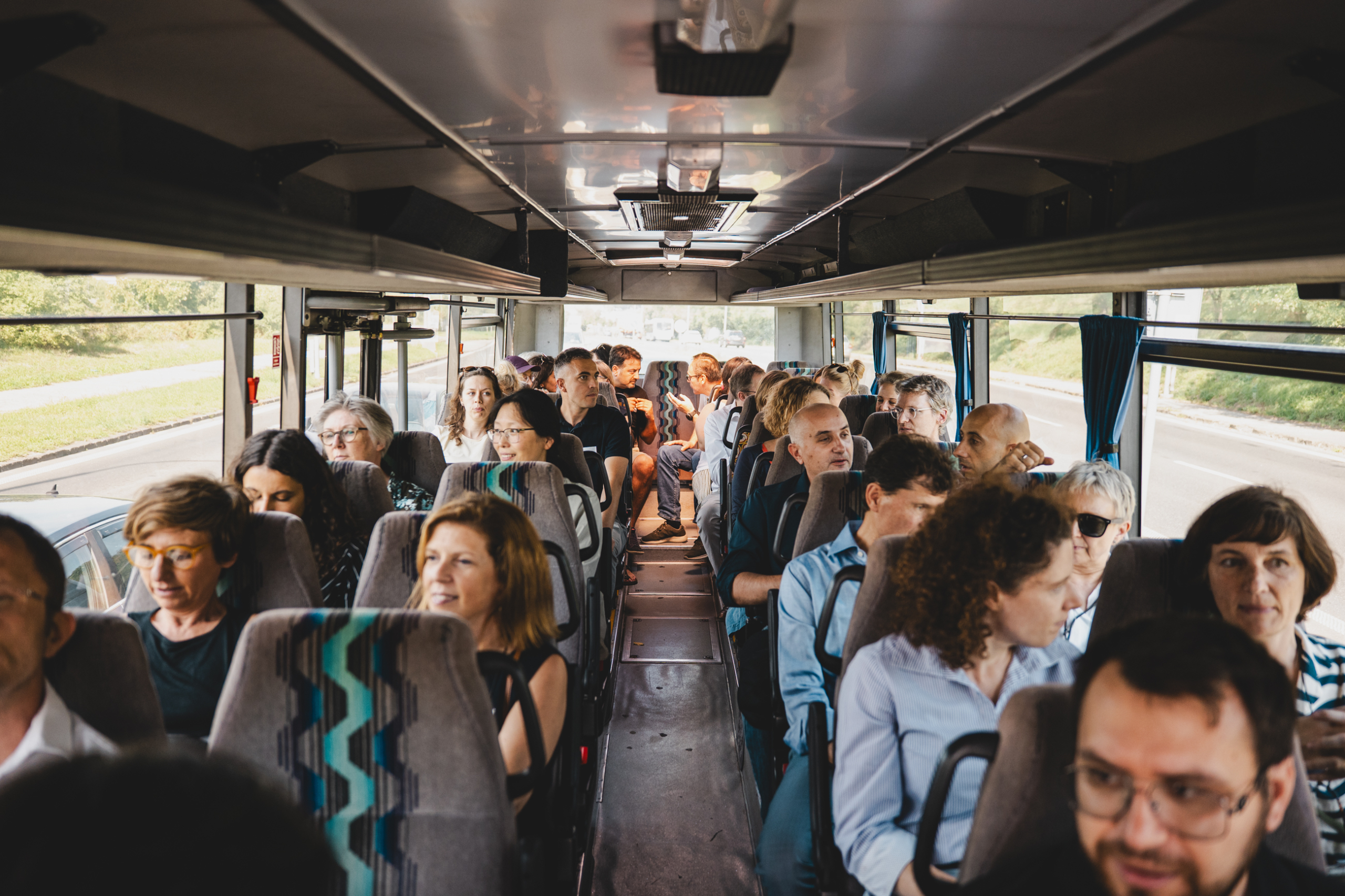
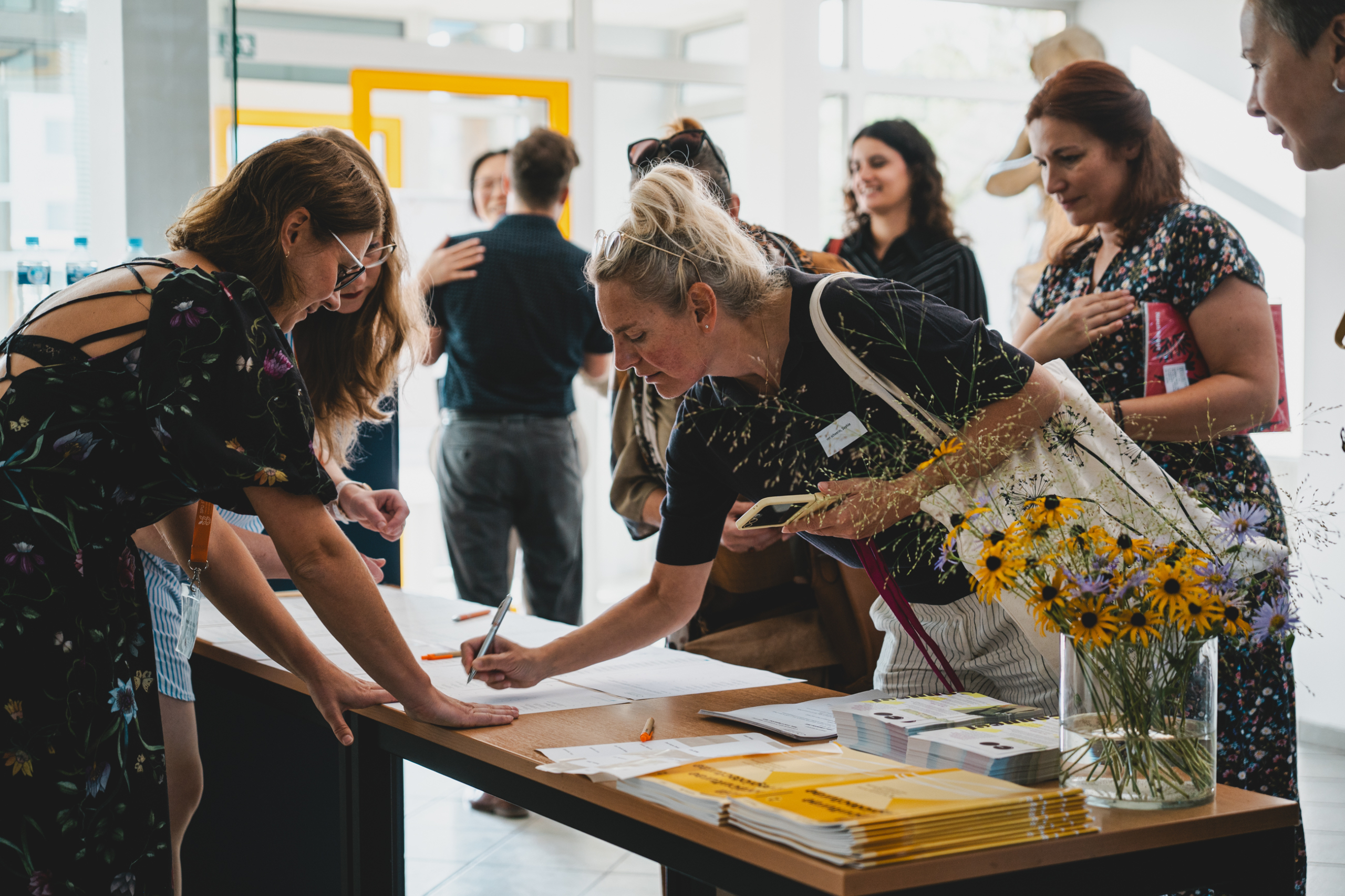
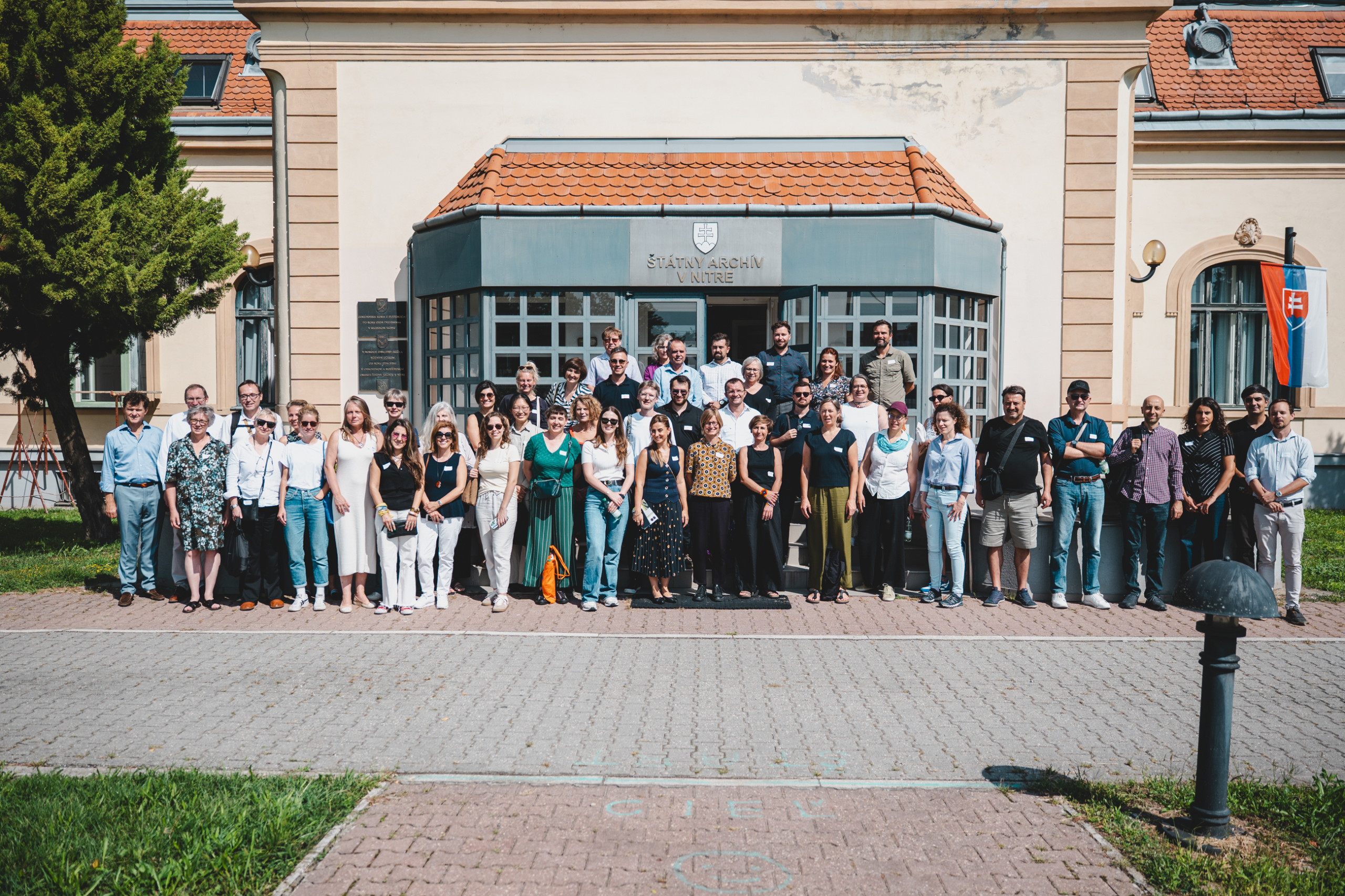
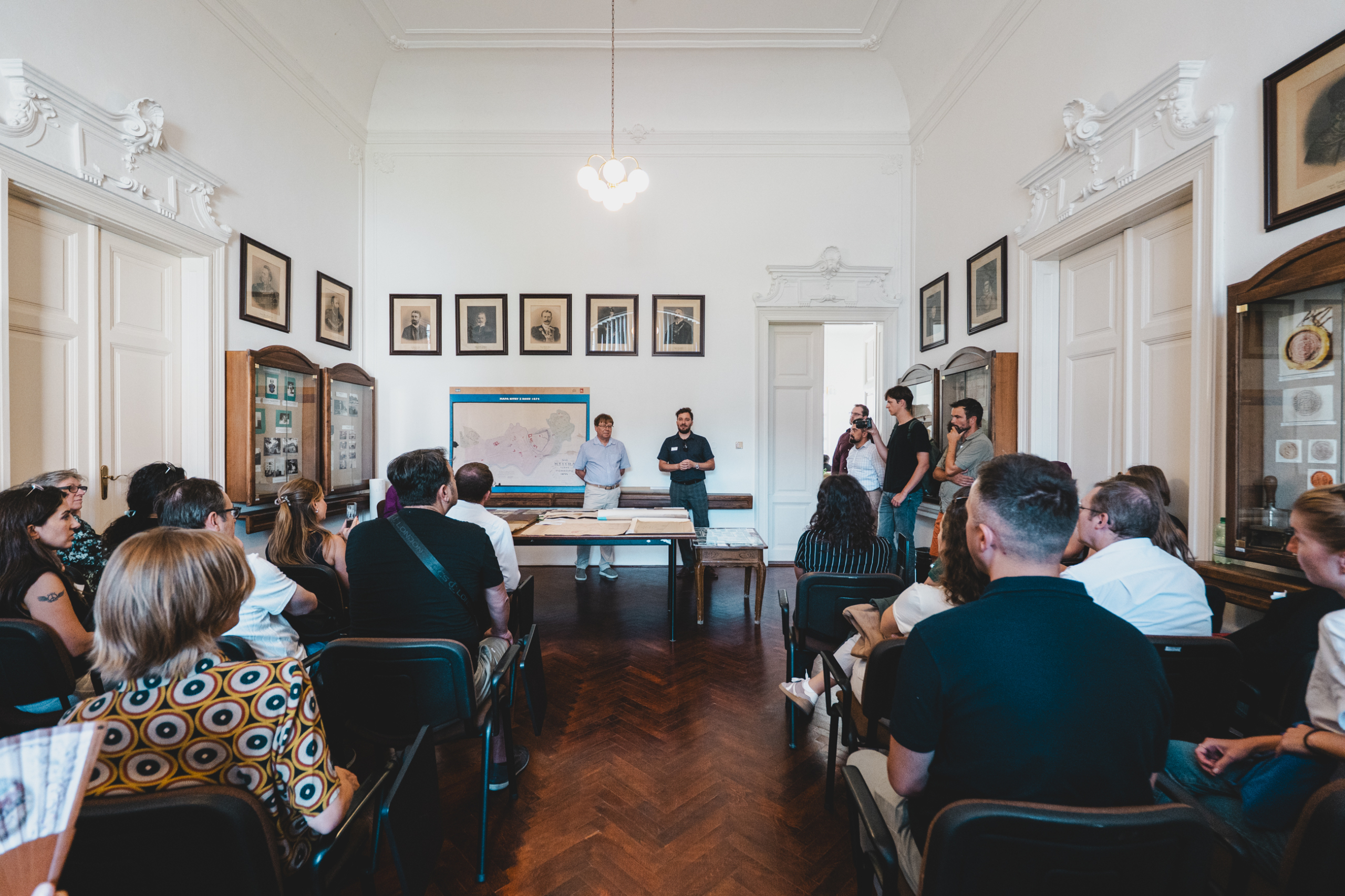
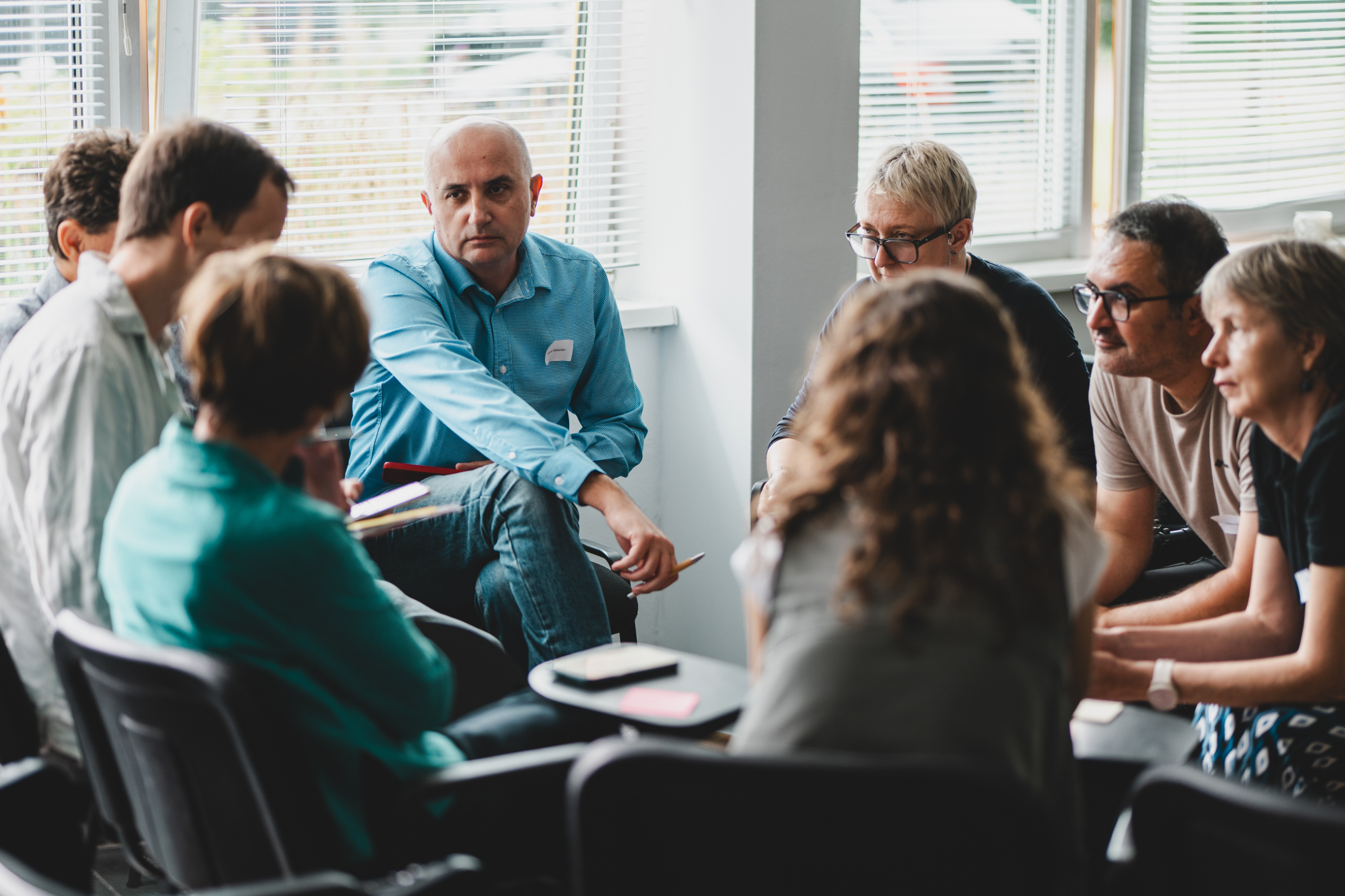
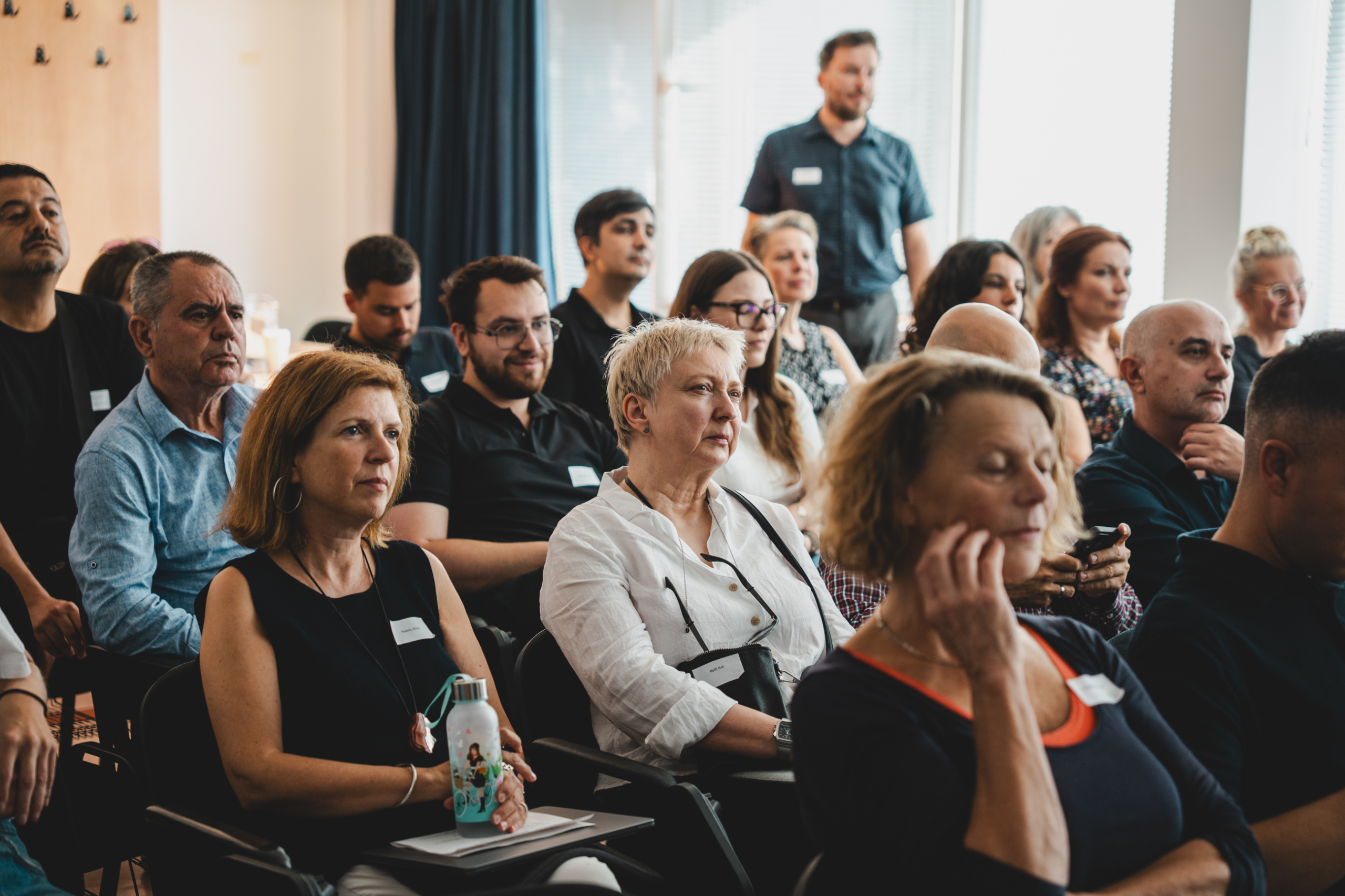
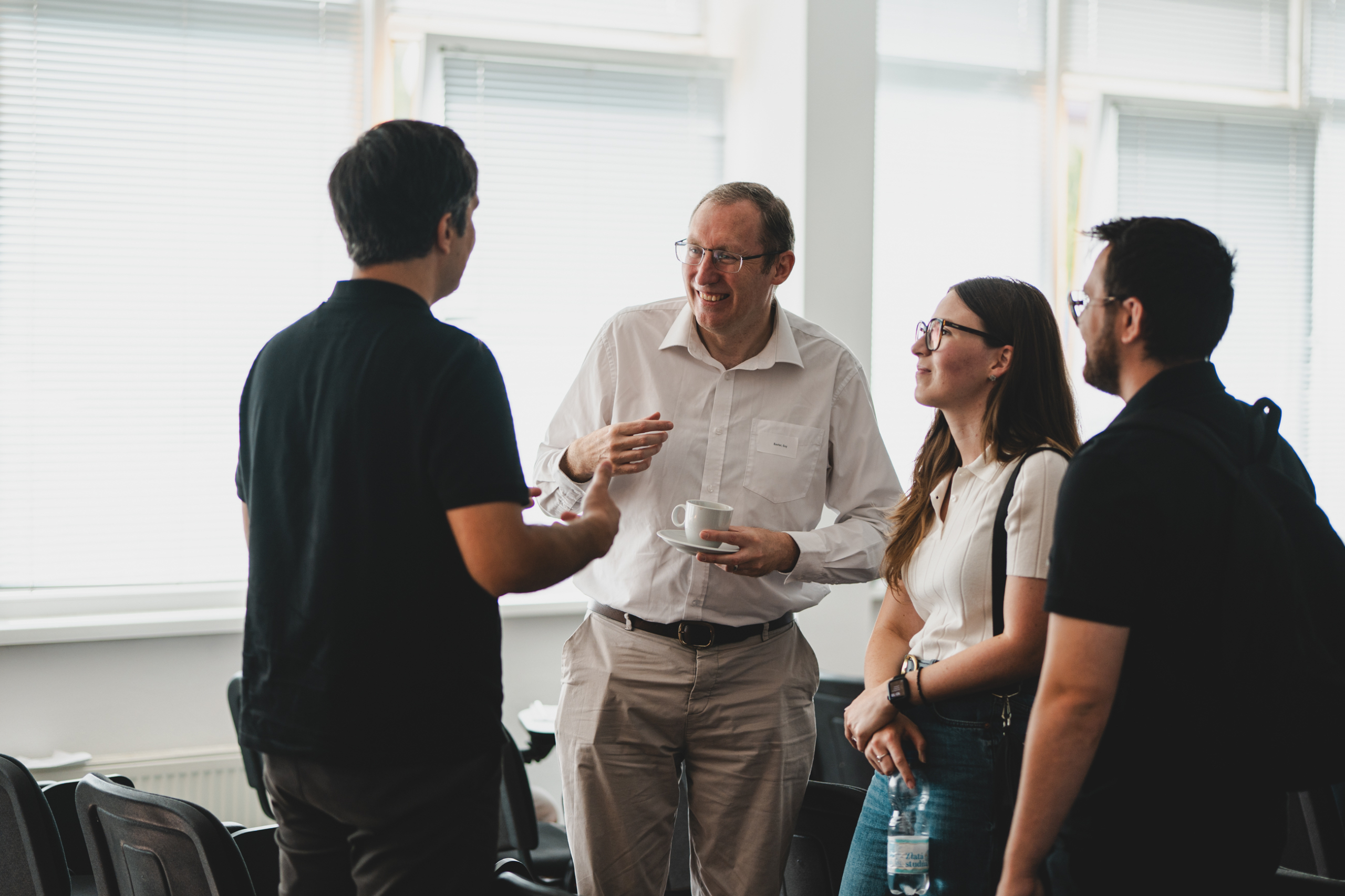
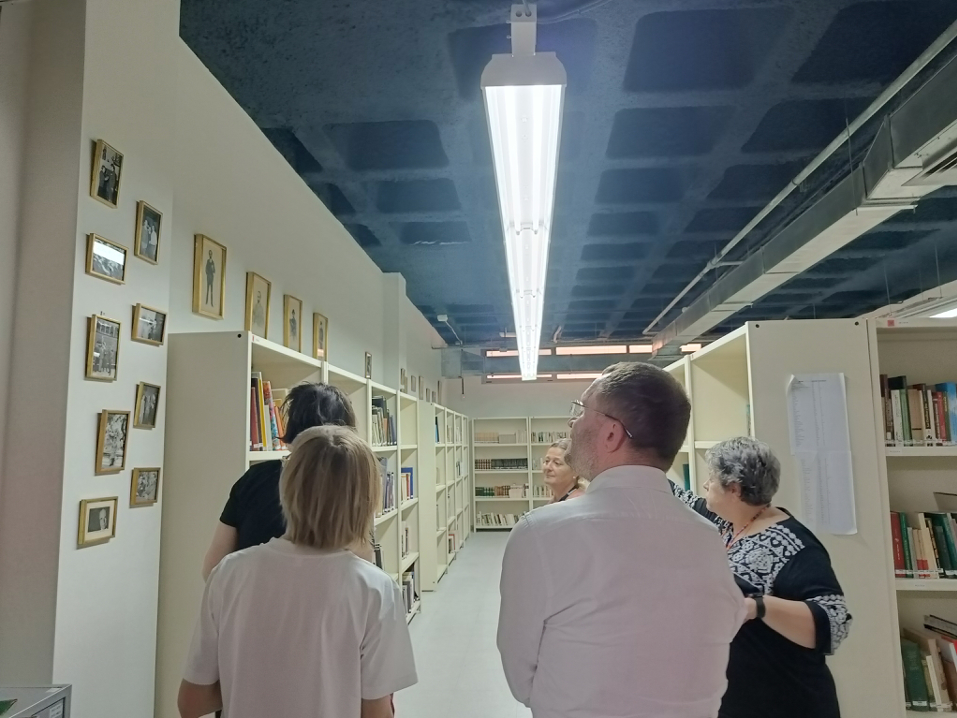
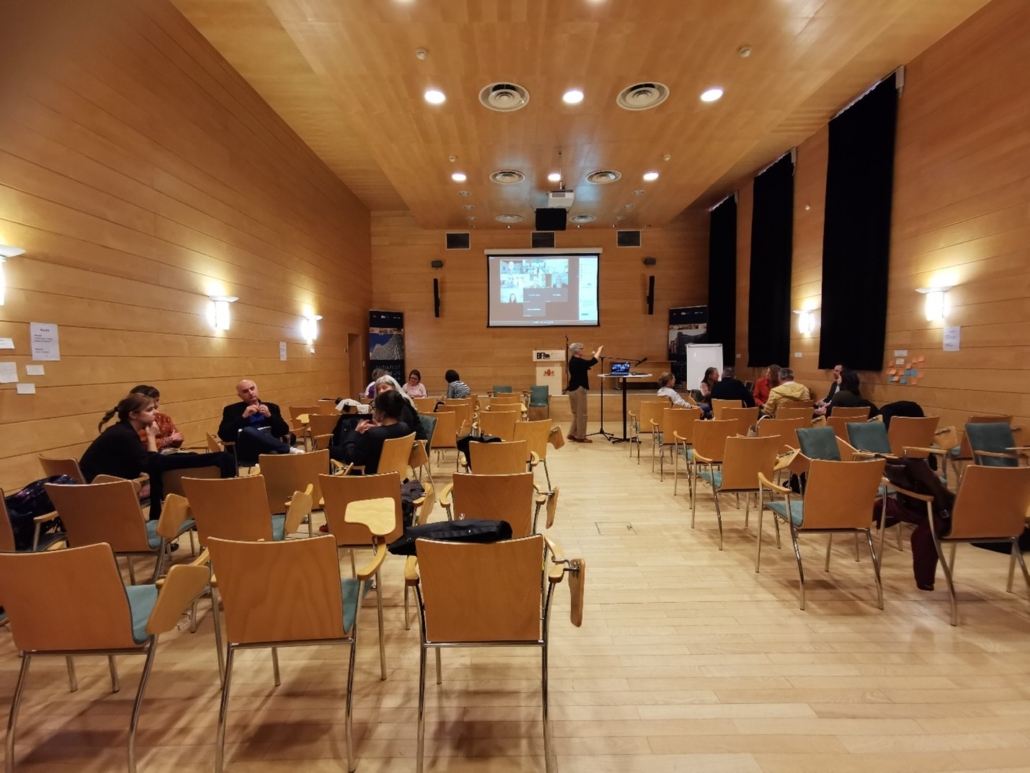
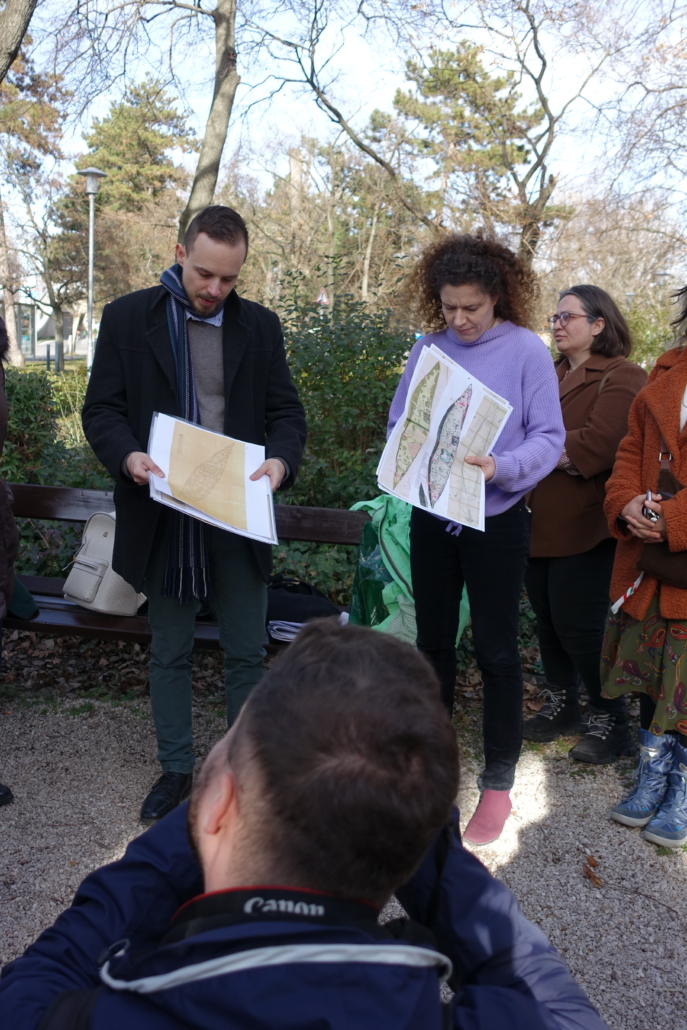
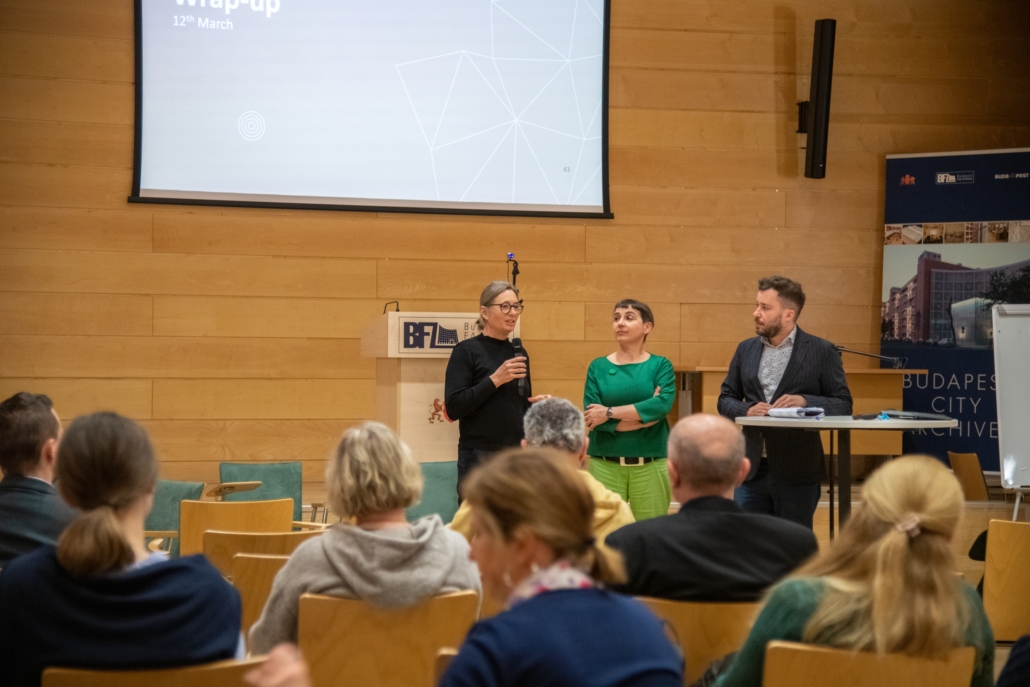
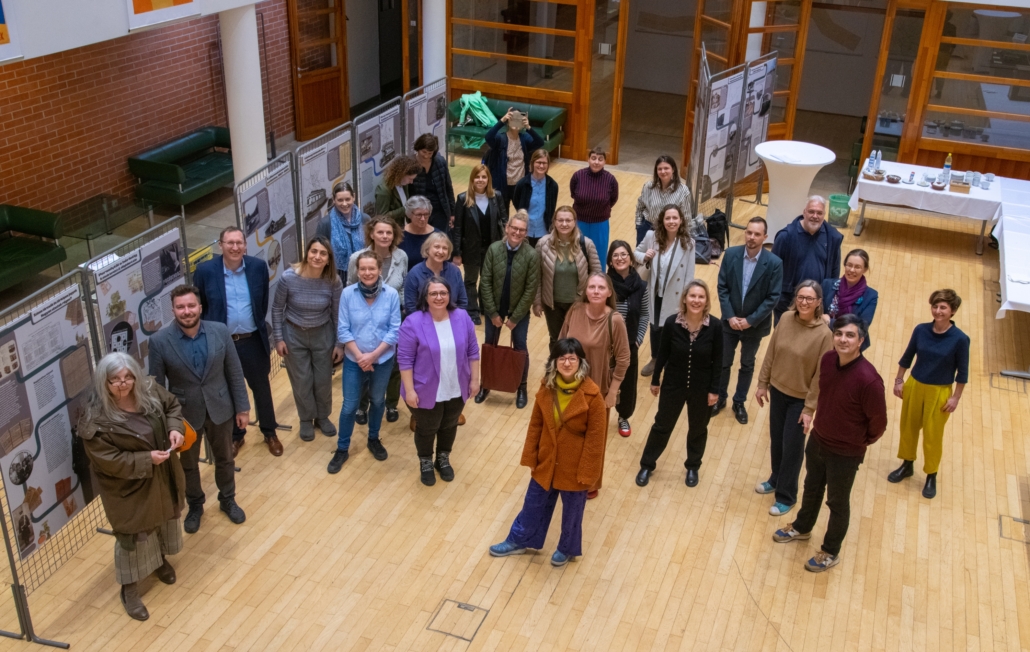
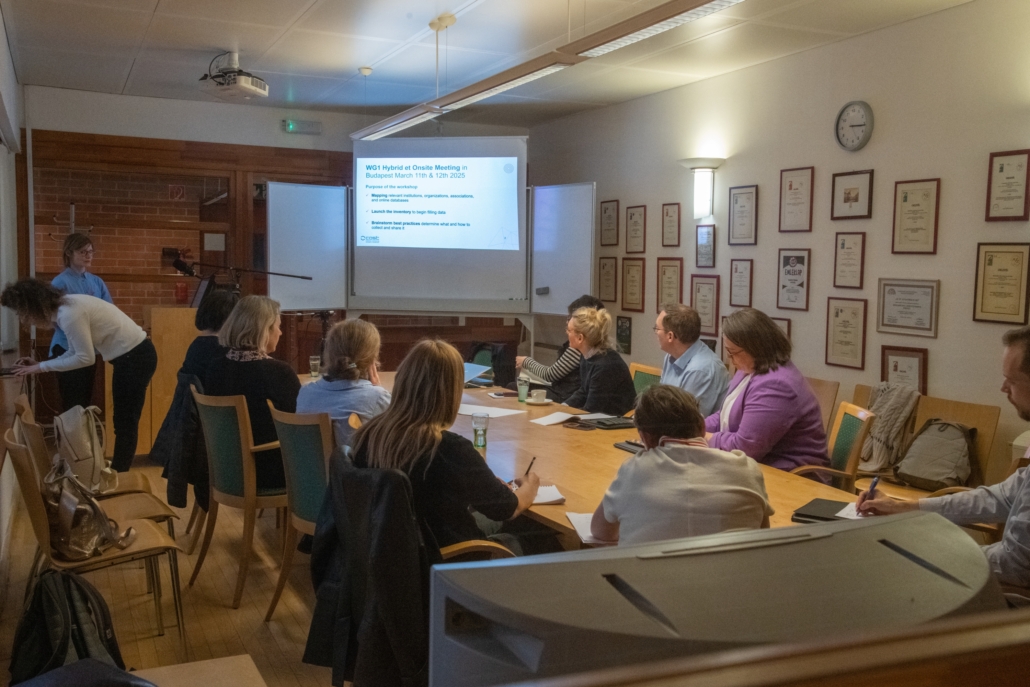
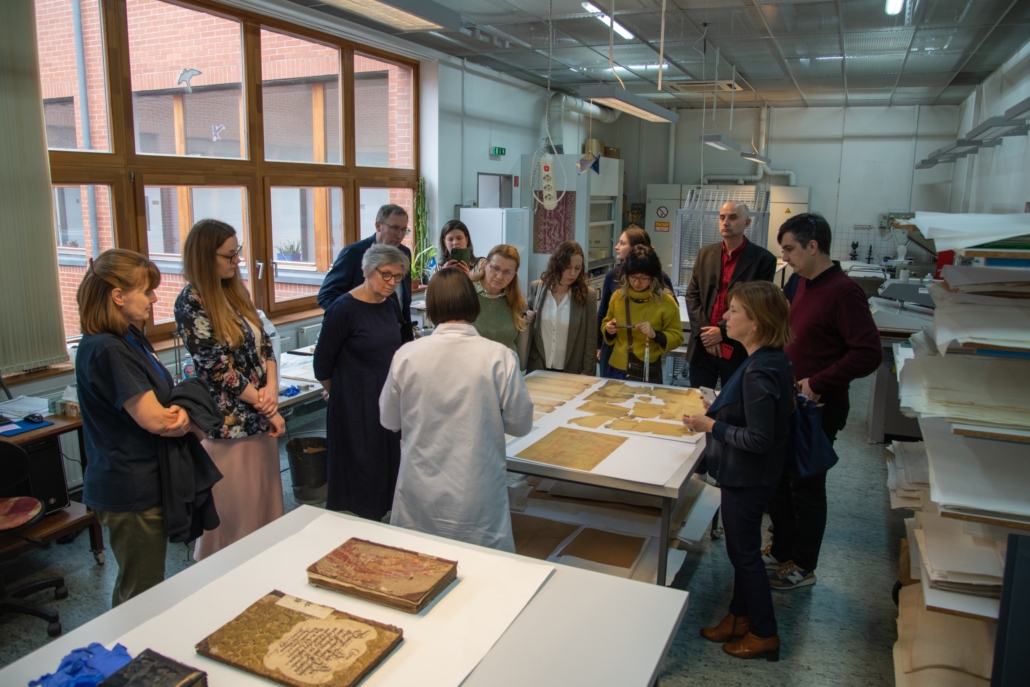
The main goals of this meeting were to develop a shared experience and vision for the entire Action, and to organize intensive working sessions led by the WGs. In addition to workshops focused solely on specific working groups, cross-working-group sessions were held. Participants assigned themselves to on-site sessions.
Workshop WG1: Transfer archival knowledge to support LA archive management and operation
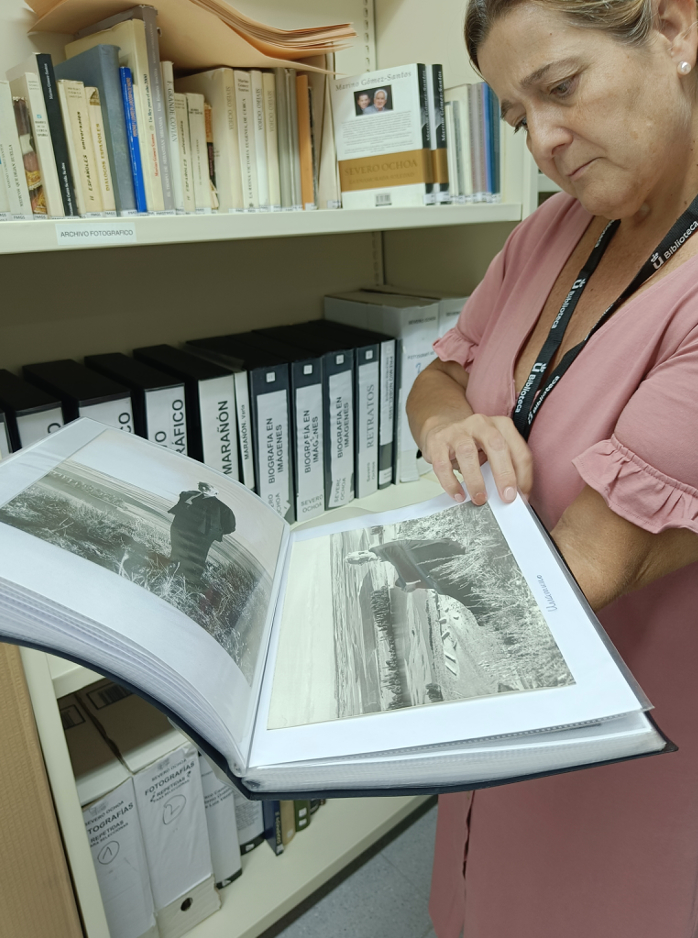
Participants discussed the programme for year two, focusing on how to build on the knowledge accumulated in the first year and how to contribute to the future manual dedicated to LA archives and stakeholders. The session also involved brainstorming ideas for the Manual of Good Practices and how STSMs and WSs can contribute solid data to this task. A new inventory sheet documenting existing archives and collections was also presented; this will serve as the basis for a future online map.
Joint workshop: WG1 and WG2
This session aimed to foster cross-group collaboration by bringing together all WG1 participants (archivists) and WG2 participants (researchers) to brainstorm potential joint activities and identify how the working groups could support one another moving forward.
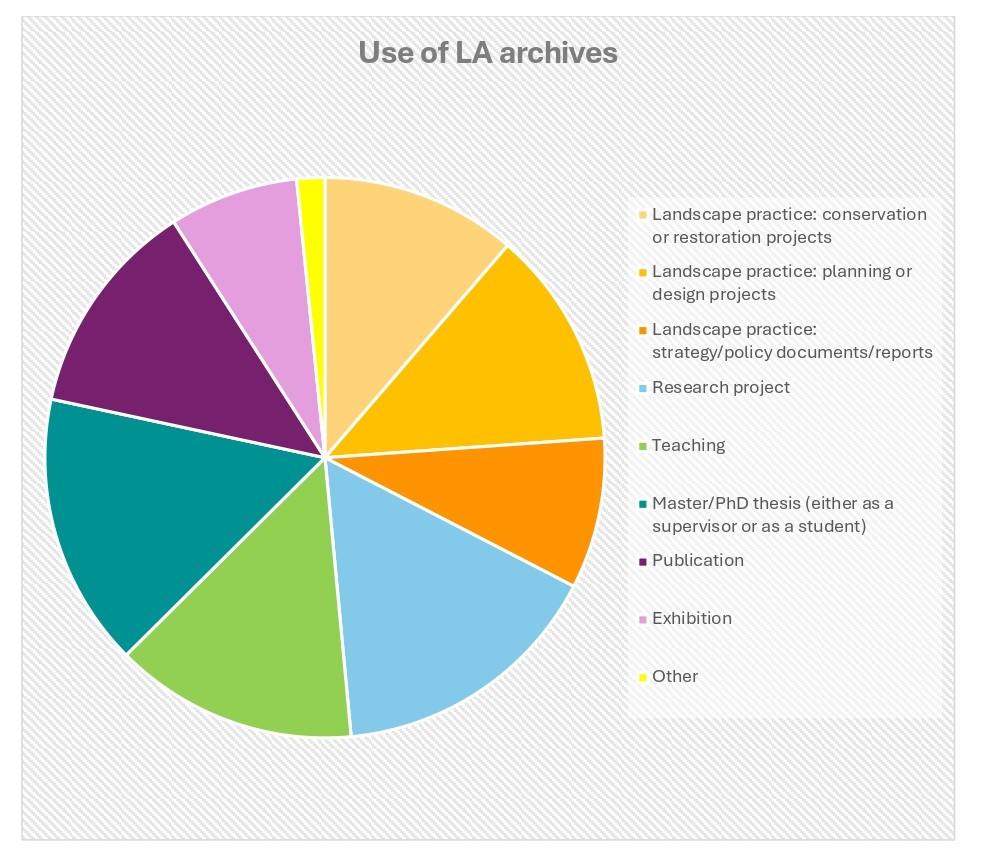
Workshop WG2: Enhance the use of LA archives for research and practice
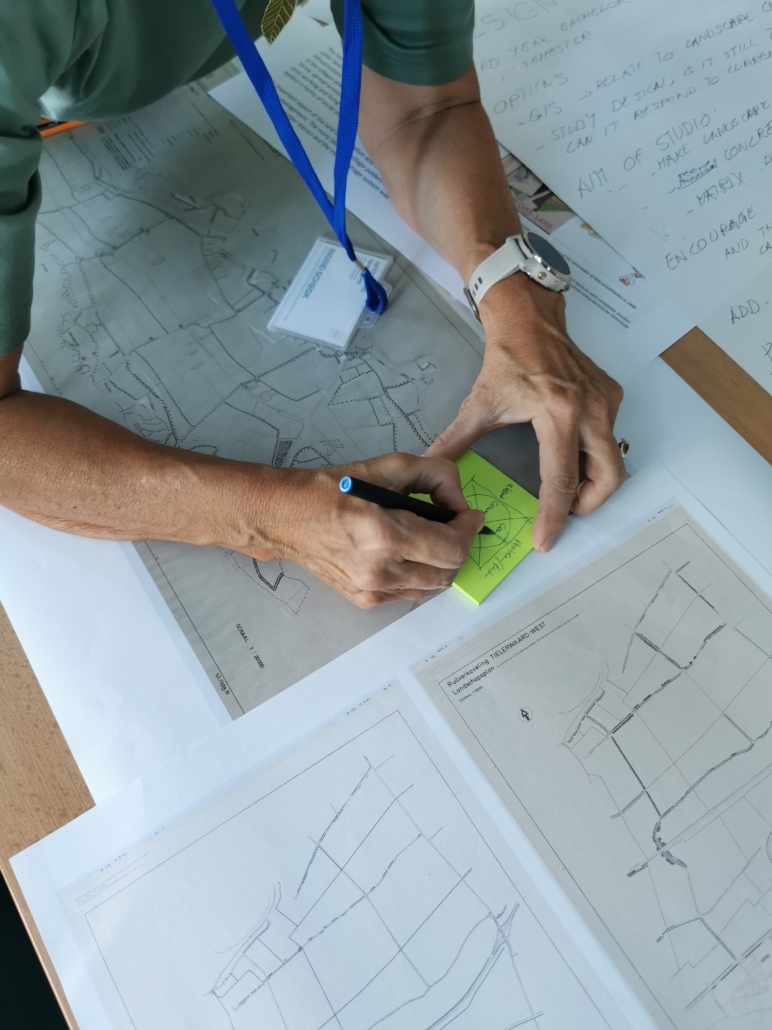
This workshop aimed to encourage the use of archives in landscape architecture (LA) practice for new designs and site renovations, and to promote interdisciplinary approaches with other fields. This would involve integrating landscape architecture/design history into architectural history dialogues and situating this within a broader historical context.
Joint workshop: WG1 + WG3
This session aimed to encourage collaboration between the groups by bringing together participants from WG1 (archivists) and WG3 (educators). The participants were asked to brainstorm potential joint activities and identify ways in which the groups could support each other in the future.
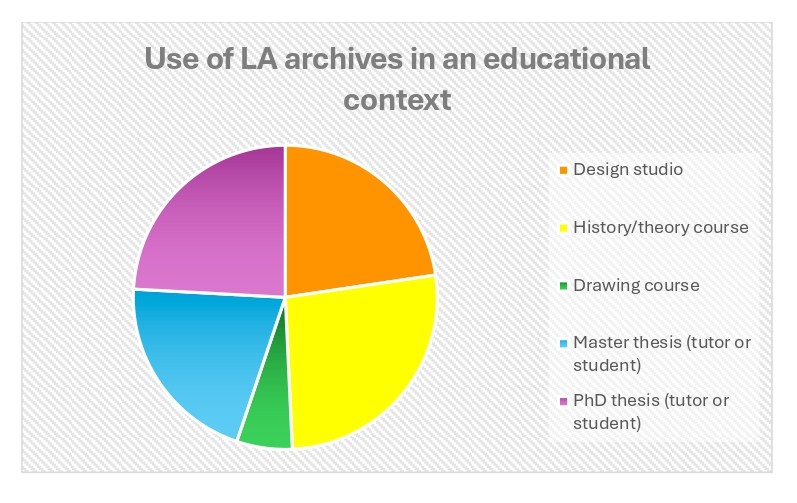
Workshop WG3: Enhance education through the use of archives
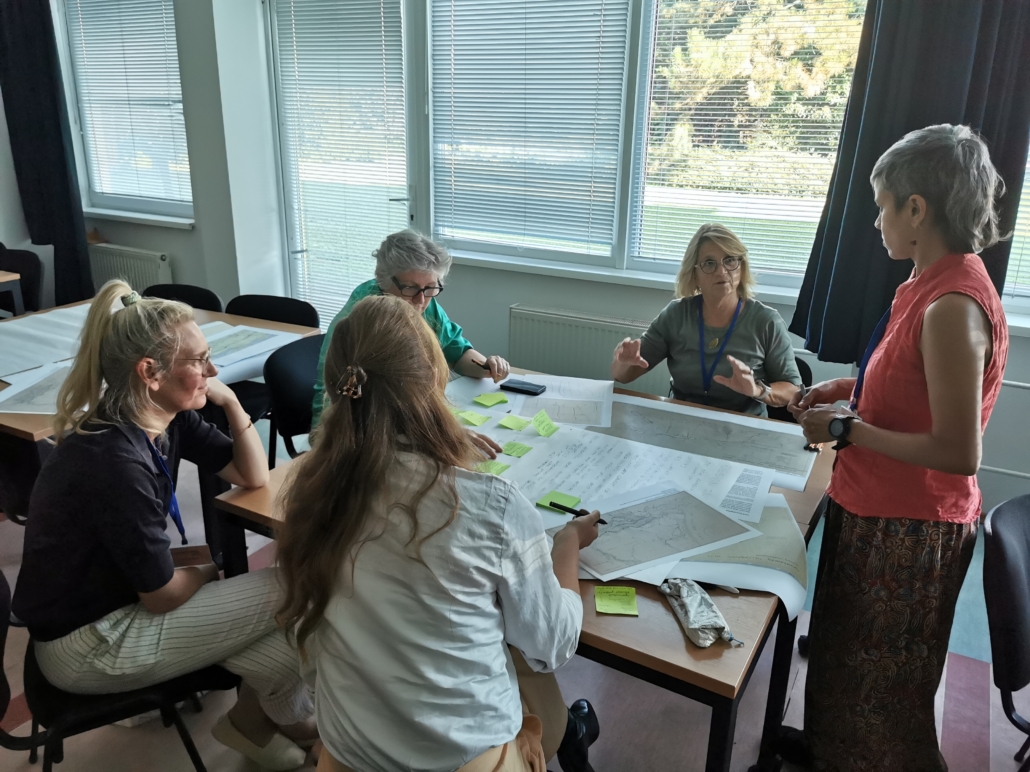
Participants discussed the following questions in small groups: 1) Discuss trends and developments in education, and 2) Discuss the relevance of teaching with archives. How do they align with your needs and wishes? The following relevant trends were discovered: Climate change, AI, digitisation, critical thinking, lifelong learning, and transdisciplinarity. Accordingly, the relevance of teaching with archives was highlighted in terms of adaptive cases, better links, doubtful reliability, the possibility of virtual archives, providing alternative perspectives, and the need to collaborate with archivists, engineers, scientists, etc.
Joint workshop: WG3 + WG4
WG4 recruited a member from WG3 to act as a communication agent, responsible for requesting information from WG3, and as a content collection manager: Sara Djordjevic. Discussions took place about how the connections between the two working groups might work (e.g. quarterly mini group meetings). The use of a Teams channel for collaboration was discussed, as well as the next deliverables and other ideas and suggestions.
Workshop WG4: Communication and dissemination
The main aim of the workshop was to raise awareness of archives and showcase their contents. To this end, connected exhibitions are planned. Various platforms were discussed, with Instagram being chosen as a possible medium.